
AI is moving from workplace tool to workplace participant. Companies are adding AI agents to daily operations while employees question whether greater productivity will protect their jobs or accelerate their replacement. At the same time, influence lists, funding announcements, and online controversies are shaping reputations without always telling the full story behind them.
In this episode, Ben Mones, founder and CEO of Fama Technologies, joins a wide-ranging conversation about the future of work, industry credibility, AI-driven layoffs, digital coworkers, and online workplace behavior. From Google employees demanding stronger protections to a Chili’s termination becoming a national culture-war story, the episode examines what happens when technology, employment, and public identity collide.
Key Takeaways
Industry lists can create legitimate recognition, credibility, and business opportunities. They can also function as marketing campaigns engineered to generate nominations, tags, backlinks, and social traffic.
The value of a list depends on how people are selected. When sponsorships, payments, popularity, or audience size influence the outcome, that relationship should be disclosed. Recognition still matters, but appearing on a list is not the same as demonstrating expertise or building a successful business.
A major funding announcement can make a startup look established before it has proven its business model. Once the attention fades, the company still needs customers, predictable revenue, sustainable growth, and a product people will continue paying for.
AI companies face another challenge because investors have not developed the same reliable pricing and valuation playbook that shaped the SaaS market. Large investments give founders more resources, but they also create larger expectations that must eventually be supported by real performance.
More than 4,500 Google employees signed a petition requesting guaranteed severance, voluntary buyouts before mandatory layoffs, an end to performance-review quotas, greater transparency, and fairer treatment during AI-driven restructuring.
Their concern goes beyond layoffs. Employees are being asked to embrace AI, improve it, and incorporate it into their work without knowing whether that effort will make them more valuable or make their positions easier to eliminate. AI adoption is unlikely to stop, but companies still have a responsibility to communicate clearly and manage the transition fairly.
Platforms such as VICTOR present AI agents as coworkers that can be onboarded, assigned responsibilities, and added to a company’s team. That framing may sound like marketing, but it reflects how some organizations are beginning to use and manage AI.
If an agent performs meaningful work, someone must control its access, evaluate its output, and accept responsibility when it makes a mistake. AI agents may not be employees, but they still create management, security, performance, and accountability issues. The ability to manage AI labor may become as important as knowing how to use an AI tool.
A former Chili’s employee said he was fired over a disagreement involving pronouns. Chili’s said he repeatedly harassed and intimidated a coworker after receiving multiple warnings.
Once the employee posted his version online, an internal termination became a national culture-war story. The issue was no longer limited to what happened inside the restaurant. It became a fight over who controlled the public narrative.
Employers must be able to separate personal beliefs from workplace conduct, document repeated behavior, and respond consistently. The internet is now an extension of the workplace when online activity affects coworkers, company culture, safety, or job performance.
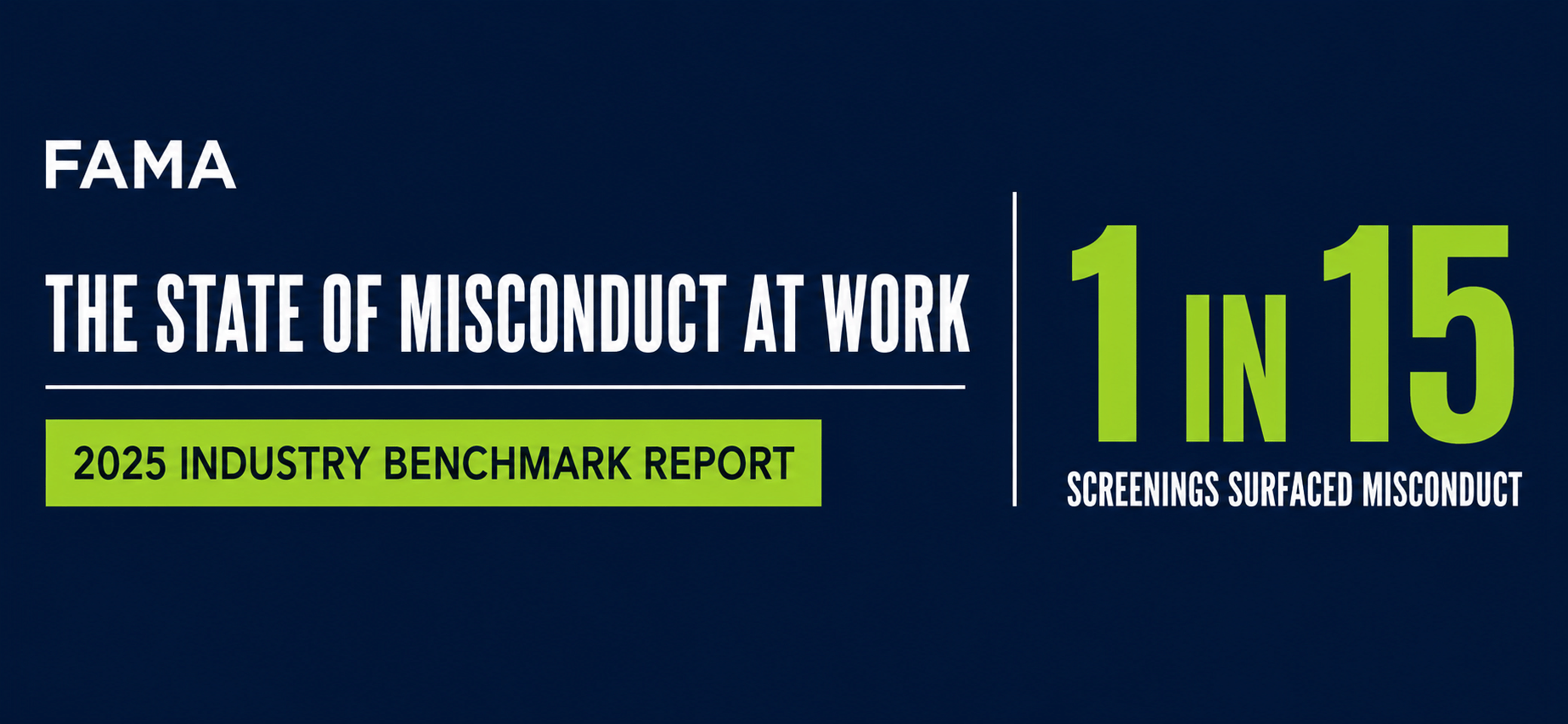
1 in 15 candidates screened showed high risk patterns of behavior such as harassment, intolerance, violence, and other forms of misconduct, a 34% increase year over year.
Online Harassment / Trolling: 37.2% of flagged behavior
Intolerance: 23.9%
Sexually explicit misconduct: 17.8%
Check out this report: https://hubs.ly/Q048xBVT0
About The Guest
Ben Mones is the founder and CEO of Fama Technologies. Fama helps employers evaluate job-related online behavior in a compliant and fair way, including potential harassment, fraud, threats, and workplace misconduct.
LinkedIn: https://www.linkedin.com/in/ben-mones-45740a2a/
About the Hosts:
William Tincup LinkedIn: https://www.linkedin.com/in/tincup/
Ryan Leary LinkedIn: https://www.linkedin.com/in/ryanleary/
WRKdefined :
Site: http://www.wrkdefined.com
TikTok: https://www.tiktok.com/@wrkdefined
LinkedIn: https://www.linkedin.com/company/wrkdefined
Facebook: https://www.facebook.com/WRKdefined/
Twitter (X): https://twitter.com/WRKdefined
Substack: https://wrkdefined.substack.com/
Powered by the WRKdefined Podcast Network.
Sponsors
