🔥 Reach more than 3.9 million VERIFIED eyes and ears each month 🔥 Learn more here

SHRM Talent 2026
Live From SHRM Talent 2026


Welcome to the official limited podcast series from SHRM Talent 2026, recorded live at the Gaylord Texan Resort & Convention Center in Grapevine, Texas. In collaboration with SHRM, WRKdefined created this 33-episode series, which captures real conversations shaping the future of hiring, recruiting, talent acquisition, HR technology, leadership, workforce planning, candidate experience, AI at work, and the evolving world of work.
Across the series, WRKdefined sat down with HR practitioners, talent leaders, consultants, analysts, creators, founders, and technology providers to explore what’s actually happening inside modern HR and recruiting teams. No corporate theater. No overproduced sound bites. Just smart people sharing practical ideas, lessons learned, industry trends, and honest perspectives from one of the largest HR and talent events in the world.
SHRM Talent brings together thousands of HR and talent acquisition professionals focused on recruiting strategy, employee experience, workforce transformation, leadership development, hiring technology, and the future of work. This limited series extends those conversations beyond the conference walls and into the hands of HR professionals everywhere.
Whether you work in HR, recruiting, talent acquisition, people operations, HR tech, staffing, leadership, learning and development, or workforce strategy, these conversations were built for you. 28 episodes. One conference. Real conversations that matter. Recorded and produced by WRKdefined in collaboration with SHRM.
AI Is Making Hiring Easier. So Why Is Everyone More Frustrated?
Applying for a job has never been easier. Finding the right candidate has never felt harder. Tina Robinson argues that recruiters and candidates are trapped in an AI arms race where both sides keep adding technology and nobody seems happier with the outcome. The real challenge isn't AI. It's figurin...
Recruiting Fraud Is Exploding. Most Companies Aren’t Ready for It
Hiring has always involved a little deception. AI turned it into a completely different game. Philippe Beucher argues that recruiters now face a challenge they’ve never seen before: candidates using AI to optimize every part of the hiring process while companies race to figure out what’s real and wh...
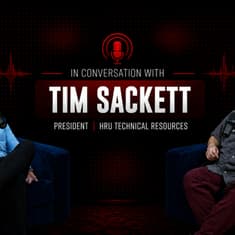
Time-to-Fill Is Broken. Nobody Knows What Great Recruiting Looks Like
Most recruiting teams are hitting their metrics and still getting told they’re failing. Tim Sackett argues that’s because the metric everyone tracks most obsessively might be the one that matters least. Faster hiring doesn’t automatically mean better hiring. The future of recruiting isn’t speed. It’...
How Employees Leave Says More About Your Culture Than How They’re Hired
Most companies spend years perfecting recruiting and almost no time thinking about offboarding. Sarah Rodehorst argues that’s a massive mistake. The way employees leave a company can strengthen your employer brand or quietly destroy it from the inside out. Culture isn’t measured during the good time...
Your One-on-Ones Are Failing Because You Keep Asking the Wrong Question
“How’s it going?” might be the most expensive question managers ask. Joe Rotella argues that vague conversations create vague performance. Employees leave one-on-ones frustrated, managers leave without clarity, and nothing actually moves forward. The problem isn’t performance reviews. It’s everythin...
Your Employees Are Telling You Why They Stay. Are You Listening?
Most leaders spend more time asking why employees leave than why they stay. Njsane Courtney argues that’s backwards. The answers companies need are already sitting inside the organization. They just aren’t asking the right questions often enough. Retention isn’t a compensation problem as often as le...
The Best Candidates Aren’t Always the Most Qualified on Paper
Resumes have never been perfect. AI just made the problem harder to ignore. Philip Nash argues that companies are spending too much time chasing credentials and not enough time evaluating character, coachability, and the human skills that actually drive long-term success. The future of hiring may be...
Your Leadership Playbook Expired 20 Years Ago
Too many leaders are managing a 2026 workforce with lessons they learned in 2006. Krishna Powell argues that the biggest leadership challenge today isn’t attracting talent. It’s understanding, developing, and deploying the talent you already have before it walks out the door. The workforce changed. ...
You’re Hiring for Skills. The Best Companies Hire for Potential
Most organizations are still measuring the wrong things. They hire for today’s job description while the role changes six months later. Art Jackson argues the companies winning the talent game aren’t looking for perfect resumes. They’re identifying the people who can adapt, learn, lead, and grow int...
Everyone’s Talking About AI. Almost Nobody Knows What Adoption Actually Means
Ask ten HR leaders about AI adoption and you’ll get ten different answers. Cole Napper argues that most AI conversations are broken because people are talking about completely different things. Personal AI tools. Vendor AI features. Enterprise AI systems. Same words. Different realities. The gap isn...