
What’s really driving teacher turnover in early education?
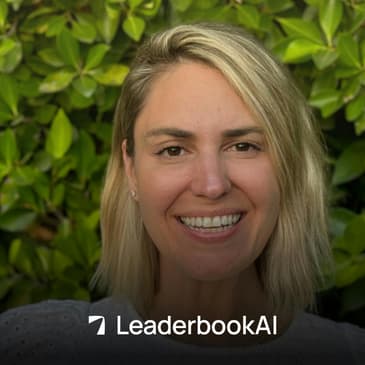
Jen Shpall, Director of Piper Preschool, reveals why burnout—not just pay—pushes educators out. This episode explores leadership accountability, system-level decision making, and how smarter business process automation and AI automation can reduce administrative strain while preserving human-centered leadership.
—
Subscribe to the LeaderbookAI Podcast (formerly CPO PLAYBOOK): https://leaderbook.ai/podcast
Want to create 10x the value of your business or investments? Let’s talk: https://leaderbook.ai/contact
Powered by the WRKdefined Podcast Network.
[00:00:00] I'm Felicia Shakiba, and this is CPO PLAYBOOK, where we solve a business challenge in every episode. According to chalkbeat.org, teacher turnover is reaching unprecedented levels across the U.S. Their research indicates that turnover has surged post-pandemic.
[00:00:26] For example, in Austin, Texas, turnover increased from 17% to 24%, particularly in early education. A study by the Washington D.C. office, U.S., the Department of Health and Human Services found that centers serving children from birth to five years old experienced higher turnover rates
[00:00:48] compared to those serving only ages 3 to 5. The reasons behind this increase are varied. Some educators point to an increased workload, others cite challenging student behavior and some struggle with large class sizes, which can range from 25 to 30 students.
[00:01:06] In this interview, I speak with Jen Shpall, director of a well-known Los Angeles preschool, Piper Preschool. Shpall is an expert in educational leadership here to share her strategies for retaining top talent in education. Jen, thank you so much for being here. Of course, thank you for having me.
[00:01:30] Can you tell us about your journey into early childhood education and your role at Piper Preschool? So it all started when I was a senior in college studying for the LSAT. I decided to take a part-time job at the Child Development Center on campus,
[00:01:48] and I just fell in love with it. It changed the course of my life. I decided to skip law school and chose to get my master's in teaching instead. After that, I came home to Los Angeles where I was born and raised
[00:02:02] and began working as a teacher at Chalk Preschools. I worked my way from teacher into administration. I had a really strong focus on curriculum and then started to help them open new schools. I was given this incredible opportunity to move to New York
[00:02:18] and open a preschool in Brooklyn on the border between Cobble Hill and Brooklyn Heights. That experience taught me so much about the challenges of building a community and a new place. And then all of a sudden, the pandemic hit
[00:02:32] and I decided it made most sense for me to come home to LA to be close to my friends and family, which brings us to Piper. Once I met with the team at Piper and specifically our incredible founder Crystal Free,
[00:02:44] I knew I was home. Her vision and outlook truly inspired me. So now I am currently the director of their flagship school in Santa Monica on the west side of Los Angeles, where I oversee the day-to-day of running the school.
[00:02:58] And together with my amazing team, we just have built this incredible community together, both of parents and children alike. We have a drop off program for children as young as 18 months all the way to pre-K. But honestly, that journey at Piper can start before then.
[00:03:13] I always hear from parents, oh, I had a baby and my social life disappeared. I can't go out at night. We've lost our friends. And so coming to Piper, you find that again. You get to as an adult meet other people going through that same stage of life
[00:03:28] and then your kids get to have an incredible education. So you've had extensive experience in the early education world. And so with this experience, what are the greatest challenges that you've faced in retaining quality teachers and early childhood education? I'm really glad we're talking about this issue.
[00:03:53] Turnover in early childhood is a systemic problem, but it's faced by all types of programs from preschools to daycares to infant centers. There's several factors of why this is. I think we can all agree that as a whole educators are vastly underpaid
[00:04:09] for the important work that they do. And early childhood educators are typically at the lower echelon of that list. For starters, there's not a union representing them or collectively advocating for them. Secondly, in most states, the requirements to be an early childhood teacher are quite low,
[00:04:26] which by the way has nothing to do with the amount of education they have. Most of them go over and beyond what's required, but the requirements are quite low. And also there's a very high burnout rate, which is understandable
[00:04:40] when you think about the hours many of these teachers work with very young children. So when you start with relatively low pay and a difficult job, you find that keeping excellent teachers is hard to do. And that has an incredible effect not just on the children,
[00:04:56] but the parents, the staff, and so forth. And so that is impactful. Keeping consistency is key for children of that age. And also for the families who are trusting the school with their most precious, valuable item, their children, it's hard to see that kind of change happening.
[00:05:16] So do you feel like the pandemic affected teacher retention or recruitment? Yeah, the pandemic had a huge impact on retention and recruitment in all fields of education, but particularly in early childhood. The strain put on schools during that time was immense.
[00:05:34] We had to make a quick pivot to distance learning. We all had to join Zoom, but can you imagine trying to teach 20 two-year-olds over Zoom and keep them learning and entertained? It's nearly impossible. And then also early childhood centers were considered essential businesses.
[00:05:51] So they were one of the first to open up at the height of the pandemic before elementary schools, before high schools, before colleges. It was these early childhood centers that were opening up. And the stress on educators to keep their children safe,
[00:06:05] to keep their own family safe that they were going home to at night, to keep themselves safe weighed very heavy on them. And it was a huge point of pride to these educators to be able to provide children a space for socialization
[00:06:19] and learning during this extremely important key point in their development. But it really took a toll on them every day. As you can imagine, there was a huge percentage of burnout during that time. Many teachers left the field of education forever. And honestly, many administrators did as well.
[00:06:36] There was huge turnover at every stage of the early education world. So just to be clear, this is not a Piper preschool problem. This is a problem across many, many schools and particularly for young children. Absolutely. This is a huge problem in industry-wide problem in early childhood education.
[00:07:01] I think that being at Piper, it allows me to use as many tools as I can to try to write that ship, whereas other schools probably are much more limited and what they can do to change it. This is an industry-wide problem for early childhood education. Absolutely.
[00:07:18] So what are some of the strategies that you think are helping keep great teachers at Piper? So this is a very big question. Bear with me. I think about it in a number of different ways. And let me highlight a few of them.
[00:07:34] At Piper specifically, we always think outside the box and we don't do anything like a typical preschool. And while that goes for the experience of our families, it also carries over into the experience of our staff.
[00:07:45] So first, our strategy simply starts with being at the top of the industry with paying benefits as we're one of the first independent schools to offer our teachers a 401k. Second, in addressing the burnout problem,
[00:07:58] we aim to create a supportive work environment with lots of help in place for teachers and a school calendar that balances the needs of families with a time off required to have happy, healthy, rested teachers.
[00:08:13] Third, we spend a lot of time thinking about how to build community for our teachers. We find that building connection is essential for gaining buy-in and feeling like part of the team. And we do this in a number of ways.
[00:08:26] At the beginning of the school year before the kids even arrive, we conduct what we call Piper University. This is a time for team building and for professional development. Teachers have an opportunity to learn from experts in different related fields
[00:08:41] because we believe that continuing education is very important and providing an in-house is a huge draw for recruitment. Another part of building that community is spending time together. At Piper, we love a party. Each of our schools has a community coordinator who's focused on fundraising
[00:09:00] and throwing events for families, but also for creating a fun atmosphere for our staff. So this past school year, we had a luau for staff. We had a 90s party, which honestly so many of the teachers hadn't been born.
[00:09:14] It was so embarrassing to have to explain to them what the fashion was or what the music was or what we like brought out in gushers and bagel bites. And they were just like, what is all this? These are 90 snacks. We even had a Bridgerton theme party.
[00:09:27] But the point of all this is creating opportunities for colleagues to let their hair down and spend some quality time together. I think there's nothing better than a group of colleagues laughing and enjoying each other's company when their day is done.
[00:09:42] Fourth, we aim to treat their job like the craft that it is. At most early childhood centers, the staff essentially arrives when the kids do and leave when the kids do. That's not only exhausting, but it gives little time for thoughtfulness and preparation.
[00:09:57] A piper, we value providing teachers with the time they need to do their job well. So the majority of our teachers have an hour in the morning and two hours in the afternoon without children to prepare their lessons, to work on curriculum, to speak with parents
[00:10:12] and to meet with me and other teams to discuss where their class is now and where they're headed. And finally, I'd be remiss if I didn't include our parents in this conversation and all that they do for our staff. The gratitude for the care of the teacher show
[00:10:26] in teaching their children is palpable. Whether it's covering the teachers' doors with love notes or signing up to provide lunch every Tuesday for our staff or the epic Teacher Appreciation Week, our community chair and culture committee puts together every year.
[00:10:40] Ultimately, all we want is for our teachers to know how loved and appreciated they are for the work that they do. There's definitely a lot it seems like we can be doing for our teachers. When you are bringing new families into the fold at Piper,
[00:10:57] is there some sort of criteria that you look for in order to be part of this community? Or does everyone find out when they get there? No, I think even on our tours of our school, we talk about this community.
[00:11:12] We have this incredible room called the Community Room and it is strictly for parents and teachers. We want you to come and drop your child off and then stay. We don't want you to leave as, you know, run off to go do something else.
[00:11:26] Stay at school, bring your laptop, make yourself a coffee, have a snack on us, get your laptop off, hang out, take a zoom, meet with other parents, just relax. The idea is that we want families who want to be there and want to be involved within our community.
[00:11:44] So that's something that we talk about from the very beginning. If you want to be a part of this, we would love to have you. But it really is a community and there is a lot expected of everybody involved. When you interview teachers, what did they ask for?
[00:12:00] What are their expectations? What's important to them to select the next school that they're going to work at? They want to be treated like professionals. They are so passionate about what they do. They could only do this incredibly taxing job because they love it.
[00:12:17] And they want to feel that level of appreciation from the school, from the families. And that's what we're ultimately aiming to do is to create an environment where they are the rock stars. Without our teachers, we couldn't have such an incredible school.
[00:12:33] And so they want to feel valued and honored and appreciated. You talk a lot about creating a supportive work environment that really encourages the teachers to stay long term.
[00:12:45] So I know we've touched a little bit on it already, but what does that mean or look like at Piper? Walk me through what is that typical day or what's that perception that you want each teacher to walk away with?
[00:12:59] So for us, a supportive work environment means that teachers are never in it alone. You have a classroom team, so you have your lead and your associate. And then each age group is made up of several teams.
[00:13:13] So we have a division. That's what we call our age groups. They are poppies, Johnny's, Ruby's and Bluebells. They're all flowers. But there's three or four groups of teams within each division that work together, that write curriculum together that support each other.
[00:13:29] Then we have what we call a teacher mentor. And our teacher mentor is somebody who's incredibly well respected amongst our staff. And their job is to support, to work on curriculum, to help with a tricky situation that might have come up and think through options,
[00:13:47] to sit and observe in the classroom and just make sure everything is flowing the way that we do want it to. And then there's my team and myself who are always there, whether it's sitting on a difficult phone call or ironing out team dynamics
[00:14:04] or bringing my puppy Tallulah into the class to make everybody smile and giddy for the day. We're all here to help each other. We're all in it together and help and support are never far away. I love this invisible organization that you have.
[00:14:22] I think it's so incredibly important because working with young children, they are not always going to have a smooth day. They're are going to have big feelings and big emotions. And we can only do so much as adults.
[00:14:37] We can only take in so much for human too, right? And so obviously you have the support for the children, but then there's an extra layer of support and multiple layers, I think of support for the teachers and then there's support for the parents.
[00:14:53] And I think that together it sounds like that is the community that you've built at Piper. Yeah, absolutely. I'm really glad that you mentioned the piece for the parents too because as much as we're here, I'm here to support our teachers.
[00:15:07] We're also here to support the parents and they meet regularly with the teachers and have regular phone calls and build connection with the teachers because trust is what it's all about. It's so important for our families to trust our staff and vice versa
[00:15:23] because like you said, things come up all the time with these young hearts and young brains and development is asynchronic and will change over time. And we're here on the journey with you every step of the way. And yeah, it's a real community.
[00:15:37] When you share your strategy around professional development, this could mean a lot of different things. So what has worked best that you've seen and has made a difference and what is on the horizon? Professional development is key to continuing to learn and grow in this craft.
[00:15:56] It's an amazing resource for our teachers and a great recruiting tool. And because of this, it's a main area that we fundraise for. I spoke about Piper U already, but it's the main time of year that we provide professional development.
[00:16:10] But we also scatter it throughout the school year. We weave these special days into the calendar and provide workshops for our teachers to learn from and continue to grow. It's summer right now, so I'm currently working on preparing our Piper U schedule for the next school year.
[00:16:25] And one example of someone that I'm bringing in is this incredible pair of educators from New York, and they're coming to talk to our teachers about creating classroom values through setting kind intentions. So they use big themes and then break them down into age-appropriate concepts.
[00:16:41] For example, the idea of integrity. The way that they explain it is that it's doing the right thing even when no one is watching or generosity, giving and expecting nothing in return. It's these big ideas broken down into a way that's totally age-appropriate
[00:16:57] that helps provide important tools for social emotional growth which will help them in the classroom setting, but it'll help them far beyond that and for years to come. So this is an example of professional development focused on outside experts coming into our school, which is incredibly wonderful.
[00:17:14] I don't ever want to overlook the expertise we have right in our own building and elevate those teachers. So this year I've spoken with four of our current lead teachers and they will be doing workshops for their own colleagues
[00:17:27] on topics that I view them that they view themselves as being experts and leaders in their fields from diapering to playground supervision to the introduction of materials to creating interesting and engaging learning provocations. I'm very excited about this year's Piper U. I'm excited for you. That sounds amazing.
[00:17:49] I think that if we can look at those values and break them down into how they get woven into day-to-day life at the school but also having a connection to the teachers, obviously, and making sure that those teachers embody those values in some way,
[00:18:05] I can really see how that might translate to the learning of not just the students but also refreshers for the parents. Parents are continuously learning, I think, in this stage of their lives with young kids and we often have to remind ourselves
[00:18:22] of what those values are in moments that might be overwhelming and stressful and so you can never really get enough, I think, of those things and so to weave them through the curriculum for the teachers I think is so powerful and a great place to integrate
[00:18:38] so the parents as customers of the school, if you will, can really feel that emulating from the strategy or the values that the school has encompassing as a whole. Yeah, I think especially in the social-emotional front most of us didn't have that kind of learning at school
[00:18:55] it's much more of an emphasis in these modern times and so I absolutely think that parents are learning alongside their children especially with the language. We use a very specific, we call it our Piper language in talks about calming your body or giving space
[00:19:10] or we don't talk about sharing, we talk about taking turns instead of sharing and all of a sudden you start hearing these parents using the same language because that's the language their children and from the teachers are using and it becomes such a beautiful shared language
[00:19:25] that we all have at Piper. That's beautiful. Can you share a success story of how you've retained a valuable teacher who might have otherwise left? Sure, let's say a teacher is looking for growth opportunities my preference is always to promote from within
[00:19:43] so I like to think of Piper as a teaching hospital so if we have a very green new teacher who potentially is looking elsewhere I might think that they need more experience to gain so we'll sit down and talk about the different leads in the building
[00:19:56] and who they can learn under and learn from to really round out their skill set and continue to learn and grow or if there's an associate in my building who I've had my eye on for a while who I know has so much potential
[00:20:10] maybe it's time to talk about a lead position and I will help them to advance their career into that next step of being a lead and having their own team of associates and their own classroom to run in parents to work with
[00:20:23] or maybe it's a very experienced teacher who's ready to take on a new challenge and I'll help them discover a new role whether it's our teacher mentor role or more specifically this year, this coming school year I've promoted a much beloved teacher onto my admin team
[00:20:39] which is going to be so exciting to announce to our community I know they're all going to be thrilled to watch her grow So what advice would you give to other schools struggling with teacher turnover? And obviously Piper is a fantastic school
[00:20:55] and it sounds like you have done a lot to raise funds in order to have a lot of these events not all schools have that opportunity so what advice can we give to other schools or other administrators? First, understand that it's not personal
[00:21:13] and to be honest with you that's a huge lesson that I had to learn I took every loss so personally but understand it's not personal this is an industry-wide struggle and while you might be so incredibly devoted to your community not everyone will be
[00:21:28] and to expect there's going to be a certain amount of turnover every year. Remember children and families are resilient and it's about the experience they're having at your school as a whole, not about any one teacher but with that being said, invest in your teachers
[00:21:43] show them that you care it can't always be about the family's experience you must prioritize your teachers no school regardless of enrollment can be successful long term without the talent and commitment of amazing teachers and finally please make it best practice not to poach teachers mid-year
[00:22:03] the expectation should be that every teacher remains with their class for consistency for the entirety of the school year and then they should use the summer to look for a new position this is a pledge that I've made as well as Piper, we always say
[00:22:17] we are better together and that's a really interesting piece that you've brought up not poaching teachers mid-year so I think the question I have for you is what if one of your teachers leaves mid-year and you need to fill that position it's obviously very disruptive
[00:22:36] for any students to have a teacher leave in the middle of their school year and then they have to adapt both to the teacher as well as the teacher adapting to the children and so what do you do in that situation
[00:22:49] where you yourself have lost a teacher mid-year but you've made this pledge not to poach what do you do? yeah, so we have, I'm lucky to have floater teachers and that's actually a role that I think at some schools maybe feels at the bottom of the food chain
[00:23:04] but I think it's the opposite I think floaters are the most valuable because they are in every classroom they know every child's name they know every routine of every room it's a challenge for them to really take on
[00:23:17] but with that, when there has to be a change mid-year which I absolutely hate doing there's a teacher that the students already know they already know the routine and probably some of the parents already know them from just being around the school to plug them in that way
[00:23:32] and I think being a floater teacher is a great experience you get to learn from all of the leads you get to see how all of the classrooms run and imagine if I had my own classroom which classroom would I want to emulate
[00:23:42] which pieces of which rooms are my favorite and so it's a great learning tool but it's also a great way to plug into a classroom because they're not behind the curve they already know what to expect and already know the students what a brilliant idea
[00:23:58] having your own research team go around and identify all the great things that are working and then being able to pick their brain on what they're going to do next with the school or strategy or being able to pick and choose certain things to cross like collaborate
[00:24:16] with other teachers in the same year I can't just imagine how much innovation you get from having a floater teacher or how many floater teachers do you have three so you're getting all of that information from three teachers that's brilliant it's like having our own training program
[00:24:34] and this year interestingly enough typically they all want to move into classrooms the following year and this year we have one floater teacher who sat in my office and just said she beyond loves being a floater and laid out all the reasons why
[00:24:48] how much she has learned through this process and how much she has been able to impact all of the children in the school instead of just the 20 in her class and I was blown away by her pitch
[00:24:58] and I was like let's do it, let's keep you as a floater and I'm excited to see her continue to blossom this year it's almost like creating a center of excellence for teachers and being able to oversee all the students that's amazing
[00:25:12] looking ahead what changes do you think are needed in the early childhood education sector to improve teacher retention industry-wide I think valuing the teacher experience I challenge any administrator or parent to spend a week in a classroom just to understand the level of preparation and patience it takes
[00:25:34] to do the job of a preschool teacher and to do it well the role should be treated with respect and that means both in compensation in support and in appreciation Jen this has been fantastic thank you so much for being here I hope as many teachers and administrators
[00:25:54] possible will listen to this episode I think you've provided so much value and so many insider secrets as to why Piper Preschool does so well and so thank you so much for being here thank you for having me it was a pleasure that's Jen Shpal director of Piper
[00:26:12] preschool Santa Monica if today's episode captured your interest consider sharing it with a friend or visit cpoplaybook.com to read the episode or learn more about leadership and talent management we greatly appreciate your rating review and support as a subscriber I'm Felicia Shakiba
[00:26:34] see you next Wednesday and thanks for listening
Sponsors
