
How can entrepreneurs face failure—and come out stronger?
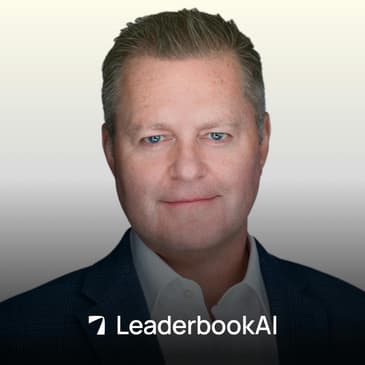
John Wensveen, Chief Innovation Officer at Nova Southeastern University, shares bold solutions for supporting early-stage founders, including his visionary “entrepreneurial theme park” built to reduce risk and fuel innovation. Reducing failure risk is essential for private equity investment and long-term value creation, requiring strong leadership to streamline business process automation and integrate disruptive AI automation safely.
—
Subscribe to the LeaderbookAI Podcast (formerly CPO PLAYBOOK): https://leaderbook.ai/podcast.
Want to create 10x the value of your business or investments? Let’s talk: https://leaderbook.ai/contact
Powered by the WRKdefined Podcast Network.
[00:00:00] I'm Felicia Shakiba and this is CPO PLAYBOOK where we solve a business challenge in every episode.
[00:00:14] Data from the US Bureau of Labor Statistics shows that approximately 20% of new businesses
[00:00:20] fail during the first two years of being open, 45% during the first five years and 65%
[00:00:28] during the first ten years. Only 25% of new businesses make it to the year 15 or more.
[00:00:36] John Wensvane, the Chief Innovation Officer at Nova, Southeastern University,
[00:00:41] claims to have decoded why entrepreneurs fail and is actively establishing an entrepreneurial
[00:00:48] playground to facilitate success for entrepreneurs seeking to launch and scale and this is not just a student-based model.
[00:00:57] According to him by assembling the right individuals formulating a solid plan and securing adequate funding,
[00:01:05] entrepreneurs are bound to thrive.
[00:01:10] John, welcome to the show. It's great to have you here.
[00:01:13] I'm so excited to be with you and I'm looking forward to our conversation.
[00:01:17] John, can you share the inspiration behind what you've built or have been building over the last few years
[00:01:24] for Nova and perhaps walk me through your philosophy that supports entrepreneurial success?
[00:01:31] Well, it's kind of interesting. I started my position as the Chief Innovation Officer at NSU,
[00:01:35] which incidentally is the largest private research university in the state of Florida with a
[00:01:40] $5 billion impact on the regions that we serve. And when I was brought on board,
[00:01:46] I was asked to create an innovation center in quotes and those that were talking to me had a general idea
[00:01:52] of what one was, but I don't think fully understood the impact that it could have on a community.
[00:01:59] And I turned out to be an ideal candidate because I had my own entrepreneurial journey of success and failure.
[00:02:05] And when I found out what the opportunity was, I had a couple of conditions around our discussion before joining
[00:02:13] and I had to make sure that there was one rule that was very important, that had to be supported.
[00:02:18] And the number one rule is that there are no rules. And if that's the case and you allow me the
[00:02:23] freedom to fly, then I'm your person to build out this innovation center and it's not going to be
[00:02:28] local impact. It's going to be regional, national and international. And the idea behind it was to
[00:02:34] figure out how you could reverse engineer the success of an entrepreneur from the very birth of an
[00:02:41] idea right through the successful exit of a company and candidly after looking at the world, not just
[00:02:48] at the United States. No one has figured out how to do that. And I don't know if anybody ever will.
[00:02:53] It's kind of like looking at an airline. Can you create the world's most perfect airline? And I come
[00:02:58] from that industry and the answer is no, but you can always improve upon it and make things better.
[00:03:03] So I said one on a personal mission which has now become a community mission to figure out how you
[00:03:09] create truly an economic and education development engine in South Florida that literally has
[00:03:14] global impact. That can take an entrepreneur from the birth of an idea right through the successful
[00:03:19] exit of a company or global expansion and bring it all under one roof. So what we did is we created
[00:03:25] the world's first theme park for entrepreneurs which we've trademarked because people understand
[00:03:30] the nature of a theme park. And when you're in a theme park, there are different worlds and rides
[00:03:34] and our rides have returned on investment for all of the stakeholders that make this successful.
[00:03:40] And two years ago next month in April will officially have been opened. And the idea here is
[00:03:45] that if you could take an entrepreneur different stages of launch and scale up and put them under
[00:03:50] the 54,000 square foot of purpose-built space that have access to all kinds of rides and create
[00:03:57] truly a giant collision station that first the first time globally forces entrepreneurs to collide
[00:04:04] with academia, industry, government, funders, professional network service providers in a whole lot more.
[00:04:11] And could you in theory take yourself as an example off the street and over the course of 12 months,
[00:04:17] ideate, incubate, accelerate and launch your business and then potentially exit or go for global
[00:04:24] expansion. And we proved the concept with one organization and we did so very successfully which
[00:04:30] meant that we could do it with others. So the philosophy behind what we built here was to figure out
[00:04:35] how to minimize the risk for entrepreneurs at all the different phases of the life cycle of the
[00:04:41] entrepreneur which there were four in its ideate, incubate, accelerate and most accelerate
[00:04:46] and bring the world to them rather than them having to go and find the world and ultimately fail.
[00:04:52] And as of now in less than two years we've now served over 200 entrepreneurs, we've created 95
[00:04:58] new companies, we have an $86 million impact on the region and those numbers are only going to
[00:05:04] double and triple as we begin to accelerate. So I like to say we're a scrappy startup helping
[00:05:09] startups but we're now at that level of maturity where the data is a lot more that we're reporting out
[00:05:16] now officially to the federal government is meeting the metrics of an organization that's been around
[00:05:22] for eight to ten years. So that's how fast we're growing while we're helping others.
[00:05:26] And I think we have figured out the secret sauce that we're only going to improve upon
[00:05:30] over time. Well what an opportunity that is for yourself to build on such an amazing program but also
[00:05:38] just it sounds like for the community, for the students, for everyone involved it's a tremendous
[00:05:46] mission and I'm so excited to dig into this experience with you. So if you could share what challenges
[00:05:53] have you seen entrepreneurs face in terms of talent gaps? How do you help them address those?
[00:06:00] It's a really interesting question that opens up Pandora's Box because it's a global phenomenon.
[00:06:06] Finding talent versus qualified skill talent. There's a huge differentiator between the two and
[00:06:11] there is an abundance of talent in the world and right here in our own region of South Florida which
[00:06:16] consists of Miami Fort Waterdale and the Palm Beach areas but there is not an abundance of qualified
[00:06:22] skilled talent. So in terms of the challenges that we face when we started looking at the design
[00:06:27] and build out of an innovation center, we wanted to make sure that we had the right partners involved
[00:06:32] that truly understood what some of those challenges were. So the innovation center model that we created
[00:06:36] is actually a public-private partnership between the university and Broward County which is our local
[00:06:41] government and we both co-invested equally into the build out of what we put together with the idea
[00:06:47] that we would take the lead as being that economic and education development engine for the county
[00:06:53] and for the region. And with that we were given free reign to really understand what kind of trends
[00:06:58] exists as well as opportunities and challenges to develop strategies that help fulfill some of the
[00:07:06] red tape around the talent question that we have right now. And the challenge that we have in
[00:07:11] South Florida is that we have always been known for sunshine beaches and cruise ships and spring
[00:07:17] break. And the idea of rebranding our region so that's not just that but it's also a startup community,
[00:07:25] a scale up community that were an incentive for people to come to the South Florida region
[00:07:30] for innovation technology and entrepreneurship. And it's very easy to recruit talent to the
[00:07:36] South Florida region but it is very challenging to retain that talent because number one it's not
[00:07:43] cheap to live in South Florida contrary to popular belief, it's actually very expensive. There are
[00:07:48] transportation challenges particularly public transportation congestion on the roads, affordable
[00:07:54] housing is a critical situation even homelessness to a certain degree and paradise isn't often
[00:08:02] paradise once you're living in it. So for an innovation ecosystem that is really at the
[00:08:09] foothills of maturity, it's just starting to grow and attracting a lot of attention from across
[00:08:14] the country from your Silicon Valley's to your Boston's, New York's, your Austin's as an example
[00:08:21] it's exciting to learn about but once you get here or to home grow the talent there are a lot
[00:08:26] of challenges that go around that and that's one of the big issues at entrepreneurs and companies
[00:08:31] that are mature are facing is because they're finding it very difficult to find the right talent for
[00:08:36] the right job, the right skills and even though I represent an academic institution I'm usually one
[00:08:43] of the first to say publicly that academic institutions and industry there's a huge divide between those
[00:08:50] worlds and that academic institutions have typically dictated to industry what their needs are
[00:08:55] rather than listening to industry and industry often will say hey we're really concerned that we're
[00:09:00] not getting the skills out of the academic or training institutions in the public and private sector
[00:09:05] and you need to do something about it and then this innovation center and myself as an ambassador
[00:09:12] go and say well listen we got to get around the same table and we understand the challenges on both
[00:09:18] sides is time to sunset old programs that are no longer relevant it's time to focus on more skills
[00:09:24] based opportunities the word of apprenticeship should be sexy again and it's not just blue collar
[00:09:29] trade anymore as especially in technology and industry if you really have these challenges you
[00:09:35] need to strategically co-invest with the academic institutions and the training providers so that we
[00:09:40] are delivering and you are hiring and hopefully growing those individuals within your own organizations
[00:09:47] or industries that you represent so those are the main challenges in terms of what the environment
[00:09:53] looks like and then as an entrepreneur I don't necessarily have resources at the early stage of
[00:09:59] development to be able to pay the compensation that's expected of individuals and the world has
[00:10:04] changed in the last four years and one of the dilemmas that I'm often faced with talking to
[00:10:09] entrepreneurs and other existing large businesses and government is that the question is should I change
[00:10:15] my model to accommodate the new workforce or should the new workforce change to accommodate what
[00:10:22] we used to do in an environment or is it a bit of a hybrid model where there's give and take and
[00:10:26] there's pros and cons to all of that but these are active discussions that we're having every single
[00:10:31] day but there are so many other challenges behind that but talent versus qualified skill talent
[00:10:36] is probably the most important and where do you get them or do you source them how do you home grow
[00:10:40] how do you recruit and then how do you retain okay so let's dig into that what strategies have
[00:10:47] you found so far most effective for helping entrepreneurs identify and recruit and retain the
[00:10:55] right people for their teams it's interesting when you look at entrepreneurs because it's a really
[00:11:00] great definition of what an entrepreneur is but an entrepreneur is essentially an enterprise builder
[00:11:04] they've identified a challenge they've got a solution and they're commercializing it and hopefully
[00:11:08] scaling it and when you're dealing with the early stage entrepreneurs those that don't have a lot
[00:11:13] of experience which is where we spend most of our focus they don't know what they don't know
[00:11:17] and an entrepreneur is very excited about what they're going to build their company idea but they
[00:11:22] don't necessarily have all of the knowledge and skills to be able to take it to the next level
[00:11:26] and one of the hard lessons that an entrepreneur often learns early on by mistake is that they're not
[00:11:31] necessarily going to be the CEO of their company as it begins to grow because they're going to meet
[00:11:37] new types of talent skills and experience to be able to take that company to the next level
[00:11:42] and when you look at early stage startup companies and the majority of them do fail
[00:11:48] it's because they don't have the right plan the right people or the right money or a combination
[00:11:53] of those factors and if one of those is wrong then unfortunately it could be the detriment of your whole
[00:11:59] vision, your dream and what we've done within our space by bringing in experienced entrepreneurs
[00:12:05] that have been there and done it they've had successful exit their qualified mentors and coaches
[00:12:12] investors we bring in a lot of that guidance and advice so that you minimize your risk from the
[00:12:18] very beginning and our philosophy is that if you're coming into the Le Mans Center of Innovation
[00:12:23] before you do anything we're going to figure out how to change your mindset so that you're going
[00:12:28] to create an idea and you're going to scale your company at an accelerated pace you're going to
[00:12:33] fund it at an accelerated pace and you're going to accelerate your exit at an accelerated pace
[00:12:39] and if you follow these rules and listen to your coaches and mentors and the content of the
[00:12:44] programs that you're engaged with and the networks that we're connecting you to then you're going
[00:12:50] to avoid a lot of mistakes that others have done before you including myself and sometimes that's
[00:12:57] really hard for entrepreneurs to absorb because they think they know a lot about a lot and the
[00:13:02] reality is the the smarty get the less you know about the world and our job is to show you
[00:13:07] that there's a lot more that you need to know and just follow the map and we'll help guide you
[00:13:12] there so that's our culture that's our climate and most of the people that engage with us sometimes
[00:13:18] have a hard time absorbing that they need to change their thought process but when they do and
[00:13:24] recognize that we can get you from A to Z and yes you're going to do the hard work and yes you're
[00:13:29] going to struggle and yes you're going to have failures along the way that you're going to learn
[00:13:33] but we're going to help avoid those risks wherever we possibly can so that you can be wildly
[00:13:38] successful at the end of the day. So having an entrepreneurial spirit is important or an entrepreneurial
[00:13:45] mindset is important and being able to take advantage of your program and your resources,
[00:13:52] the network you're saying all come together to help entrepreneurs be successful whether it be
[00:13:57] talent or product or anything else is that fair to say? Yeah absolutely you're 100%
[00:14:02] correct. You said something earlier where it was about listening to the workforce and the needs
[00:14:08] of the workforce and then kind of working backwards and creating skill sets within academia
[00:14:13] to help support what the workforce needs. How do you do that? This is an interesting question so again
[00:14:22] I'm representing an academic institution but I'm not thinking as an academic and that's for my
[00:14:28] success has been I've been a successful business entrepreneur industry type person but also successful
[00:14:35] in academic environments that are truly full of bureaucracy and red tape and silos and the idea
[00:14:42] behind the innovation center being built is another one of those rules is that it can't be owned by
[00:14:48] anybody. It can't report anybody. It has to be built to Switzerland within a very large university
[00:14:55] framework that then becomes the catalyst or the portal to open up new opportunities that over time
[00:15:02] will break down silos. So in our case of the university we have 15 academic units and numerous
[00:15:07] non-academic units and we have a philosophy called one NSU and the goal is we all work together.
[00:15:13] The reality of it is not everybody does work together and we do have silos between units that are
[00:15:19] academic and non-academic in nature and I've spent the last four years creating education and
[00:15:25] awareness programs to the university community and outside of the university the community at
[00:15:30] large the public and private sector which is frankly where we spend most of our energy actually
[00:15:35] outside the walls of the university because that's the fastest chance of success helping entrepreneurs
[00:15:40] that are not affiliated with the university and showing them that an innovation center can lead to
[00:15:47] success. So in the case of a university it leads to commercialization of research more intellectual
[00:15:53] property rights technology transfer patents as examples and if you change the mindset of a researcher
[00:16:00] or an academic or embed new ways of thinking around innovation entrepreneurship technology into
[00:16:06] academic curriculum the results begin to change over time where you're actually creating businesses
[00:16:12] and hopefully scaling those businesses so we're in that transition as a university right now where
[00:16:18] this portal this gateway this Switzerland that we've created is truly breaking down the barriers.
[00:16:23] It takes a long time over making significant progress and then with the successes that we have outside
[00:16:28] the walls of the university which is about 90% of our success coming from outside the university
[00:16:35] internally when people begin to see what those successes are everybody wants to be part of that club
[00:16:41] and then what we do as an innovation center is we glue the internal and external worlds together
[00:16:46] so now we have more partnerships more grants more businesses being created more angel and venture
[00:16:51] capital investment dollars starting to form and slowly but surely we're truly building not a tech
[00:16:58] up but an innovation ecosystem here in South Florida. So I want to dig in to that piece about what you
[00:17:05] do what does this program entail how do you help entrepreneurs actually create a product or an
[00:17:13] organization and then get people to be involved in their vision whether it be employees or contractors
[00:17:20] like how do you help entrepreneurs bring people together to elevate the opportunity for success
[00:17:28] for their startup. The first thing we do is we start with an incredible team so I have a small and
[00:17:33] mighty team of full-time personnel that represent different units from programs to memberships
[00:17:39] to services and then we have an extremely large volunteer base and a fairly decent sized vendor
[00:17:47] base and I don't like to use the word vendor. I believe in strategic partnerships so for
[00:17:52] some date then you propose and get married and hopefully you don't ever get divorced and
[00:17:55] that's the nature of the ecosystem that we continue to build here and once you've got the team in place
[00:18:01] and the physical infrastructure we then go out to the world and identify entrepreneurs and some
[00:18:07] will say that you have to be born with entrepreneurship in your DNA. I don't agree with that you can
[00:18:12] teach somebody to be an entrepreneur if they have the mindset to be able to adapt and the skill set
[00:18:17] to be able to learn and then what we do is we bring you in at one of three levels so it might be
[00:18:23] just the ID-8 stage. So if you qualify you'll go in free of charge by the way into an ID-8 program where
[00:18:30] we're just teaching you over the course of about six weeks how to create an idea and form it into
[00:18:36] something that could be looked at. The next level is the incubate. Now that I've got the idea I'm
[00:18:41] incubating the idea I'm fine-tuning it and again over a six eight week period you're going to leave
[00:18:47] a program that's also free of charge with a much better idea what your business model is going to
[00:18:53] look like. The third phase is the accelerate and accelerate can be a business that's already
[00:19:01] got some revenue maybe has an employee or two and they're starting to grow or they're not even in
[00:19:07] business yet they're not in the commercial sector but they're creating their business plan that's
[00:19:11] going to allow them to enter the market and to do so successfully and that's about a 10 week
[00:19:16] program and what we do is we don't focus on any particular industry vertical we open the door
[00:19:23] to any type of entrepreneur that has an idea and it doesn't have to be just technology focused
[00:19:27] because a lot of great non-technology ideas out there as one track then we've created another
[00:19:33] track that's exclusively focused on space so we created the term space partnership and we're
[00:19:39] the first space partnership program in South Florida where I can now take somebody through the
[00:19:43] ID-8 and incubate and accelerate but it's customized to the space economy and show people how they
[00:19:48] can pivot their ideas and businesses to actually be space companies which in many cases is out of
[00:19:54] this world for people and then we have a third track which is brand new for us and it's focused on
[00:20:01] veterans and entrepreneurship so how do you take military veterans that discovered challenges that
[00:20:07] need solutions during their time of service and now we put them through a multi-week program we
[00:20:14] actually have two versions of it we're in the middle of it as we speak and show them how to take
[00:20:19] that idea that they discovered in the field of service to now become a commercialized business
[00:20:23] so three different pathways and once you come in we don't just accept anybody we do have a place
[00:20:30] for everybody but when it comes to programming there is an application process there is a screening
[00:20:35] committee there is an interview and we need to make sure that you've got the ability to have the
[00:20:40] mindset to be successful and that you're willing to learn and we will learn from you as well
[00:20:45] because you've got the idea you think you have a solution to the challenge and then we'll help
[00:20:48] massage that and we always tell people upfront it's kind of like creating a business plan if you
[00:20:54] don't have a plan you plan to fail but understand it's only a plan and what you actually launch
[00:20:59] and scale is probably not going to be what the original thought was and you have to adapt to that
[00:21:05] and understand it and we've had some that have said nope this is my idea take it or leave it
[00:21:10] they're not a fit unfortunately we'll help you in different ways but you have to be able to understand
[00:21:16] that what comes out at the end of the machine versus what went in is not going to be the same thing
[00:21:21] in almost every single case and that's part of that mindset that you have to learn so we teach you
[00:21:26] the entrepreneurial mindset the strategic mindset we teach you that this is the hardest thing you're
[00:21:31] ever going to do an entrepreneur is not working the hours that you want to work and taking
[00:21:35] vacations whenever you want to work it is the hardest thing in the world it's a lonely pathway
[00:21:40] because there's not a lot of you out there so what we do is we create the tribe and if you're
[00:21:45] successful within that tribe you found your supporters and you're gonna learn off of each other
[00:21:50] and hopefully you'll end up even going into business with each other which is another thing
[00:21:54] that happens ideas begin to mix the next thing you know you're merging your ideas to become a
[00:21:58] single company so there's a lot of things that go around that but we have very defined programs
[00:22:03] we have less defined programs that are a little bit more generic in nature one of the things that
[00:22:07] we did in terms of reverse engineering success is I wanted to create what I'll call a shopping mall
[00:22:13] that has storefronts and that's what we've essentially done where we now bring in those
[00:22:17] wraparound service providers that you would normally have to go and find on your own and we bring
[00:22:23] them to you so it's everything from business planning strategic planning marketing branding
[00:22:29] legal finance accounting HR technology and we add itself care management in there because entrepreneurs
[00:22:35] need to disconnect they're not nine to fibers 24 7 365 and you got to think of yourself and I'm the
[00:22:41] worst person about looking after myself but it's so important to be able to make that disconnection
[00:22:47] and in theory you can come here never leave the building ideate once your business and exit
[00:22:54] your business as we've proven that you can do this and now our goal is to continually improve
[00:22:58] upon that process so that we're always making more access opportunities for underserved entrepreneurs
[00:23:04] at every stage of development bringing more and more services and networks to them and then also
[00:23:09] trying to align them with funding where we pre-screening the angel investors and the venture capitalists
[00:23:15] that are interested in pre-seat startups versus those that are looking for revenue generating
[00:23:20] or a certain level of growth or within a certain industry verticals and example because that's
[00:23:24] one of the hardest things to find is the right money and what we do is continuously build that
[00:23:28] base up. We're not quite positioned yet but we're in the process of being able to take equity
[00:23:33] companies as well which also puts more skin in the game for us to make sure that you're successful
[00:23:39] without taking away all of your real estate upfront it's a very small percentage upfront
[00:23:43] and then there's royalty license agreements that we can look at in the future and then my big dream
[00:23:48] is to actually create our own investor fund so that when the right opportunities are in front of us
[00:23:53] we can actually put our own money into these companies at the scale so that's one of our next levels
[00:23:58] of growth as well. And I think that's really interesting that you screen the money where the money
[00:24:03] is coming from because I know I've had my fair share of meeting with entrepreneurs when I had
[00:24:11] my own startup long ago and they're always pushing the needle for a little bit further and
[00:24:17] further away. And an entrepreneur can very easily and I'm guilty of this too get caught up
[00:24:22] in going to the next step and then hoping for that money to come in only to find out that
[00:24:27] that money is not going to come for another next step or another next step. And so giving those
[00:24:33] resources basically what you shared those resources that shopping mall of talent or supporters
[00:24:39] that would be able to help those entrepreneurs get to where they need to get too much faster
[00:24:45] that's incredible. I'm not sure if I know anywhere else that does that but it's very interesting
[00:24:51] to see that hub is being created. I think another thing that you said was the veteran program.
[00:24:59] I know a lot of times I've spoken to veterans where they come out and they say I'm not sure what
[00:25:05] I want to do. I'm not sure where my skill set is but this is something that they don't have
[00:25:09] to know how to do. They have to know how to learn. They go into this program, they come out with
[00:25:15] opportunity and they know everything about their own industry because it's just where they just came
[00:25:20] out of. That is extremely unique. How is that going? I'm curious. It's turning out to be very successful
[00:25:28] so I've always had a very strong interest in military and over the last few years I've spent
[00:25:34] considerable time with different military organizations and it was a trip that I took to San Diego
[00:25:39] about a year and a half ago where I recognized how bad the homeless situation was in San Diego
[00:25:45] and after taking a deep dive realized that the majority of the people on the streets in San Diego
[00:25:49] actually came out of the military in Jersey Males. After doing more research on that,
[00:25:54] I was incredibly disturbed as to why and the downtown core of San Diego quite frankly is a mess.
[00:26:00] It's full of homelessness, it's the odors in the air, the filth on the streets and the greater
[00:26:07] San Diego area is beautiful but what's going on? So there was a larger committee that was involved
[00:26:12] in all of this. It was an economic development trade mission that we took there and I personally
[00:26:17] was disturbed by the volume of people on the streets and when I realized that many of these were
[00:26:22] people that committed their life for the service of our country and on their last day of service
[00:26:29] they were literally just let go and those that are at lower ranks, that's when trouble starts to
[00:26:35] begin because they don't know what to do. They've been fed, they've been driven, they've been
[00:26:39] transported to wherever they are in the world, they haven't been on their own and the military
[00:26:45] doesn't necessarily do the best job of trying to create a pathway for your success upon the end
[00:26:51] of your service so I always took the belief that you are always serving your country even when
[00:26:56] you're not in the field per se and one of the next levels of programs that we're going to develop
[00:27:02] and I'm trying to figure out how we fund this is to not just serve veterans but find military
[00:27:09] that are in their last six months of transition from military to civilian life because that's when
[00:27:15] things go really bad, that's when the drugs, the alcohol, the abuse starts to happen because they
[00:27:21] don't know what they'll get it due and they're lost. So what if we get them in the final six months
[00:27:25] of service and the military will pay for them to transition in their final six months of service
[00:27:31] to create new skills, upskilling and re-skilling. So what my goal now is to advance the entrepreneurship
[00:27:37] program around Vets to serving military in their final six months of service so that they transition
[00:27:44] into something and they're successful for the rest of their lives and I will say I'm really excited
[00:27:49] next week actually it's the very first veterans entrepreneurship pitch night that we are doing so
[00:27:55] they've now graduated from their first program some of them will go into the next stage in our
[00:28:00] program but what I liked about them on the first day that they joined us I went into do a meet and
[00:28:05] greet and it was the first time that I sat with entrepreneurs in the making existing entrepreneurs
[00:28:11] that were all building something because of their experience in the service and every single one
[00:28:16] of them knew exactly what it is that they were going to build. They were totally focused versus others
[00:28:22] that I don't know what I want to do you know I want to build a cooler like a Yeti but I want to
[00:28:25] make it better but I don't know what versus when I was in the field I discovered this and people lost
[00:28:30] their lives I can save lives by doing this and something relatively simple and I love that and we
[00:28:35] had about 15 16 that's in the program every single one of them made it through the program nobody
[00:28:42] dropped out 100% success and the seven of them are going to be pitching next week and I haven't seen
[00:28:48] them practice and I'm going to walk in and just watch for the rear of first time but all of the
[00:28:52] feedback that we got from our team from those that participated the grant funder which is an
[00:28:58] organization called Veterans Ford of the believed in what we were doing it's going to be a win-win-win
[00:29:02] for everybody involved and and so they're going to allow us to focus more on serving military whether
[00:29:08] you're in service or veterans in the future. John this is such a wonderful feat I am incredibly
[00:29:16] impressed with so much that you and your team have done thus far I'm so excited I'm a huge
[00:29:23] supporter of what you're doing and I can't wait to see what happens next year and what happens to
[00:29:30] these that thank you so much for your time today I feel honored to have had you on the show really
[00:29:37] I do. A magic word C so you have an open invitation to come and visit us at any time and come to
[00:29:43] the world's first theme park for entrepreneurs it's one thing to talk about it and show videos
[00:29:47] and pictures but when you walk it, talk it and smell it you're like oh my gosh like this has never
[00:29:54] been done before and hopefully we can scale this concept on a more global basis when others begin
[00:29:59] to figure out the success behind it. Well maybe you can give me a picture and I'll put it on this
[00:30:05] episode's page on cpoplaybook.com. Okay I will absolutely do that and I appreciate the opportunity
[00:30:11] to speak with you today too. Awesome thanks so much John. Thank you. That's John Wensvine,
[00:30:18] Chief Innovation Officer at Nova Southeastern University, Florida. If today's episode captured
[00:30:25] your interest please consider sharing it with a friend or visit cpoplaybook.com to read the
[00:30:32] episode or learn more about leadership and talent management we greatly appreciate your rating
[00:30:38] review and support as a subscriber. I'm Felicia Shakiba, see you next Wednesday and thanks for listening.
Sponsors
