
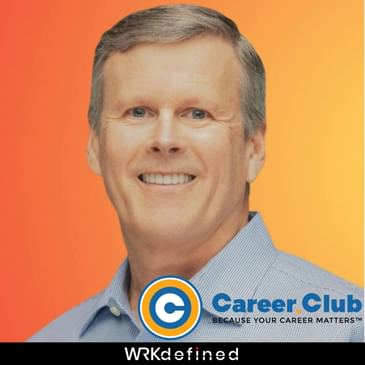
How do you cultivate leadership that lasts? Join us as Nathan Tanner, an executive coach with a rich career spanning Lehman Brothers, LinkedIn, and DoorDash, reveals his secrets to becoming "The Unconquerable Leader." You'll learn about the vital dynamics between extrinsic and intrinsic motivation and walk away with practical strategies to keep your drive intact for the long haul. Nathan also shares his journey, from his roots in Anaheim, California, to his passion for triathlons, blending personal anecdotes with professional wisdom.
Ever faced job rejection and struggled to keep a positive mindset? Nathan's got you covered. In this episode, he unveils how to reframe your mental approach with daily goal reminders and the powerful concept of Misogi—taking on one hard challenge every year to build resilience. He recounts his experience completing an Ironman triathlon and how it reshaped his perspective on everyday challenges. Additionally, Nathan discusses the importance of feedback, leveraging frameworks like Radical Candor and SBI to provide constructive criticism effectively.
But that's not all. Nathan delves into creating a Leadership Operating Manual, a tool that can fundamentally transform how you lead and communicate within your team. From breathing exercises to the benefits of walking, discover simple yet profound methods to enhance your mental well-being. As we wrap up, you'll get actionable tips on documenting your progress and maintaining consistency, all aimed at helping you achieve long-term success. Connect with Nathan Tanner and uncover the invaluable lessons from his book, "The Unconquerable Leader," by visiting NathanTanner.net or reaching out to him on LinkedIn.
Powered by the WRKdefined Podcast Network.
[00:00:01] [SPEAKER_00]: Hi everybody, this is Bob Goodwin and welcome to another episode of Career Club Live. We're
[00:00:07] [SPEAKER_00]: so glad that you've joined us today. Before we get started, I just wanted to share with
[00:00:11] [SPEAKER_00]: anybody who might be in job search or if you know someone who is in job search. Every Thursday
[00:00:16] [SPEAKER_00]: at one o'clock Eastern, we are hosting what we call Career Club Corner which is a free
[00:00:21] [SPEAKER_00]: group coaching call. You can just go to career.club. There's a big banner right
[00:00:26] [SPEAKER_00]: in the front as soon as you get on the homepage to register for this. This is a free call.
[00:00:32] [SPEAKER_00]: It's always free. No selling, this is just providing a forum for you guys to come and
[00:00:38] [SPEAKER_00]: maybe learn something new and then ask your questions about your job search. So again,
[00:00:42] [SPEAKER_00]: if you're in job search or you know somebody who is, we'd really encourage you to go
[00:00:46] [SPEAKER_00]: to career.club, click on the main banner on the homepage to register for free and
[00:00:51] [SPEAKER_00]: we hope to see you or a loved one sometime soon. So with that let's get into introducing
[00:00:56] [SPEAKER_00]: today's guests. I'm going to read this because this background is pretty cool. So
[00:01:00] [SPEAKER_00]: we're thrilled to have special guests with us today, Nathan Tanner, an accomplished
[00:01:03] [SPEAKER_00]: executive coach, author and leadership expert. Nathan is the founder of a thriving
[00:01:09] [SPEAKER_00]: executive coaching business where he helps leaders from high growth startups and
[00:01:13] [SPEAKER_00]: well established companies like to unlock their full potential. With a rich
[00:01:17] [SPEAKER_00]: background that spans Wall Street, Silicon Valley and beyond, Nathan has
[00:01:21] [SPEAKER_00]: unique blend of experience and insight that makes him a powerful voice in the
[00:01:25] [SPEAKER_00]: world of leadership development. Today we're going to be talking about his new
[00:01:28] [SPEAKER_00]: book I just learned a minute ago, his second book called The Unconquerable
[00:01:33] [SPEAKER_00]: Leader. It's a powerful guide that combines his personal experiences with
[00:01:38] [SPEAKER_00]: actionable insights and frameworks designed to help leaders thrive both
[00:01:42] [SPEAKER_00]: personally and professionally. His book explores mastering both the
[00:01:46] [SPEAKER_00]: external skills of leadership and the internal game of resilience, which is
[00:01:49] [SPEAKER_00]: my favorite topic these days, making it a must read for anyone looking to
[00:01:53] [SPEAKER_00]: excel in today's environment. So Nathan, I am so excited to have you on
[00:01:57] [SPEAKER_00]: today. Welcome.
[00:01:59] [SPEAKER_00]: Thank you for having me. Very excited to be here, Bob, big fan of the podcast.
[00:02:03] [SPEAKER_00]: No, you're very kind. Thank you. So as this I want to do before we dive into
[00:02:07] [SPEAKER_00]: the book, which I'm very excited about, let's just help people get to know
[00:02:11] [SPEAKER_00]: you a little bit more as a human being first. So easy question. Where
[00:02:14] [SPEAKER_00]: were you born and raised?
[00:02:16] [SPEAKER_01]: I grew up in Anaheim, California and lived there until I went off to
[00:02:22] [SPEAKER_00]: college. Cool. LA sports fan, you like the LA teams?
[00:02:27] [SPEAKER_01]: Big Angels fan and Lakers fan. Those are my two big teams.
[00:02:32] [SPEAKER_01]: Yes. That's cool. And then where did you go to school?
[00:02:35] [SPEAKER_01]: I went to school at Brigham Young University in Provo and had a great
[00:02:41] [SPEAKER_01]: experience there. What was your degree?
[00:02:44] [SPEAKER_00]: I studied finance as an undergrad. Me too. What I learned though when
[00:02:48] [SPEAKER_00]: you study finance, if you're in it, it's finance. Somebody told me that.
[00:02:52] [SPEAKER_01]: That's right. It's been too long since I've been in finance.
[00:02:56] [SPEAKER_01]: Maybe I lost that.
[00:02:59] [SPEAKER_00]: Good for you. It's probably a good thing.
[00:03:01] [SPEAKER_00]: And then just a little bit about your family, Nathan.
[00:03:04] [SPEAKER_01]: Yes. I was one of four kids.
[00:03:07] [SPEAKER_01]: Now I got married while I'm still in college and we have four young
[00:03:12] [SPEAKER_01]: kids ages five through 13.
[00:03:15] [SPEAKER_00]: Okay. That's going to answer another question I bet in a minute.
[00:03:19] [SPEAKER_00]: Do you mind just painting for folks just a little bit of a picture of your
[00:03:23] [SPEAKER_00]: career arc and what you did after school that's led you to where you are today?
[00:03:27] [SPEAKER_01]: Absolutely. Yeah. So yeah, finance undergrad started my career in investment banking.
[00:03:33] [SPEAKER_01]: The perfect time and the perfect bank to do that. It was 2008 at Lehman Brothers,
[00:03:40] [SPEAKER_01]: which turned into be the largest bankruptcy in U.S. history.
[00:03:45] [SPEAKER_01]: Really it was a challenging and defining moment early in my career.
[00:03:51] [SPEAKER_01]: I stayed in finance for about five or so years, made a very big pivot to the human resources world.
[00:04:00] [SPEAKER_01]: There I was at Link, NHRI worked at LinkedIn.
[00:04:05] [SPEAKER_01]: I was at DoorDash for almost five years leading the HR team and seeing that company through
[00:04:10] [SPEAKER_01]: hyper growth, rapid scale from evaluation of $600 million to $70 plus billion.
[00:04:19] [SPEAKER_01]: Just a life changing experience. I then joined a smaller startup based in Utah called Neighbor
[00:04:26] [SPEAKER_01]: as the VP of people and have since launched an executive coaching business.
[00:04:33] [SPEAKER_00]: Very cool. And then like I said, I think I might know some of the answer to this next
[00:04:37] [SPEAKER_00]: question. When you're not writing books and coaching executives, what are you doing your spare time?
[00:04:44] [SPEAKER_01]: Yeah, I have turned into a big fan of triathlon. And so I am often running, swimming, biking,
[00:04:55] [SPEAKER_01]: went on a 20 mile ride before we're having this conversation.
[00:05:00] [SPEAKER_01]: I play a little bit of pickleball and then just spend as much time with the kids as possible,
[00:05:06] [SPEAKER_01]: dance, sports, following all the things that they're into.
[00:05:10] [SPEAKER_00]: I was going to say when you have four kids, A5 to 13, you're pretty busy with their activities.
[00:05:15] [SPEAKER_00]: I bet you get a lot of your marathon training and just chasing them around.
[00:05:19] [SPEAKER_00]: Exactly. Yes.
[00:05:22] [SPEAKER_00]: So kind of the obvious question to kind of kick things off would be
[00:05:27] [SPEAKER_00]: why this book, why now and the title especially?
[00:05:32] [SPEAKER_01]: Yeah. So I should probably share the jump that I had into executive coaching,
[00:05:41] [SPEAKER_01]: which is really where this book started. So I was an HR executive, had planned on moving
[00:05:49] [SPEAKER_01]: into coaching full time at some point. And I went through a coaching training program where
[00:05:56] [SPEAKER_01]: I learned a lot of tactics around developing the internal game, which I'll get into in a moment.
[00:06:05] [SPEAKER_01]: But I remember when I jumped into the coaching world and had my first few clients,
[00:06:11] [SPEAKER_01]: and this is while I'm still in the corporate world, I'm doing this on the side,
[00:06:15] [SPEAKER_01]: in my mind I'm thinking, okay, now I'm an executive coach.
[00:06:18] [SPEAKER_01]: I am here to teach these leaders and help these leaders develop fundamental skills
[00:06:26] [SPEAKER_01]: to make them more effective at their job. This is delegation, accountability, communication,
[00:06:36] [SPEAKER_01]: all of these leaders, goal-setting, all of these leadership skills that we often think about.
[00:06:42] [SPEAKER_01]: And I found as I started working with people that yes, that is important, that they wanted to grow
[00:06:51] [SPEAKER_01]: in this area. But a lot of the work we ended up doing was on the internal side,
[00:06:58] [SPEAKER_01]: what I call the internal game. And that's all of the stuff going on inside of us that
[00:07:03] [SPEAKER_01]: impacts how we lead but other people don't see. And so that's the self-doubt or
[00:07:10] [SPEAKER_01]: self-confidence, it's the stories that we tell ourselves around who we are or who we can be.
[00:07:18] [SPEAKER_01]: It's the emotional resilience that we find ourselves having. And so I'm having a lot of
[00:07:25] [SPEAKER_01]: conversations with people about their marriage, about their children, about sleep habits,
[00:07:33] [SPEAKER_01]: all of these things that are impacting how they show up. And so that was ultimately the
[00:07:37] [SPEAKER_01]: genesis of the book of, okay, how do we help people master the external game,
[00:07:44] [SPEAKER_01]: how we show up as leaders and also the internal game, what's going on inside of us that impacts
[00:07:49] [SPEAKER_01]: how we lead. And so about two thirds of the book is on the internal game because that's what I
[00:07:55] [SPEAKER_01]: found is really the opportunity for most of us. And why unconquerable? That's an interesting
[00:08:01] [SPEAKER_01]: word. Yeah, so it's a really powerful word and I intentionally didn't use the word unbreakable.
[00:08:12] [SPEAKER_01]: And that's a contrast that I call out explicitly of like we are all going to break or we're all
[00:08:21] [SPEAKER_01]: going to have experiences where we fall down, where we fail, where we really struggle deeply.
[00:08:29] [SPEAKER_01]: And I like unconquerable because it's, you know, we are not going to get conquered. We'll continue
[00:08:36] [SPEAKER_01]: to get back up. We'll continue to keep fighting and moving forward. And you touched on the word,
[00:08:43] [SPEAKER_01]: Bob, resilience. And that's really it. I'm like, okay, well, how do we show up consistently?
[00:08:49] [SPEAKER_01]: And how do we get back up when we've been kicked in the stomach or when we face the
[00:08:54] [SPEAKER_00]: setback that we weren't expecting? Yeah. So again, first of all, one thing that you said in your
[00:09:02] [SPEAKER_00]: coaching business I think is really important and I hope listeners take away, you ended up talking
[00:09:09] [SPEAKER_00]: a lot about marriage, sleep, kids, what we might call our real life, right? And, you know,
[00:09:18] [SPEAKER_00]: these are all highly related. I think it's a myth, I'd love to talk about this. I think it's
[00:09:25] [SPEAKER_00]: a myth to talk about work-life balance because it sounds like they're just, they live in silos and
[00:09:30] [SPEAKER_00]: they don't really interact with each other. And, you know, I've heard people ultimately talk about
[00:09:35] [SPEAKER_00]: work-life integration, work-life harmony. How do you think about that? Yeah, I explicitly
[00:09:42] [SPEAKER_01]: in the book separate chapters into, okay, this is the internal game or this is the external game.
[00:09:51] [SPEAKER_01]: But I found that they're very much integrated. And how we show up at work is going to be impacted by
[00:10:00] [SPEAKER_01]: what's going on in our personal life, by sleep, by marriage, you know, relationship with a
[00:10:06] [SPEAKER_01]: significant other, whatever it may be. And then, you know, vice versa, if we're struggling at work
[00:10:16] [SPEAKER_01]: or we're not succeeding there, that's going to impact it. And so I don't love the phrase work-life
[00:10:24] [SPEAKER_01]: balance. I like work-life integration much more. And I've also found that there are times and
[00:10:32] [SPEAKER_01]: seasons of the early days of DoorDash. I worked a lot. I spent less time with my family than I wanted to.
[00:10:43] [SPEAKER_01]: And my wife carried a pretty big load in the process. Over the last few years, I have optimized
[00:10:49] [SPEAKER_01]: much more for time with family as I don't want to miss out on this period. And I think that's
[00:10:55] [SPEAKER_01]: some of the challenges that we face is there's all these balls in the air and we don't want
[00:11:02] [SPEAKER_01]: to drop any of them. How do we manage that? And it becomes a very personal thing.
[00:11:08] [SPEAKER_00]: Okay, so let's just kind of start on the internal game 1.0. And you alluded to it,
[00:11:15] [SPEAKER_00]: but maybe you can just double click for a second on sort of these stories that we tell ourselves,
[00:11:20] [SPEAKER_00]: these narratives that you find people are telling themselves. And then what's the impact that
[00:11:27] [SPEAKER_01]: has? Yeah, so I've learned this myself. Very neutral events have happened to me in my life.
[00:11:39] [SPEAKER_01]: And then I have told myself a story based on that. An example of this is after DoorDash,
[00:11:48] [SPEAKER_01]: or sorry, after Lehman Brothers implodes, a couple months later, Lehman gets acquired by
[00:11:56] [SPEAKER_01]: a bank called Barclays Capital. And a few months after that, I get let go. This is January 2009.
[00:12:05] [SPEAKER_01]: This is one of the worst times to be looking for a job, particularly in finance.
[00:12:11] [SPEAKER_01]: But I decided to tell, you know, this is subconsciously tell myself a story that
[00:12:16] [SPEAKER_01]: I'm not that smart. I'm not that good. There's other people who are better than me.
[00:12:24] [SPEAKER_01]: I start looking for a job. I'm not having a lot of success. And these negative stories start
[00:12:30] [SPEAKER_01]: continuing and they start defining how I view myself. And it impacted the job search.
[00:12:39] [SPEAKER_01]: And I learned in the process of this that I needed to tell a new story. And this is something
[00:12:47] [SPEAKER_01]: that I see all the time with my clients. I have one client, Keanu, who culturally, and these are
[00:12:55] [SPEAKER_01]: his words, it was very difficult for him to push back on his team, to set high expectations
[00:13:04] [SPEAKER_01]: and hold them accountable. And when we unpacked this, we found out he'd been telling himself a
[00:13:12] [SPEAKER_01]: story that a lot of this was cultural. And culturally, you know, you don't want to stand out.
[00:13:19] [SPEAKER_01]: You want to be the nice guy and get along well with everybody. But for him in order to make his
[00:13:26] [SPEAKER_01]: company successful and to reach the goals he wanted to, he needed to tell himself a new
[00:13:32] [SPEAKER_01]: story around who he could be, who he could become and how he wanted to show up. And so I found with
[00:13:41] [SPEAKER_01]: people there's a lot of self-limiting stories. All of us have these. And that's the first place to
[00:13:47] [SPEAKER_01]: start because if we're telling ourselves a bad story, our growth is limited.
[00:13:52] [SPEAKER_00]: Dude, but do you ever find that even ostensibly very successful people are actually motivated
[00:13:59] [SPEAKER_01]: by a negative story? Oh, this is such a good topic. Yeah, I didn't know you were going to go here,
[00:14:05] [SPEAKER_00]: Bob. I'm glad you did. Yes. This is your dad's podcast. I mean, come on, I think this is what you
[00:14:11] [SPEAKER_01]: call it. There you go. Well, well played. So I work with a lot of startup CEOs. And these are
[00:14:19] [SPEAKER_01]: people who are extremely driven. They are building companies that have not existed before
[00:14:27] [SPEAKER_01]: creating new industries. This requires a level of drive that very few have.
[00:14:34] [SPEAKER_01]: And I found that many of these people are heavily motivated by the need to prove themselves,
[00:14:43] [SPEAKER_01]: a chip on their shoulder that they have from an event from their childhood or their upbringing,
[00:14:50] [SPEAKER_01]: not feeling welcomed, whatever it may be. And I have found that while this can be very,
[00:14:58] [SPEAKER_01]: very motivating and can lead to success, once you reach that level of success, then it's like,
[00:15:07] [SPEAKER_01]: okay, now what? This is becoming less fulfilling. And what do I do here? So a question that
[00:15:16] [SPEAKER_01]: I often ask is, what desires drive you? And what desires might derail you?
[00:15:26] [SPEAKER_01]: And it turns out it's two questions, but it's really the same question because often
[00:15:32] [SPEAKER_01]: the things that drive us to the pinnacle of professional success often become the things
[00:15:39] [SPEAKER_01]: that are going to derail us or going to hurt us because we put all of these important things on
[00:15:46] [SPEAKER_01]: the back burner in order to achieve this success. And then we get there and it's,
[00:15:51] [SPEAKER_01]: that's it. Or we get there and it's, hmm, my personal relationships are struggling or my health
[00:15:57] [SPEAKER_01]: isn't the way I want it to be. That becomes a challenge. So it's a lot of fuel on the way up,
[00:16:03] [SPEAKER_01]: but it can be a stumbling block once we get there.
[00:16:07] [SPEAKER_00]: So do you find that, I want to make sure I asked this question in a cogent way,
[00:16:15] [SPEAKER_00]: let me sort of blurt out something then you can help me is say for example that,
[00:16:20] [SPEAKER_00]: you know, my dad was either super successful as an example. Let's say, you know, he was an
[00:16:26] [SPEAKER_00]: executive at IBM and he did really, really well. Or my dad told me or somebody told me,
[00:16:32] [SPEAKER_00]: I don't think you're going to amount too much. Like, you just don't have it, whatever it is,
[00:16:38] [SPEAKER_00]: you don't have it son or daughter. You know, it's coming from the outside or how much of it is,
[00:16:48] [SPEAKER_00]: so I would call that extrinsic motivation versus intrinsic motivation about some self-concept
[00:16:55] [SPEAKER_00]: that I've got positively or negatively as a driver because I can see that like if it was
[00:17:01] [SPEAKER_00]: extrinsic, like I want to prove my dad wrong. Okay, now I'm the CEO of DoorDash and it's worth whatever
[00:17:08] [SPEAKER_00]: you just said, but either my dad died, like that's not fixing that or it's still not fixing it.
[00:17:17] [SPEAKER_00]: You know, like how do you find, does it tend to be external or internal?
[00:17:23] [SPEAKER_01]: Yeah, it varies quite a bit. A very personal example, I had this high school swimming coach
[00:17:31] [SPEAKER_01]: and I remember him telling me, there was a comment made about, you know, I was a little
[00:17:39] [SPEAKER_01]: bit on the chubbier side. I wasn't always the hardest working kid and there were comments made about,
[00:17:45] [SPEAKER_01]: you know, my body and weight gain and things like that and like I still find myself 20 plus years
[00:17:52] [SPEAKER_01]: later as I'm training for a triathlon thinking about this seemingly innocuous comment that was
[00:17:59] [SPEAKER_01]: made and like, okay, I'm going to prove him wrong. And so I think for many people these extrinsic
[00:18:04] [SPEAKER_01]: motivators or the desire to prove to someone else or you know, wrong, I think those can be very
[00:18:13] [SPEAKER_01]: motivating but I think it's ultimately unsatisfying. I don't think you ever get there and you're like,
[00:18:17] [SPEAKER_01]: okay, now I've made it, now I've proved this person wrong and now I'm at peace.
[00:18:23] [SPEAKER_01]: And this is what I do a lot with clients is like, okay, now how do we take these extrinsic motivators
[00:18:30] [SPEAKER_01]: and make them internal because the internal motivators are much more sustainable over time.
[00:18:38] [SPEAKER_00]: Which and we'll get into resilience but as long as it's extrinsic it's got a really good chance of
[00:18:44] [SPEAKER_00]: flaming out if when it's intrinsic it's just organic it's my identity. Maybe we can use that
[00:18:51] [SPEAKER_00]: if this is an appropriate bridge to setting a vision kind of imagining a new story,
[00:18:58] [SPEAKER_00]: imagining a new destination and visualization. Can you talk about that for a minute?
[00:19:04] [SPEAKER_01]: Yeah, yeah it's as we start telling ourselves new stories, it's essential to set a clear vision
[00:19:12] [SPEAKER_01]: for ourselves. We've likely heard this many many times before of the need to set very clear
[00:19:20] [SPEAKER_01]: goals around what we want to accomplish and who we want to be. And one approach I found to be very
[00:19:28] [SPEAKER_01]: effective as a part of that is creating daily reminders around who we are and who we want
[00:19:35] [SPEAKER_01]: to become. And when I launched my coaching business I did the same thing, I created a list
[00:19:40] [SPEAKER_01]: of truths that I knew about myself but needed to remind myself of. This included opportunities
[00:19:48] [SPEAKER_01]: are everywhere, I'm playing the long game, my people can't afford not to buy this.
[00:19:54] [SPEAKER_01]: And I found there's so much negativity that's in the world that we need to combat that with
[00:20:00] [SPEAKER_01]: positive messages that we believe in. It's one of the things I've seen elite athletes,
[00:20:06] [SPEAKER_01]: top business leaders do is create these daily reminders around who we can ultimately become.
[00:20:15] [SPEAKER_01]: And I'd say that and then the second piece as we set a vision for ourselves I found to be really
[00:20:22] [SPEAKER_01]: really effective is writing our goals down every day. And there's this study done by Gail Matthews
[00:20:30] [SPEAKER_01]: that studied the impact of writing down goals and she found that those who wrote their goals
[00:20:35] [SPEAKER_01]: down every day were 42 percent more likely to achieve these goals because it's constantly on
[00:20:43] [SPEAKER_01]: our mind. We're constantly thinking about them how we might go about achieving them.
[00:20:48] [SPEAKER_01]: And so those are the two things, writing goals and creating these daily reminders
[00:20:53] [SPEAKER_01]: that are really really valuable and helping us achieve the vision we set for ourselves.
[00:20:57] [SPEAKER_00]: Well if you know my I like to explore both of those a little bit. So as you know I work
[00:21:01] [SPEAKER_00]: a lot with people in job search and you alluded even in your own journey like job
[00:21:05] [SPEAKER_00]: search is hard because the way I say it is the road to guess is littered with no.
[00:21:10] [SPEAKER_00]: I mean there's so much rejection and you need to hear a different story because people start
[00:21:18] [SPEAKER_00]: to internalize. You know well I lost my last job so that must be some indictment on me. Now the
[00:21:23] [SPEAKER_00]: marketplace seems to be voting against me which is why I'm not landing and I'm like
[00:21:29] [SPEAKER_00]: both of those are probably not true right. You know the companies are making very draconian
[00:21:35] [SPEAKER_00]: decisions these days. It's kind of like you described in 2009. I mean it's hard and how you
[00:21:41] [SPEAKER_00]: lost your job probably doesn't have a lot to do with you. It has to do with the business right.
[00:21:46] [SPEAKER_00]: And then the environment that we find ourselves in is again pretty challenging.
[00:21:51] [SPEAKER_00]: And so it's interesting on LinkedIn just using this as an example positive messages
[00:21:58] [SPEAKER_00]: do extremely well or even as I was introducing this podcast I said you know we're doing these
[00:22:04] [SPEAKER_00]: free Thursday calls and the feedback that I get on this is dude this is like therapy.
[00:22:11] [SPEAKER_00]: Like I need some positive inputs in my life right now because it feels like there's so much
[00:22:18] [SPEAKER_00]: negativity so you know I appreciate what you're talking about with that. Then you talked about
[00:22:25] [SPEAKER_00]: writing stuff down and again I think that is part of just reprogramming the mind.
[00:22:31] [SPEAKER_00]: Right you know it's one thing to think things. It's even like when we talk to clients about
[00:22:35] [SPEAKER_00]: you know interviewing and telling a story it's not enough to go you know and I call that humming
[00:22:41] [SPEAKER_00]: like you know I kind of hum the story. It's like no you need to hear yourself say the words
[00:22:46] [SPEAKER_00]: and I think it's very similar to what you're talking about. No I need to write this down.
[00:22:50] [SPEAKER_00]: It makes it real when I write it down and it's not just a concept and there's a commitment
[00:22:56] [SPEAKER_00]: to writing something down versus well that would be nice you know that would be nice it's not the
[00:23:03] [SPEAKER_00]: same as this is my goal this is what I'm committed to. Yeah yeah I've been there in a challenging job
[00:23:09] [SPEAKER_01]: search before and one of the things that I found for me is the negative I didn't process a lot
[00:23:19] [SPEAKER_01]: of the challenges that I had gone through this is post-lemon getting laid off. I didn't I had
[00:23:27] [SPEAKER_01]: processed a lot of that and so when questions would get asked about my job I'm confident
[00:23:34] [SPEAKER_01]: it showed up that negativity I felt or resentment from people who let me go I'm
[00:23:40] [SPEAKER_01]: confident that showed up in interviews and I this is one of the things why when I do work
[00:23:46] [SPEAKER_01]: with people occasionally I work with people who are going through a career transition it's not my
[00:23:50] [SPEAKER_01]: core business but it's like take time you know with yourself with a loved one to process that
[00:23:59] [SPEAKER_01]: emotion because that's going to show up and then and then a second piece I found that's really
[00:24:04] [SPEAKER_01]: important is having goals outside of the job search. It is very very challenging to just get
[00:24:10] [SPEAKER_01]: told no no no all of the time and having goals outside of it whether they be physical or spiritual
[00:24:20] [SPEAKER_01]: or something else entirely that allows you to feel success and feel momentum outside of the job
[00:24:28] [SPEAKER_00]: search I think also can be. Volunteering is one of the best handouts to that. Absolutely.
[00:24:34] [SPEAKER_00]: Not thinking about yourself anymore. Now but let's talk about the reality of challenges and you know
[00:24:41] [SPEAKER_00]: embracing discomfort and I'm going to mispronounce why'd you come rescue me. Misogi am I saying that
[00:24:48] [SPEAKER_00]: correctly? Yes yes that's right. So can you explain that concept and then we'll move on to the
[00:24:55] [SPEAKER_01]: external game. Okay let's do it. So I had this moment several years ago I had to catch a flight
[00:25:04] [SPEAKER_01]: from Salt Lake City to Orange County and I was running a couple minutes late so I'm running
[00:25:10] [SPEAKER_01]: through the terminal. I get there I'm a little bit sweaty and I find out my flight has been delayed
[00:25:16] [SPEAKER_01]: for 45 minutes and in this moment at the end of a long work week I'm tired I'm sweaty I remember
[00:25:23] [SPEAKER_01]: genuinely telling myself this is the absolute worst thing in the world and and thankfully I
[00:25:33] [SPEAKER_01]: quickly caught myself and I was like okay if this is the worst thing in your life right now
[00:25:39] [SPEAKER_01]: you need a reset and interestingly enough you know I had some times I pulled out my laptop I
[00:25:45] [SPEAKER_01]: stumbled on this article that talked about this book called The Comfort Crisis and a lot of really
[00:25:54] [SPEAKER_01]: good takeaways of you know fewer problems in our life don't lead to more satisfaction they lead
[00:26:00] [SPEAKER_01]: us to lower our threshold for what is considered a problem and this need to regularly introduce
[00:26:08] [SPEAKER_01]: discomfort into our lives and so and then I started you know going down this rabbit hole a
[00:26:15] [SPEAKER_01]: little bit more and I learned about this ancient Japanese practice called misogi and it's this
[00:26:22] [SPEAKER_01]: idea that we do one hard thing every year and that reframes the other 364 days in our lives
[00:26:34] [SPEAKER_01]: and and the first rule around misogi is we have to have a 50 chance of completing it needs to be
[00:26:40] [SPEAKER_01]: really hard you know it can't be something that we know we can do and then second rule is don't
[00:26:44] [SPEAKER_01]: die like we don't want to put our lives at risk here doing this and I had this gut check for
[00:26:51] [SPEAKER_01]: for me and I was like okay I need to find a misogi like what should it be and I'd done a couple
[00:26:56] [SPEAKER_01]: sprint triathlons running was younger you know you know was harder for me when I was younger
[00:27:03] [SPEAKER_01]: and I had this idea of do an Ironman triathlon and I'd done some shorter distance ones but this
[00:27:11] [SPEAKER_01]: is a 2.4 mile swim 112 mile bike ride and a marathon at the end 26.2 mile run and so ultimately
[00:27:21] [SPEAKER_01]: I decide to do this I have a very very challenging experience which I won't go into to now but I do
[00:27:29] [SPEAKER_01]: talk about in the in the book and this became my misogi it was it was it was brutally difficult
[00:27:36] [SPEAKER_01]: I finished dead last of all of the people who did it but I remember several points along the way
[00:27:43] [SPEAKER_01]: just wanting to to give up and wanting to to throw in the towel but like nope I can't do it
[00:27:50] [SPEAKER_01]: I committed to this and and it really worked you know it reframed all of these minor discomforts
[00:27:57] [SPEAKER_01]: and difficulties that I was experiencing and put that into perspective and I look back at the guy
[00:28:03] [SPEAKER_01]: who was complaining about the 45 minute delay at the airport and it was like okay you know that
[00:28:08] [SPEAKER_00]: that really puts things into perspective that's awesome that that is really really good so we
[00:28:15] [SPEAKER_00]: talked about the internal game 1.0 which is what we've been talking about so far we take us
[00:28:19] [SPEAKER_01]: into now thinking about the external game yeah absolutely so yeah so the the external game
[00:28:27] [SPEAKER_01]: is focused on practical leadership skills as we talked about how do we set expectations
[00:28:36] [SPEAKER_01]: give difficult feedback learn to delegate hold people accountable these are fundamental leadership
[00:28:43] [SPEAKER_01]: skills that we all need to develop in order to be to be successful and so I provide a you know
[00:28:51] [SPEAKER_01]: a lot of a lot of takeaways a lot of tactical advice on how to improve here I'd say one of my
[00:28:59] [SPEAKER_01]: one of my favorite ones and one of the practices that my clients find most valuable is this idea
[00:29:06] [SPEAKER_01]: of creating a leadership operating manual and you know this is the the first value add is it's
[00:29:15] [SPEAKER_01]: clarified to you know the beliefs that you have the values that you espouse and so it's answering
[00:29:22] [SPEAKER_01]: questions such as what are my core values what are the expectations I have of my team
[00:29:28] [SPEAKER_01]: what are my paves or what are the things that I'm trying to to work on or grow as a leader
[00:29:35] [SPEAKER_01]: expectations around communication the types of things that energize me and and maybe drain me
[00:29:41] [SPEAKER_01]: and and creating a document a manual of sort that that identifies all of this and so you know
[00:29:50] [SPEAKER_01]: first it's it's helpful for us to find clarity here but then I recommend people go out and share
[00:29:56] [SPEAKER_01]: this with their team um and help them understand okay if you're going to work with me here are
[00:30:04] [SPEAKER_01]: some things that you might want to know about me it's really really valuable when hiring for
[00:30:09] [SPEAKER_01]: for your team or when onboarding a new person or being new to a company and I saw this at
[00:30:15] [SPEAKER_01]: DoorDash one of the uh one of the executives joined the company in a really challenging period
[00:30:20] [SPEAKER_01]: and he came in with an operating manual and it allowed the team just to get to know him better
[00:30:26] [SPEAKER_01]: understand him better build trust quickly and and start executing so that's that's one of my
[00:30:31] [SPEAKER_00]: favorite uh favorite practices clarity is good expectation setting is good I really resonate
[00:30:39] [SPEAKER_00]: with what you're talking about though with you're kind of doing the reflective work of what my core
[00:30:44] [SPEAKER_00]: values are which highly relates to part one of this conversation of like who am I like
[00:30:52] [SPEAKER_00]: what intrinsically motivates me well it's my values and therefore how do my values come to life
[00:30:58] [SPEAKER_00]: whether personally or in a work context so I think that's really really cool um you
[00:31:07] [SPEAKER_00]: you talked about you kind of rattling some things off but can we talk about feedback because
[00:31:12] [SPEAKER_00]: I'm a people pleaser okay a gift of mine is encouragement genuine encouragement not just
[00:31:19] [SPEAKER_00]: you know hey you're awesome and that sucked but like like people need to be encouraged it's
[00:31:25] [SPEAKER_00]: one reason that I think I've gravitated to you know the emergency room of job search is because
[00:31:31] [SPEAKER_00]: people need encouragement right but the flip side of my personality is is I don't like giving bad news
[00:31:38] [SPEAKER_00]: um because that is quote discouraging potentially can you talk about feedback and giving feedback
[00:31:45] [SPEAKER_01]: receiving feedback and why it's so important yeah absolutely absolutely without feedback
[00:31:53] [SPEAKER_01]: it's very challenging to improve full stop and so I have a full chapter dedicated to the excuse me
[00:32:03] [SPEAKER_01]: to the power of feedback and the impact that it can have on us and so I think that's the place
[00:32:09] [SPEAKER_01]: to start of realizing okay I do need feedback for me to grow and for me to reach my potential
[00:32:15] [SPEAKER_01]: but it is very very challenging the the most effective framework I have found when it comes to
[00:32:24] [SPEAKER_01]: thinking about feedback is the radical candor framework this comes from a book by kim scott
[00:32:31] [SPEAKER_01]: and radical candor as she describes is this combination of caring personally
[00:32:38] [SPEAKER_01]: and being willing to challenge directly and and we need both of those two components
[00:32:47] [SPEAKER_01]: and I found you know both and myself and the leaders I work with it's we tend to fall on one of
[00:32:55] [SPEAKER_01]: those sides more so than the other okay I am very good at caring personally but I may struggle
[00:33:02] [SPEAKER_01]: at actually having those difficult conversations or for some people I have no problem you know
[00:33:10] [SPEAKER_01]: giving them harsh feedback I may hurt a lot of feelings but they may walk away thinking oh does
[00:33:16] [SPEAKER_01]: does naphin actually care about me um and so the combination of those two those two things
[00:33:22] [SPEAKER_01]: of caring personally and challenging directly is a very important place to start because
[00:33:27] [SPEAKER_01]: the more we care personally the more we can have those those difficult conversations
[00:33:33] [SPEAKER_01]: it's your off so go ahead as you say and then and then uh one of the things that we may tell
[00:33:41] [SPEAKER_01]: ourselves is I'm not giving this feedback because I care about them and that I found to be
[00:33:49] [SPEAKER_01]: a false assumption because if we really do care about someone we really want them to succeed
[00:33:56] [SPEAKER_01]: then we'll be willing to have that conversation but it's probably we care more about our feelings
[00:34:01] [SPEAKER_01]: and the impact it may have for us than uh than them yeah that's convicting um have you found a model
[00:34:09] [SPEAKER_00]: for delivering tough feedback that it seems to be pretty effective yeah yeah my my favorite model
[00:34:18] [SPEAKER_01]: is the sbi framework which is an acronym for situation behavior impact I like it because it's
[00:34:28] [SPEAKER_01]: it's three letters so it's easier to remember um and you know situation this is this is getting
[00:34:35] [SPEAKER_01]: into the conversation we want to put this feedback in context we're letting them know when and where
[00:34:42] [SPEAKER_01]: we observe this situation um that's the situation kind of set in the context here's here's here's where
[00:34:48] [SPEAKER_01]: this happened I'll provide an example of the second uh the second is the behavior and this
[00:34:55] [SPEAKER_01]: is describing only the behavior you noticed this should be 100 objective if there was a camera
[00:35:04] [SPEAKER_01]: or a recording device of some sort in the room it would be able to pick up on that so calling
[00:35:10] [SPEAKER_01]: out the behavior here's what I here's what I saw and then the third piece is the impact uh and this
[00:35:16] [SPEAKER_01]: is describing how that person's behavior impacted you that's the piece that is subjective and so
[00:35:24] [SPEAKER_01]: what I really like about this framework is it separates the objective from the subjective
[00:35:29] [SPEAKER_01]: and so an example of this is the situation you know during yesterday's stand-up meeting
[00:35:35] [SPEAKER_01]: that the behavior I noticed you were looking at your computer and did not participate in the
[00:35:41] [SPEAKER_01]: discussion that's objective the camera could have picked up on that and then the impact
[00:35:46] [SPEAKER_01]: is I mentioned it because it gave me the impression that our contributions weren't
[00:35:52] [SPEAKER_01]: important to you and I really really like this framework because it creates a conversation
[00:35:59] [SPEAKER_01]: and it allows you you know the person may be able to argue over the impact that that had like oh
[00:36:06] [SPEAKER_01]: I'm sorry that wasn't my intention what I meant was this what I meant was that uh but the behavior
[00:36:11] [SPEAKER_01]: is objective and and that's something that both parties should be able to to agree on and so
[00:36:17] [SPEAKER_01]: anyway that's a really powerful tool that I that's bi I can remember that one that one's good
[00:36:23] [SPEAKER_00]: and then you alluded to this uh earlier but talking about delegation accountability and
[00:36:31] [SPEAKER_00]: basically managing team dynamics and you know some people again will have very different styles
[00:36:39] [SPEAKER_00]: in this like I can't delegate like if you want something done right do it yourself kind of a
[00:36:44] [SPEAKER_00]: mentality versus well like you're delegating too much or not holding people accountable
[00:36:51] [SPEAKER_00]: not holding yourself accountable managing team dynamics where you've got different personalities
[00:36:57] [SPEAKER_00]: strong not as strong passive not passive can you sort of unpack that that concept of team dynamics
[00:37:06] [SPEAKER_01]: and delegation accountability yeah I like to think of leaders sitting on a spectrum ranging from
[00:37:15] [SPEAKER_01]: a micromanager to an absentee manager and we always hear about the micromanagers these are
[00:37:21] [SPEAKER_01]: people who are in all of the details telling us exactly how when to do all the work
[00:37:26] [SPEAKER_01]: and we know about how that can go can go sideways I think we often don't think about the absentee
[00:37:34] [SPEAKER_01]: manager uh who you know may not delegate may not set expectations isn't there to answer questions
[00:37:41] [SPEAKER_01]: that can be that can be just this challenging I have found for myself and a lot of leaders that
[00:37:48] [SPEAKER_01]: we tend to under delegate rather than over delegate you know we we want things to get done right
[00:37:57] [SPEAKER_01]: so we do it ourselves or you know we may be the the CEO of a small company and you know
[00:38:04] [SPEAKER_01]: we may actually be better at doing some of these things than the people that we're going to
[00:38:09] [SPEAKER_01]: delegate them to but I found when we do that we not only rob other people of the opportunity to
[00:38:15] [SPEAKER_01]: do their job and do great work but we can end up in burnout like trying to do everything ourselves
[00:38:24] [SPEAKER_01]: is just it's just doesn't work and so I I have created six rules around delegation
[00:38:31] [SPEAKER_01]: that I found really helpful for people the first is finding the right person for the job
[00:38:36] [SPEAKER_01]: often we're overwhelmed and we're like please someone take this but pausing to think through
[00:38:41] [SPEAKER_01]: okay who might be the best person to handle this work is the first step the second is explaining
[00:38:47] [SPEAKER_01]: the why helping people understand why we want them to do this the third is setting clear
[00:38:52] [SPEAKER_01]: expectations which is usually a big miss in delegation we hand something off but
[00:38:59] [SPEAKER_01]: we didn't set expectations or when something may be due the fourth is creating space for the how
[00:39:07] [SPEAKER_01]: having people find have a little bit of autonomy and how they go about doing the work
[00:39:13] [SPEAKER_01]: the fifth step is then committing them to a deadline okay when are you going to come back and
[00:39:18] [SPEAKER_01]: and complete this and then setting the expectation that it is on them to let you know
[00:39:24] [SPEAKER_01]: if they're not going to be able to hit the deadline and then the sixth is is being patient like I found
[00:39:31] [SPEAKER_01]: it most companies training fall short and we give people work we don't set clear expectations we
[00:39:38] [SPEAKER_01]: don't teach them how to do it and then they fall short and then we get mad and frustrated and
[00:39:43] [SPEAKER_01]: like there's a level of patience that we need to have when delegating things to it. No that's
[00:39:49] [SPEAKER_00]: awesome and I can even see that being back in the personal operating manual of like hey here's how
[00:39:56] [SPEAKER_00]: I like to delegate here's my exit late like everything you just said here's kind of my
[00:40:00] [SPEAKER_00]: expectations if you're struggling tell me soon right so if you need more help or if we need
[00:40:05] [SPEAKER_00]: to change the deadline or something needs to happen sooner is better to start kind of
[00:40:11] [SPEAKER_00]: remediating something absolutely yeah and so I think that those kinds of concepts are just
[00:40:18] [SPEAKER_00]: so helpful for people not to think about a situation where I probably haven't provided
[00:40:22] [SPEAKER_00]: enough clarity to somebody that I need to hang up so this is always a good reminder
[00:40:30] [SPEAKER_00]: so is there anything because I want to move on to what I think is really kind of
[00:40:35] [SPEAKER_00]: the the medius part of all this but before we leave the external piece of this is there
[00:40:41] [SPEAKER_00]: anything that we haven't covered I know you have a lot of chapters on this but
[00:40:44] [SPEAKER_00]: just something that's like foundational that we haven't covered on this piece
[00:40:48] [SPEAKER_01]: yeah the one thing I will touch on very briefly as I talk about or you know push leaders to
[00:40:58] [SPEAKER_01]: stop giving advice and start asking questions instead and this is one of the things many people
[00:41:07] [SPEAKER_01]: go through when they're put in a manager role then they get promoted and they're
[00:41:11] [SPEAKER_01]: they're building a larger team it's like I have to know everything or I have to be able to answer
[00:41:18] [SPEAKER_01]: everyone's questions I have to be the the answer person yeah and while that may work early on
[00:41:25] [SPEAKER_01]: it doesn't work with scale and so I push people like okay you don't have to do that like let's
[00:41:33] [SPEAKER_01]: let's ask questions instead you know ask your team uh you know I have some thoughts around how
[00:41:39] [SPEAKER_01]: we can do that but first how are you thinking about that what additional information do you need to
[00:41:46] [SPEAKER_01]: make that decision and so leading with a question I think can be a really really powerful way to
[00:41:52] [SPEAKER_01]: get other people to be more curious and also it avoids burnout a little bit because you're
[00:41:58] [SPEAKER_01]: leveraging all of the strengths from the from the team and in the in the book I provide
[00:42:02] [SPEAKER_01]: a lot of questions that people can use because that is a is a big shift for us um but you know
[00:42:08] [SPEAKER_01]: pulling back on the advice piece and leaning in more with questions is that the one final thing
[00:42:13] [SPEAKER_00]: I'll watch that job no I love that and it reminds me a little bit too of accountability in the
[00:42:19] [SPEAKER_00]: sense of when people you know show up in your office with a problem it's like hmm that's
[00:42:25] [SPEAKER_00]: interesting Nathan what do you think some of our options are well I don't know I just
[00:42:29] [SPEAKER_00]: would have done this in your lap and leave yes no no no no no no no no you know problem
[00:42:36] [SPEAKER_00]: identification is not a compensatable skill you know solutions now now you have my full
[00:42:41] [SPEAKER_00]: attention but if all you want to do is unload a problem so what do you think we should do
[00:42:45] [SPEAKER_00]: about this what do you think three one two three viable options might be to solve this
[00:42:53] [SPEAKER_01]: oh yeah so yeah and if the leader's always jumping in to to save the day and answer all
[00:42:59] [SPEAKER_01]: the questions people's brains just shut off and they and they default to okay my manager is gonna
[00:43:05] [SPEAKER_01]: is gonna provide me the answer solve it for me and questions turn turn the brain back on
[00:43:11] [SPEAKER_01]: and get people to be creative and come up with solutions there you go so catch us up Nathan
[00:43:15] [SPEAKER_00]: so so we've been through the internal game 1.0 we've looked at the external game where are we
[00:43:22] [SPEAKER_00]: so far and how does that take us into the internal game 2.0 what's the setup yeah so
[00:43:29] [SPEAKER_01]: I come back to the internal game a second time because I want to call out how closely
[00:43:39] [SPEAKER_01]: these are interwoven you can't just like you know focus on the internal game and then focus on the
[00:43:46] [SPEAKER_01]: external game and think of them as very separate things becoming an unconquerable leader is a
[00:43:53] [SPEAKER_01]: cyclical process it's not a it's not a linear one and so that's that's a big part of it
[00:43:59] [SPEAKER_01]: of like mastering the internal game is probably actually more challenging than the external
[00:44:05] [SPEAKER_01]: game and it's a never-ending process that requires continual attention
[00:44:11] [SPEAKER_00]: so so what is what is the internal game 2.0 what's the headline on that yeah so so for that
[00:44:20] [SPEAKER_01]: we're getting into things that are more around resilience and self-regulation
[00:44:29] [SPEAKER_01]: and kind of how do we thrive from a from a long-term standpoint so in in this we get into
[00:44:37] [SPEAKER_01]: managing emotions and anger we get into tools that can help with that of breathing
[00:44:45] [SPEAKER_01]: going on a walk you know overcoming our upper limit which is a concept we get into
[00:44:53] [SPEAKER_01]: and so yeah those those are the things that we start diving into in the internal game 2.0
[00:44:59] [SPEAKER_00]: okay so let's just touch on the the physical and or the physiological just for a minute
[00:45:05] [SPEAKER_00]: right because sometimes breathing sounds like you know going to the spa or get some crystals out
[00:45:10] [SPEAKER_00]: or like it it's just like really I mean come on I have an MBA and blah blah blah now you're
[00:45:16] [SPEAKER_00]: telling me I need to breathe like really more you know what the secret is Bob go take a walk
[00:45:20] [SPEAKER_00]: can you explain to people like that's not crap like you know this stuff really works and here's why
[00:45:26] [SPEAKER_01]: yeah yeah so this goes back to where I was when I was planning on becoming a coach
[00:45:33] [SPEAKER_01]: I learned a lot of these things in my training program and I experimented them with myself but
[00:45:38] [SPEAKER_01]: then I'm like okay no I'm I am coaching executives I need to focus on all this
[00:45:43] [SPEAKER_01]: external game stuff I implemented the practice of starting every coaching session with three
[00:45:54] [SPEAKER_01]: deep breaths and I still do this the beginning of every session my clients come in from somewhere
[00:46:02] [SPEAKER_01]: else focused on something else I'm probably coming from something else and like let's come together
[00:46:07] [SPEAKER_01]: and let's identify well or let's let's let's do three deep breaths together and the reason is
[00:46:14] [SPEAKER_01]: this breathing has been found to calm nerves reduce stress and anxiety it can lower depression
[00:46:23] [SPEAKER_01]: reduce headaches and it's actually been found to lower blood pressure by by 30 points or more
[00:46:29] [SPEAKER_01]: and so there's there's just a lot of data on the power of breathing
[00:46:36] [SPEAKER_01]: and and the value that it can that it can provide for us and so I I like this 555 method of
[00:46:44] [SPEAKER_01]: you know breathing in for five seconds holding for five seconds and then breathing out
[00:46:50] [SPEAKER_01]: it it's just it's just an incredible tool to help us pause and help us help us get centered
[00:47:00] [SPEAKER_00]: it's amazing and what's the benefit of taking a walk yeah so and going on a walk this is a
[00:47:07] [SPEAKER_01]: yeah this is an interesting one for me so research has found that walking increases problem solving
[00:47:16] [SPEAKER_01]: for more than 80 percent of people there's just something about the process of
[00:47:24] [SPEAKER_01]: hooding one foot in front of the other it can be found it's found to be very meditative
[00:47:30] [SPEAKER_01]: the you know Stanford did a study around walking and and looking at people's creativity levels
[00:47:37] [SPEAKER_01]: and they found that people who go on walks that will increase their creative output by
[00:47:43] [SPEAKER_01]: 60 percent or more and so it's it's something I have tried to to do more of walking meetings
[00:47:50] [SPEAKER_01]: I found to also be very effective of like if you can get outside you know walking next to someone
[00:47:59] [SPEAKER_01]: the the the feeling of being by their side and maybe not looking at them directly in the eyes
[00:48:05] [SPEAKER_01]: you're having a difficult conversation you know maybe maybe one of the benefits
[00:48:10] [SPEAKER_01]: and yeah also it found that it can it can increase or or you know reduce
[00:48:18] [SPEAKER_01]: reduced depression increase academic performance yeah there's a lot a lot of benefits from
[00:48:24] [SPEAKER_00]: yeah so you know that that whole creativity thing we can move on is is really true I do not
[00:48:34] [SPEAKER_00]: I'm a podcaster I don't listen to a ton of podcasts and when I walk I don't want to I don't want to
[00:48:39] [SPEAKER_00]: listen to music I don't want to listen to a podcast I'm trying to dial out all the stimulation
[00:48:46] [SPEAKER_00]: so that I can just let my mind go a little bit right and reflect and just like what comes to mind
[00:48:53] [SPEAKER_00]: in you know when you're upright so you're moving right and blood is flowing you've got a good
[00:48:59] [SPEAKER_00]: level of oxygen going through your system you know you're outside which is good and sunlight is good
[00:49:07] [SPEAKER_00]: and just is good and but just like being away from a screen being away from calls being away from
[00:49:17] [SPEAKER_00]: just give it's white space basically you're giving your mind some white space
[00:49:22] [SPEAKER_00]: so they can actually do what it's good at doing and uniquely qualified to do
[00:49:27] [SPEAKER_00]: compared to being on your phone or whatever all the time so I wouldn't believe in that
[00:49:33] [SPEAKER_01]: yep I'm not the I'm not the most Zen coach out there and I know some people hear stuff like this
[00:49:40] [SPEAKER_01]: and and there may be an allergic reaction to it I am very very practical and so I found walking
[00:49:48] [SPEAKER_01]: breathing like we need a place to to disconnect we need to find stillness and separation from
[00:49:57] [SPEAKER_01]: all the things going in our lives and and if walking or breathing may not be it
[00:50:02] [SPEAKER_01]: you know find something that works for you just sitting in nature it could be another
[00:50:08] [SPEAKER_01]: you'll find find something that works for you now I'm going to guess I'm moving on
[00:50:13] [SPEAKER_00]: there one of the things that some of your highest performing clients struggle with
[00:50:19] [SPEAKER_00]: is this concept that I really enjoyed in your book it's basically the difference between
[00:50:24] [SPEAKER_01]: perfection and progress can you talk about that yeah and so there's one of one of the
[00:50:34] [SPEAKER_01]: challenges that we have I shouldn't say that we have that many of my clients have I'll speak
[00:50:39] [SPEAKER_01]: for them is this desire to get everything done and to to be perfect and to do to do all of the
[00:50:49] [SPEAKER_01]: things effectively and I found that the challenge we have when we focus too much on the the gap in
[00:50:59] [SPEAKER_01]: front of us we focus too much on the the person we want to be and there's such a big gap there
[00:51:07] [SPEAKER_01]: that can actually derail us a little bit and we start to get down on ourselves we may start to get
[00:51:12] [SPEAKER_01]: depressed a little bit and there's this feeling of you know like why even bother
[00:51:18] [SPEAKER_01]: and so one of the exercises that I do will push my clients to focus on the game actually
[00:51:27] [SPEAKER_01]: let's look back at the person you were a year ago or five years ago what might that person
[00:51:35] [SPEAKER_01]: say about the progress that you've made and when we look at things that way and we see those results
[00:51:43] [SPEAKER_01]: we see that gain it can be really really motivating you know this isn't polyanna ish thinking this
[00:51:51] [SPEAKER_01]: isn't you know kind of toxic positivity no it's looking at real things that we've done real
[00:51:57] [SPEAKER_01]: progress that we've made um and and one of the things that I also like to do is is is
[00:52:02] [SPEAKER_01]: you know celebrate those wins and I do this by creating a what I call a greatest hits folder
[00:52:10] [SPEAKER_01]: look I'm sorry tell me more about that okay yeah so so greatest its folder this can be a an actual
[00:52:16] [SPEAKER_01]: physical folder or it could be a folder you keep up on on your computer and these are the big
[00:52:23] [SPEAKER_01]: wins that you've had um you know I have one of the things I talked about in the book is I had
[00:52:31] [SPEAKER_01]: Dave Ulrich who was like kind of the um the leader of modern HR um and he wrote a very kind words for
[00:52:40] [SPEAKER_01]: a blurb for my first book um and he read the book in one day and and it came at a time when I was
[00:52:47] [SPEAKER_01]: struggling with self-confidence around this creative project I worked on and I found myself
[00:52:52] [SPEAKER_01]: going back to that regularly of like okay this was a this was a really big win let's let's
[00:52:59] [SPEAKER_01]: recognize those wins put them in the greatest hits folder and when we find ourselves lacking confidence
[00:53:05] [SPEAKER_01]: or struggling which we all do we can go back to those wins um and and you know kind of pull from
[00:53:12] [SPEAKER_00]: that energy and use that to to propel us two thoughts one is this is super practical is
[00:53:19] [SPEAKER_00]: doing this on your computer on a personal drive not on your work computer per se is cataloging
[00:53:27] [SPEAKER_00]: those just for performance reviews right because particularly if you're a gap oriented person
[00:53:34] [SPEAKER_00]: well that was yesterday I'm still I gotta go fix the next gap and I forget what I did
[00:53:40] [SPEAKER_00]: and then when it's like well you know Bob looking at your review it's like well wait a minute
[00:53:44] [SPEAKER_00]: I've actually cataloged all the progress we've made as a team right and where you know
[00:53:49] [SPEAKER_00]: I wanted to grow in this area over the last year and here's the progress that I've made
[00:53:54] [SPEAKER_00]: like if you don't document that you kind of do it to your own peril the the other thing I was going
[00:54:00] [SPEAKER_00]: to say Nathan it's kind of taking your goal writing every day and this is be at the end of the day
[00:54:06] [SPEAKER_00]: is where are one or two things that I did well today and celebrate the good things
[00:54:14] [SPEAKER_00]: that happen today and giving myself that dopamine hit then you know I did do something well
[00:54:21] [SPEAKER_00]: today I did accomplish some things and then this is again because I think sometimes we deal with
[00:54:27] [SPEAKER_00]: a similar ilk of client is not everything went great today what's something that because we tend
[00:54:34] [SPEAKER_00]: to play negative tapes in our head it's just I think the way people are wired is okay that didn't
[00:54:41] [SPEAKER_00]: go as well as I would have I tried to deliver feedback in the SBI model it didn't go as well
[00:54:48] [SPEAKER_00]: as I would have hoped what did I learn and then basically move on and let it go right and so
[00:54:57] [SPEAKER_00]: celebrate the good thing you know acknowledge because it again not trying to be poly anus or
[00:55:04] [SPEAKER_00]: you know two rose colored glasses about the whole thing but it's like okay that was not great
[00:55:09] [SPEAKER_00]: this is what I learned and now I'm going to put it in the past and I'm not going to dwell
[00:55:14] [SPEAKER_00]: on it and I'm not going to forget the good things that happened and just beat myself up
[00:55:18] [SPEAKER_00]: for that one thing that you know didn't go as well as possible and we have just seen like
[00:55:24] [SPEAKER_00]: remarkable breakthroughs with people that it's like okay I did get a little bit better today
[00:55:31] [SPEAKER_00]: like today I did something good which motivates me for tomorrow right to do something and not be
[00:55:38] [SPEAKER_00]: chained by the one thing that didn't go well and then to your earlier point what's the
[00:55:43] [SPEAKER_01]: use of trying see I told you I'd fail with this so absolutely yeah the act of writing something down
[00:55:50] [SPEAKER_01]: what you learned what you struggled with takes it out of your your head and uh you know puts it on
[00:55:58] [SPEAKER_01]: paper and so you're not replaying this oh I messed up I should have done this differently like
[00:56:03] [SPEAKER_01]: you can absorb the learnings and you can and you can move forward I love that okay so I want
[00:56:07] [SPEAKER_00]: to be mindful of the time because I could talk to you for three hours um what have we not covered in
[00:56:13] [SPEAKER_00]: this last section that you think is would be one more really good key takeaway yeah the one thing
[00:56:21] [SPEAKER_01]: that I would that I would add and this is this is the simplest but hardest is the power of consistency
[00:56:31] [SPEAKER_01]: um and uh you know I share this story uh Bill Walsh he was the 49ers coach he came in in 1979
[00:56:41] [SPEAKER_01]: right before he joined uh they had a two and 14 record 49ers did worse than the NFL
[00:56:49] [SPEAKER_01]: he comes in and he implements what he calls the standard of performance these were rules around
[00:56:54] [SPEAKER_01]: how everyone in the organization was going to to operate uh and due to time I won't go into
[00:57:00] [SPEAKER_01]: that but he implements this standard of performance he's all excited and the next year they win two
[00:57:07] [SPEAKER_01]: games and lose 14 games same exact record as before and I'm sure he's pretty frustrated at this point
[00:57:14] [SPEAKER_01]: but he keeps going he keeps focusing on the fundamentals the standard of performance the
[00:57:20] [SPEAKER_01]: next year they win six games and lose 10 so there's a little bit of improvement but there's
[00:57:26] [SPEAKER_01]: a lot of pressure on him at this point um but he continues to you know hold true to his standard of
[00:57:33] [SPEAKER_01]: performance he's consistent and the next year they go 13 and 3 and they win the Super Bowl
[00:57:41] [SPEAKER_01]: and I really like this story here uh because I think it's true in our lives a lot of times like
[00:57:47] [SPEAKER_01]: we take these principles we've discussed and we try it out we try to get feedback
[00:57:52] [SPEAKER_01]: and it doesn't work we try to ask more questions and it doesn't work and and then we and then we
[00:57:59] [SPEAKER_01]: give up but often it takes time and there's there's real power in consistency and doing the little
[00:58:06] [SPEAKER_01]: things every day um and this idea of getting 1% every bet every day 1% better every day if we do that
[00:58:14] [SPEAKER_01]: we don't get 365% better in a year we get 3778% better because these gains start to compound
[00:58:25] [SPEAKER_00]: but it takes time to see that progress yeah that reminds me of good to grade in the flywheel
[00:58:30] [SPEAKER_00]: you're like you're pushing and you're pushing and you're pushing it's not working
[00:58:33] [SPEAKER_00]: but what coach Walsh probably saw that was probably harder to see externally is this
[00:58:39] [SPEAKER_00]: thing is starting to budge and when it takes off it really takes off right they go in the Super Bowl
[00:58:45] [SPEAKER_00]: right so I love consistency and and I really appreciate what you just said about kind of
[00:58:52] [SPEAKER_00]: dabbling is different than commitment right and well I kind of tried that it didn't really work
[00:58:57] [SPEAKER_00]: well how long did it how long have you been doing it the other way that we've determined
[00:59:02] [SPEAKER_00]: doesn't work it takes a while to undo and build new habits and build new strengths
[00:59:07] [SPEAKER_00]: and to your point that's consistency did you go out and run 26.2 miles the first time you decided
[00:59:13] [SPEAKER_00]: to go run no yeah build to that and that took a long time but it was commitment and consistency
[00:59:20] [SPEAKER_00]: and training eventually gets you there but you got to start and you got to stay right yeah yeah
[00:59:27] [SPEAKER_01]: if we focus on the inputs consistently that's where we put our attention is the inputs
[00:59:33] [SPEAKER_00]: the outputs will take care of themselves yes exactly so Nathan is there anything else that we
[00:59:40] [SPEAKER_01]: haven't covered before I let you go yeah I guess I'll wrap with this I stumbled on this quote
[00:59:46] [SPEAKER_01]: a couple years back and it's one I think about all of the time it's from Kwame Anthony Appiah
[00:59:53] [SPEAKER_01]: he says in life the challenge is not so much figuring out how best to play the game
[00:59:59] [SPEAKER_01]: the challenge is to figure out what game you're playing and this really resonates for me because
[01:00:08] [SPEAKER_01]: I push people like let's look at your strengths let's identify your goals the vision you have for
[01:00:16] [SPEAKER_01]: yourself what you want to accomplish who you want to become and when we have clarity around that
[01:00:21] [SPEAKER_01]: we're truly playing our own game we're not focused on all these other status games or
[01:00:28] [SPEAKER_01]: these other goals that people may have that we get stuck in like we're truly focused on our game
[01:00:33] [SPEAKER_01]: and so I will lead with that I'm like what's what's the game you're going to play and and put your
[01:00:39] [SPEAKER_00]: attention okay so Nathan amazing if people want to get a copy of the unconquerable leader how
[01:00:44] [SPEAKER_01]: do they do that yeah it's on it's on amazon it's available for kindle paperback audible
[01:00:51] [SPEAKER_01]: you can you can check it out there cool are you the reader on audible I am yes I did I did
[01:00:57] [SPEAKER_01]: go through the the painful process of recording the audiobook but I I like when I listen to audiobooks
[01:01:04] [SPEAKER_01]: which I do a lot of I like hearing it from the author so yes it's me that's super cool and if
[01:01:10] [SPEAKER_00]: people want to reach out to you learn more about your executive coaching business how
[01:01:13] [SPEAKER_01]: do they do that yeah you can come to Nathan Tanner dot net that's my landing page or
[01:01:19] [SPEAKER_01]: reach out on LinkedIn very very active on LinkedIn please say hello uh would love to
[01:01:24] [SPEAKER_00]: love to connect with you cool we'll put the URL on the final version of this Nathan thank you so
[01:01:28] [SPEAKER_00]: much and to our listeners thank you so much for taking a few minutes out of your day
[01:01:33] [SPEAKER_00]: cannot encourage you enough uh getting the unconquerable leader Nathan thank you
[01:01:37] [SPEAKER_00]: thank you so much this was my Bob
Sponsors
