
Powered by the WRKdefined Podcast Network.
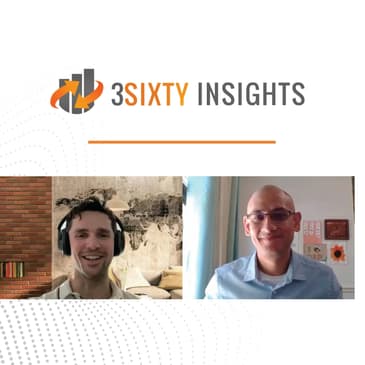
[00:00:00] Hi everyone, this is Dylan Taggart. I'm here with Campal Pradhan. He is a HR Thought Leader who's worked in a number of industries, entertainment, oil and gas, mining, and excernally HRTechGnowledge and HROps at CycneviHealth. Campal is a big fan of
[00:00:18] health technology works and can impact the employee experience. And he's one of the few people who knows how to connect the dots between HRTechnowledge and employee experience. Come all thank you so much for joining me and welcome to the 360 Insights HRTechChat.
[00:00:34] Thank you, Dylan, for having me and I have to say the work that you and the 360 Insights group are doing fabulous. We need that kind of insights for this industry especially in the HR and technology space and we'll excited to be here today.
[00:00:53] Yeah, thank you so much for having, having, giving us a pleasure to have you on here and you know, diving right into it. I think one thing you and I both kind of look at
[00:01:05] is kind of how technology impacts the employee experience and how things like data governance and the employee experience and payroll all kind of tie into that in their own way. You know, you've said in previous conversations we've had that HR is becoming a lot more
[00:01:27] than just keeping the lights on. You know, from an employee perspective, you need to build that trust from day one and it's more but from a large, the perfect, a larger organization it goes
[00:01:42] kind of beyond that it goes into how that trust leads to retention, leads to better performance and effort you say that whatever you can do to step up your game as an organization is kind
[00:01:58] of the new normal. It's not just doing the basic functions of keeping lights on. It's more than that. Do you mind telling people a little bit about your thoughts on that and how you came to that conclusion? Sure, Dylan. It's an interesting one right because
[00:02:18] let's list technology. You know, you want to go to your favorite restaurant right? But let's take even a step back. Why is it your favorite restaurant? Maybe it's just because of the food or
[00:02:30] the way you feel when you're dining there, the way the experiences from the time you get in, you know, the way you're being welcomed, the way you're being served and the way you're able to
[00:02:46] really have a refreshing moment in that space right? So a number of factors play into that and you can just say, well the service was served was great and then that's why it's my favorite
[00:03:01] or just the food was great. It's a combination of different factors and why is it so different in the place that you work? It's that can you really function in a way where
[00:03:16] you know, you can get you worked on in a very positive space and at the same time once you are off work, you're not thinking about it anymore and you have the liberty to do that.
[00:03:33] Right? Completely pulled off and all these things matter quite a bit, especially when it comes to workplace, you know. And you want to also be able to tell your friends and family say, yeah,
[00:03:46] I work at a place where you know, I have a team of good leaders and where I have a path to growth. I know exactly, you know, the basics of what I get paid where I stand, how the benefits are.
[00:04:06] I don't have to worry about all those things because they are work seamlessly. But what really excites me is that, oh, you know, two years from now I have so many options and there's a path.
[00:04:18] The company is really invested in me and the leaders and HR functions come together to create that, so it's ultimately the employee experience that matters, you know. And based on that narrative I am actually bringing other talent that I know, right? I'm being the ambassador and how
[00:04:42] we create that is through the experience and experiences enabled by the technology and all bringing all those together, the HR function, you know, with different parts within I would say recruiting and talent and learning, you know. And the HR tech coming together
[00:05:12] is what makes it a, you know, a challenging case and why you should invest in this kind of system, right? So I'm very passionate about this. You know, I can go in four hours, but let me
[00:05:25] pause right here and kind of share the mic back to you. No problem. And if you go for, you know, the 30 minutes that's all I tell you, that's all, that's all, that's all, that's all I'm
[00:05:39] over here. So, but yeah, it kind of circling back to that principle concept of stepping up the game. You know, this kind of concept of empathy that I've heard you mentioned in the past, empathy
[00:05:56] that goes with action, which I think is one of the most memorable things, you know, in our previous conversations that you've said, you know, one thing that really stuck with me from the first time
[00:06:09] we talked was you said, the companies that kind of thrive in the next 10 to 20 years are going to be the ones that take the best care of their employees. I which I thought was kind of surprising because
[00:06:22] for a long time that really hasn't felt like it was the case. It felt like the kind of the move fast and break things was kind of like the trend of the pre COVID-21th century it felt like
[00:06:34] like the disruptor kind of method all, you know, kind of way of thinking which I think is still important. But you can't do that at the sacrifice of your employees where they feel like you're
[00:06:49] not really looking after them and they feel like they're just part of that destructive, moving fast and breaking things process where they also kind of can be disposed to the way side. And do you still feel like going forward? Companies are, how do you feel like going forward
[00:07:12] companies are starting to take that the hard or are you seeing a change in the way companies are managing and their people or leading their people? I can't really speak, you know, because
[00:07:24] I think their company is who do that really well, you know, and their companies were in that path. And there are companies that are struggling right and I think there's a combination of the
[00:07:36] right strategy and bringing the right folks from HR business and how do we make that happen? It is something, you know, I firmly believe in, you know, that organization should be able to
[00:07:51] focus on if they do want that projectile growth right. I'll take companies like Netflix and then video, you know, we've got success stories that really stem from HR and people and culture, right? So
[00:08:04] overall I truly believe that we have some good examples where they've done that. But let me define what I mean by empathy with action, right? So you have, you know, a people leader that
[00:08:18] you, you know, you report to and, you know, there's that human experience that day to day where, you know, if you have something concrete that, let's say you want to get a certification or you
[00:08:33] want to go to an external, you want that help from the, from leaders, right? That people leader alone isn't responsible, you know, it's a 50, 50 between you and that person. But at the same time, is the organization really setting up, you know, we've had the $5,000 of tuition reimbursement for
[00:08:53] number of years, you know? But there are concepts of student debt repayment and things like that, right? How are we making all of those things work to enable that leader and the employee, right,
[00:09:05] to make that happen? So now you're not the leader's not just empathizing with your saying, well, I really hear you. I hear that you want to grow and hear the path. Well, I hear that you've
[00:09:16] brought a debt, you know, in terms of student loans and things like that, our company has really good programming. You know, here's what you can use, right? So there's action with empathy.
[00:09:26] Another one I can give you an example is, you know, HR function, right? We are always saying, oh, you know, we want to make sure people are getting paid right. Great. Okay, we did it.
[00:09:36] What's next? Are we just going to continue to keep that? Yes, that is a given. How do you step up and how do you empathize more? Is that there's always this, you know, ongoing table, let's
[00:09:48] using the example paid loans, right? People have to wait two weeks a month or, you know, depending on what the company has really set up in terms of the pay frequency, right? Now, if you're a
[00:10:02] low income family, you know, and you're waiting two more weeks and you need that groceries to be bought, you know, today tomorrow, right? You're going to pay the loan and, you know, kind of doing everything
[00:10:15] you have to make ends meet, right? So the concept there's a concept of an earn-ways access, you know, a lot of states are kind of adopting that and you work with the payroll vendor in this third
[00:10:26] party, like I'll use examples like, you know, daily being in their, ultimately, you know, who do that? What it basically does is it enables that payment that paid to be accessible for the employee early
[00:10:40] on. You don't have to wait till that paycheck date, right? So now you've done something, you know, more than just empathize with your workforce. You've actually enabled them to have access to their wages faster and that actually prevents them from having to go get into these high
[00:11:00] interest loans, right? And these are the things I'm talking about. Being a tolerator is great, okay, you have great thoughts, you know, but how do you make that work? And I think that passion comes from,
[00:11:12] you know, for me personally is I actually am on the field doing that and then I want to kind of share more of this for, you know, employers, HR functions and then really elevate the role of HR
[00:11:27] technology that touches payroll benefits all that and bring this new normal that you talk about. Yeah, it's interesting as you were saying that to think about how kind of far we've come in terms
[00:11:43] of the way, even just pay it in the employee has changed like the relationship between pay and the employee, you know, where companies still do and previously have paid on by weekly. It's pretty
[00:11:57] common but for a lot of workers who don't let's say don't make six figures or even don't even make, you know, 50,000 plus a year their pay is become the need for their pay is become a lot more
[00:12:12] immediate. I think that just seems to be the trend like you work, you get the money right away, you work, you get the money right away. It's interesting that like in and it's only through
[00:12:21] technology that really you could do that. Obviously in other industries, you know if you're working construction or something at the end of the day you get paid out cash or other jobs, but even for more corporate, you know, businesses that are more have a more like traditional corporate
[00:12:39] structure. You're seeing people maybe in more entry level or part-time capacities being able to access their money right away, which is an interesting change that maybe was coming on the horizon but that demand for it seems to be bigger than I think most people probably envisioned.
[00:12:58] And do you think that's going to be something we start to see more of? We think that it's reached its growth potential, do you think it's going to start spreading into other industries
[00:13:12] where people are going to want their pay like right now. I don't want to wait two weeks like you have to have the on demand. I think to avoid the payday loans that you mentioned but also just
[00:13:24] as the economy changes and as people spending I guess, spending habits change is it good? Do you think there's ever going to be a future where the new normal is on demand pay or
[00:13:36] we still get a stick to that kind of benchmark of it. If that's an interesting question, Dylan, I think that I definitely see that we are moving in that direction right? It's just, you know,
[00:13:56] access to information is so easy these days right and it takes one stick to implement that and one organization, you know, the vendors who really are proponent of AWS or in these access, you know, are definitely doing that. I think it's going to take some time to really
[00:14:17] kind of get that measures, because everything like anything that's new definitely takes a little longer but with the technology moving, tenfolds right? Yeah I would really say that that's the direction we're headed if we think about frontline workers right? Because you know
[00:14:42] we talk about inflation quite a bit and you know we're dealing with a lot right now and in a whole it is, you can't just think of a pay as one separate element right? You know it's a whole
[00:15:01] compensation package where you are provided benefits. You know you're provided tuition reimbursement you're provided bonuses in some cases there's employee stock purchase plans and then the operation piece that you're not talked about is having access to that sooner. So
[00:15:26] it really depends on, you know, it's really between employers and these vendors to really bring it up there, you know? I think from employee persuasion list you're far of that great organization
[00:15:37] where it's already been implemented you can probably share that so I think it's going to take a little bit longer but I just feel too sad in one sentence it's a matter of time. Interesting
[00:15:51] and I think you know talking about digital transformations kind of as a whole and kind of organizations that are investing in new technology causing a digital transformation within the organization, you know people still want to be paid on time and accurately while it's happening
[00:16:09] exactly. And I think and you've made the point previously where you know the ecosystem is not just the platform it's kind of the end to end experience and could you talk a little bit about that and how, you know companies maybe investing at technology
[00:16:30] should maybe pull back a bit and realize that this one product isn't going to solve all their problems it's bigger than that and if you think that maybe, and if you think that way you're probably
[00:16:41] already behind the competition in the way. Do you mind talking on how companies that take the approach where it's more of the end to end and and and great user experience and
[00:16:56] integrations with other technology and how how that leads to a better outcome or can lead to better sure that's a great question to learn and we use transformation so loosely these days where a digital transformation you know what does that truly mean like it's subjective you know with
[00:17:16] depending on different industries but a lot of times I see the biomarker right you buy a great product and you know you hope and expect that this product's going to fix all of our problems from
[00:17:31] you know the retention to talent to forecasting what not right so when I say transformation especially let me go even further digital HR transformation it truly means that technology or product is just
[00:17:50] one perfect you know I'm talking about an N-T-N from the time we decide oh you know what you know let's let's talk about share services like finance IT HR we want to add 10 more
[00:18:06] head counts based on the cash flow and you know and the P&L finance and FB&A team will say you know what you've got budget for these 10 head counts right and based on that number the hiring
[00:18:27] manager and recruiting team and HR come together and it's okay let's go out there and recruit you know and you start so I'm just talking about the back-in process right so it's start putting the requisition out there there's a range that you have to get these people under
[00:18:43] and then there's you know once you find the right candidates you go through the offer process you try to get them in the mid-range obviously no one wants to overspend right and once you go through that whole
[00:18:55] you know offer letter and background and dispersion stars you don't want part of it right so your projection of what you could hire you might have been in that range so you spend extolors to hire you know these number of employees and once they start there's an ongoing
[00:19:16] payroll cost and you know and there might be other expenses there and there's benefit expenses right all that costing you know from a payroll system once you hire them frozen to GL and and then finally
[00:19:30] it's stuff you know the finance systems for forecast and planning to say yep this is where we are this is a very simple scenario right from a back end to say we are kind of upgrading here's our
[00:19:44] dollars for our talent and for all of that work you need an enterprise resource system that is very robust that talks to each other within the technology side and also enables the folks within those functions to be able to go through that workflow right so there's that piece
[00:20:04] when it comes to transformations that tool has to be there there needs to be synergies there needs to be work for between these different you know or functions and the the different
[00:20:15] handover right from HR to IT to payroll and finance right and then the other side of this is what all of this is happening like think of a cruise ship cruise ship you know where you know
[00:20:29] everyone in the cruise the deck is working you know behind the scenes and then you have the employees onboard right so I'm not saying they're here to chill you know like in a cruise ship but the first
[00:20:44] first few weeks they want to have that optimal experience right and obviously not just for the first few weeks but ongoing but those few weeks are critical right a lot of the turnover you see is within the
[00:20:55] 30 to 60 to 90 days that's where the highest turnover happens and you know so let me use myself as a candidate you know I applied to a job it was instant I could do it within two minutes
[00:21:08] using my phone you know and it only asked me things that relevant to me right so there's a talk or process that recruiting HR team you know HR function have done using the technology to enable
[00:21:21] that optimal candidate experience right I just applied with the two minutes and done it went through the process flowing you know and the the recruiter has reviewed everything enable the system
[00:21:36] enables recruiter to say all right I'm going to send him to the hiring manager and few other you know interviewers and they recruit I did go through the interview process right and there's a scoring
[00:21:49] system so it's all done you know optimally and the candidate saying over my first touch point was application portal right the ATS and the second touch point was a human experience right I had to just
[00:22:03] interview two people and then I knew exactly where I was you know in that workflow as a candidate and then the next one is a final interview and I'm done right and I get an offer lever
[00:22:16] I sign using a doc you sign this is use example it was seamless and then once I accepted the offer I went to a bunch of you know a pre-boarding and onboarding activity which was like it took me
[00:22:28] maybe let's just make it between 30 minutes to an hour to go through all of that I nine checking for me that was very seamless I didn't have to really go out of my comfort zone right and
[00:22:42] the way I used LinkedIn that was similar where I could tell this company is really you know I had an on part of the digital I would say ecosystem right and then my first day
[00:22:59] maybe I have a buddy right that the company has where I could ask a lot of questions beside the system side of things and I'm learning about the company more I'm learning about the job more
[00:23:11] that kind of setup is an on-boarding tool and a learning tool that provides where it gives you a company of a view maybe a personalized video from here CEO or your you know senior leadership team
[00:23:24] and then once I start within the two weeks I enrolled in my benefits very seamless experience I get paid you know if I started mid-week I still got paid for those three days right it really
[00:23:37] gave me that experience and then I was able to get my devices on time and I was able to work get my work started learn about that within the first few days now the productive went productivity
[00:23:51] went up right because I'm not focused on I don't know where to where I get my you know pay or when I get my pay all of that has been taken care because that transformation work has has been so
[00:24:04] well thought and been you know implemented in that way focusing on the back end and the front end right that that enables the functions like HR to work well and then provides that optimal employee
[00:24:17] experience for for the employee that's what transformation is about you know and then further down the road 90 days there's a check-in right so we're not saying technology should replace everything we're saying that it isn't enabled and now we're really in enabling the HR functions and the leadership
[00:24:37] to have the the growth and productivity conversations rather than focusing on did you put your time in you know did you prove it and I was just a lot of those I was in the not trying to
[00:24:51] see you know and tactical things and transaction things can be automated right so that's in a nutshell for me transformations all about the growth of the company while not neglecting the growth of the
[00:25:09] employees and the talent right so it's a win-win for both so let me pause here you know I always say that this is a topic I can go for hours and hours but yeah that's where we are today you
[00:25:23] know and then AI will definitely enable that so yeah that makes a lot of sense and kind of going into that ecosystem a bit further specifically for a group of individuals or group of workers that we both
[00:25:39] find interesting which is you know front line workers with like a typical or desk-less environments I've know you've done some really interesting work in those industries you know you have to assume
[00:25:52] that they're not in front of a computer a good amount of their time so how does that change the way you approach this because it is you know and sometimes it's not on one size it's all
[00:26:03] solution for every company but especially in these industries and I know you've you know in mining and some of the other industries you've worked in how did you kind of deal with those challenges retiring into what you just mentioned I think the fundamental thing there is the business
[00:26:20] act human do you really understand the business right even if you're a child if you need for your HR tab or that is that is the key thing so I'll give you a very specific example so the
[00:26:31] mining company I used to work for had a had a key problem from front line workers and even actually our desk that's population right and let me define the problem so there were a lot of
[00:26:45] grievances that came in from the union where the miners as they went down to the mine and did their work clocked in clocked out doing the paid it would say you know what actually I was
[00:26:59] there at 8 a.m. and I clocked out you know 5 p.m. you know with my lunch break I still feel like the pays is inaccurate right and so we hack to really investigate is it like obviously you know there's
[00:27:15] some truth to it but what what when wrong right so normally you said at a desk you talk to the HR business partners and folks at the site this but in this case actually I went down there you know
[00:27:31] and met with the HR business partners and then obviously you know they gave us a tour and it was not like oh you was from exciting to it was but it was also really doing the static exactly
[00:27:41] what do they go through in a days cycle right so folks who had implemented you know in the beginning didn't really not every implementation goes 100% right so when I was going through that process
[00:27:52] there's a safety training you have to go through and then you gear up you know to take the elevator like it's a mild deep right and it's a different world down there in the mine you know and this
[00:28:03] I'm talking about salt mine right not a coal mine and as you're going through all these processes you know when you clock in there sometimes where things could go wrong the elevator stuck or there
[00:28:16] anything can happen right at the production plan and so your clock in time doesn't really reflect the true time there's always this extra few minutes or sometimes 10 to 15 that is unaccounted for but the employee's there you know right and what we were able to do is get a
[00:28:37] buying from the leadership work with the union and say look we totally get it there is a buffer time you know that we have to put in and with that alignment we kind of said as long as you
[00:28:50] log in let's us say you logged in at 10 15 will round back to 10 a.m. right so I'm just using that hyper the liver that's what we did so that now we started that vivences and the issues log went down quite a bit and employees were happier right because
[00:29:10] that 15 minutes add up you know a day a week a month you know so that was one and then same thing for our desk population right especially who are hourly folks
[00:29:22] they say yeah I would log in but the computer didn't start so we couldn't you know they didn't have as many issues as our frontline folks at the mind did but we still had to do some kind of
[00:29:33] rounding rule right so there's a very specific tactical example that we saw through technology and alignment with the business but we have to know exactly what was going on so great here we thought later you know but thought leadership is not going to do everything right you still
[00:29:49] have to be able to execute on that so this is a great example where you know I think that we play it's not just keeping lights on keeping the right lights on you know for the right time
[00:30:02] so yeah this is one of the examples that Dylan I have and you know understanding the business seems to be kind of a critical part of it and I think that you know given that you know very unique
[00:30:22] example of kind of you know you understood the business enough to go there in person and respect it enough to go there in person to really witness how it works for someone actually doing
[00:30:33] the job which I feel like is if you're trying to do all the things you mentioned before like have empathy and kind of meet the workers were there at then you literally need to go and meet
[00:30:43] them or they're at sometimes and I think that part of it is can be missed on some people and tying that into technology you know making things that making sure things are mobile based
[00:30:58] in practical I feel like is something that I thought a lot about you know having talked to other other thought leaders in the industry and also done some of these jobs myself when I was younger is sometimes the technology just really doesn't apply
[00:31:16] nicely into the industry and you know it takes someone like yourself going down there or someone with the experience you know firsthand to go down there and kind of tweak it all so it does actually
[00:31:32] interact you know because it is just the middle man so it's like it you know it should interact with the employee well and it should interact with the organization well so both are kind of happy
[00:31:45] do you feel like a lot of other any specific solutions you feel like are really nailing that and kind of creating a ecosystem for frontline workers that doesn't really waste their time
[00:32:00] and let some focus on their job I you know honestly like this is a question I don't have a very clean answer right because there are good technologies like so in this particular example right the
[00:32:15] the miners who were going in they had a badge and the badge swipe was you know using it we used a clone which is ultimate group right now you know you're catching all combined so basically the
[00:32:29] clock is there and you just swipe your badge and then it you know and put your timing they're really good tools and products out there right it's really depends on how you implement it you know and I really think that it's more than the product it's the implementation
[00:32:52] and the implementation that's built around the business needs and not a very standard vanilla one right so yeah work days are good product you know or goes good product too you know but
[00:33:05] not everything's going to be one size fits all right you you may have a I want to say we use greenhouse as a T.S. I've used that I've used a tale you know
[00:33:24] for attracting the newer talent and the younger talent right and not like every age range but especially like the tech savvy one they will prefer the quickest way to get on the fastest way
[00:33:38] right so there are some products on the H.S. side they've done a great job in some or lagging behind but I think that if you have a big ERP you know product like Oracle it's good for you know
[00:33:52] a mid-sized to bigger company for a small company you know use this everything is the right one for us right and you could probably go with high-bop you know or you could go with you know ultimate
[00:34:04] software right so I think that age really depends on the business you know and how we implement it yeah sure and kind of talking about like you do kind of tension like onboarding
[00:34:19] which to me is kind of more retention begins you know I think I've heard you talk about talent mapping early on in focusing on kind of promotion ladders do you mind talking a little bit about that um so there's there's this window of opportunity for every organization when
[00:34:44] when we hire people no one has a crystal ball right but if you have enough data you're kind of closer you know so what would do I mean by that so you're you're hiring a group of talent for different roles
[00:35:00] you know um doing that process you gather what their academics is what their skillsets are you know all the different things you have it helps you to get that in right during the initial application
[00:35:14] and then during the onboarding piece and then during the first 30 days or six days 90s you could kind of time in you have to you have a way to get feedback from them right to say how was
[00:35:26] they onboarding experience what did they like about it you know did they have the right human experience did they have the right system experience right you know and not they you know did they
[00:35:37] feel well correct so there's all this combination that you can get through data capture it and from here let's focus on talent because that's where what you ask me right you can kind of see
[00:35:50] what their aspirations are to two years from now I came as an intern in an engineering role I truly want to become a product manager so they're already telling you what they where they want
[00:36:02] to be right and you have a way you when I say you as a HR function within and the talent function to say we're actually going to need two or three more product managers you know within a two-year
[00:36:16] roadmap and you have a talent for who kind of you've hired because of what their qualifications are and then you also have a way to build that right so having all these data points and say
[00:36:28] are here's a roadmap you enable the leadership to say look you always have the option to hire extraordinarily but hiring internal is great because you know that enables your traditional or would say knowledge you know I would even say tribe and knowledge within your company to stay
[00:36:47] within the company right and so tell us what you need you know you can you can have the hiring managers and people leaders of these employees is a this is what you need this is where we're
[00:37:00] going to give you and have that dialogue right and then work with that employee to say six months from now here's a development plan as you continue work here is a certification you could take
[00:37:10] we're going to provide you that a year from now you know so these are the x-y and z-y like a step you know career ladder and mapping and then also the compensation that aligns with that you know
[00:37:21] and you don't have to pay top dollar to again recruit that's extra dollar spent right you know that can be avoided so I think those are the things you can do and that window of opportunity
[00:37:33] is within the first thirty to ninety days to really make them feel welcome at the same time get that info from them and so this is why I'm talking about from an onboarding and you know experience and
[00:37:45] developing talent. Thank well listen come all thank it's it's been a great talk today and I really appreciate you coming on I know you could go on for quite a while and some of these subjects
[00:37:58] so I appreciate you being able to explain it so succinctly it's you know these are very in-depth subjects but you all you all you know the way you talk about them all really helps it come off very
[00:38:13] clearly which is great to hear just before we wrap things up is there anywhere people can reach out to you if they have any questions I know you're kind of active on LinkedIn yes LinkedIn is the best
[00:38:24] place you can just search for Camo Pradhan you know and you'll see me and you know I'm happy to engage in conversations and provide any help ultimately I would say is you know everything that we do
[00:38:37] is to make world a better place right make our community a better place make our workplace a better place and we are doing our part through each our technology and operations and HR together um and that's
[00:38:49] the goal right having the best shiny technologies not the goal it's in the neighbor so um that's the message that I would want to leave and you know Dylan I also want to thank you for doing all
[00:39:01] the excellent work that you and Nick and others are doing and you know providing a 360 experience and I love the name 360 insights right is we need that from a vendor or solution perspective from a career mapping perspective every single aspect that touches HR and workforce management right
[00:39:22] you you and the team have been doing that and I just want to say thank you for that. I really appreciate it and thank you again so much for coming on and look forward to having you back
[00:39:32] on in the future pleasure pleasure being here take care bye everyone
Sponsors
