
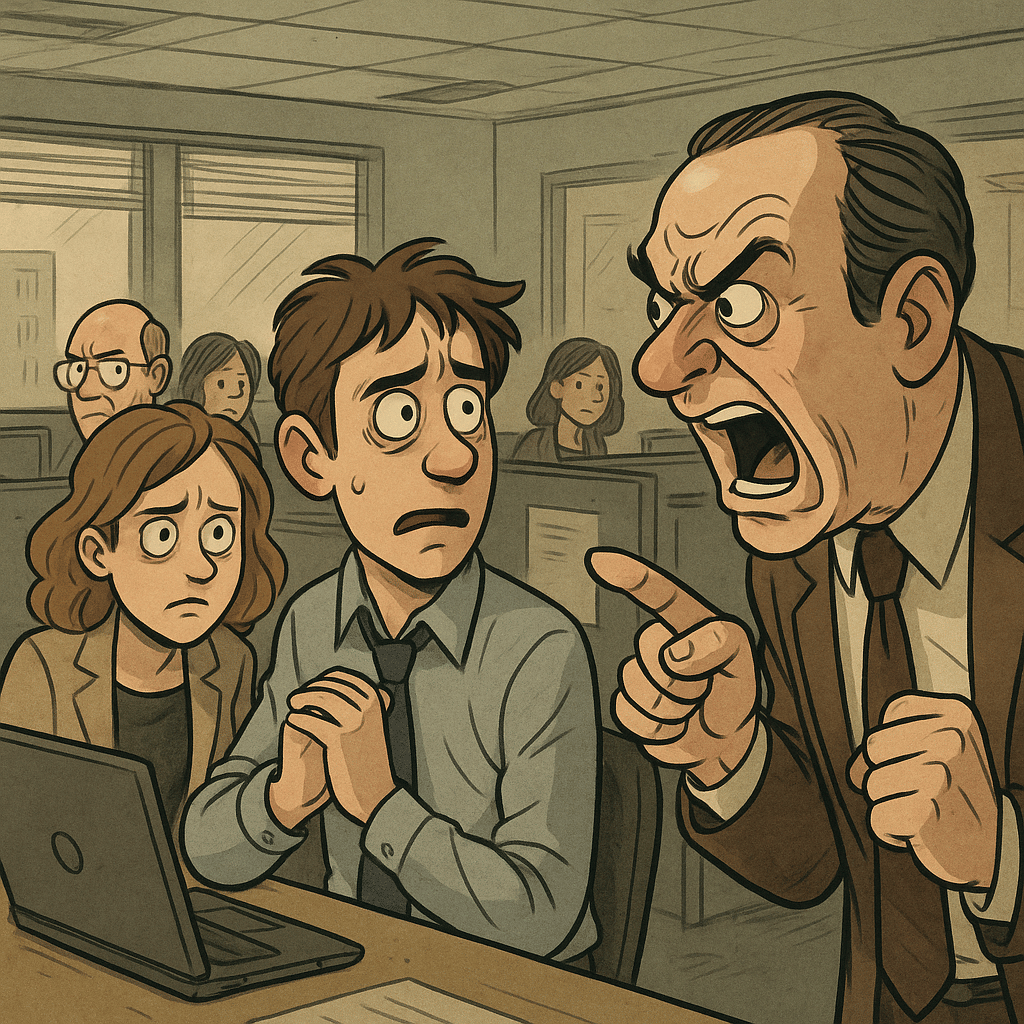
Let’s start with the obvious: nothing happening in the workplace right now is new. Not layoffs. Not disengagement. Not even corporate America suddenly “realizing” employees would like to leave work without dodging bullets. Every cycle we act shocked, slap a new name on the problem, and recycle the same HR playbooks that never worked in the first place.
The only real difference today? We have traded PowerPoint decks for LinkedIn carousels and pretend that is progress.
Workplace Safety: From Triangle Shirtwaist to TSA Checkpoints
If you think safety conversations started with “active shooter drills,” you are missing a century of receipts. In 1911, the Triangle Shirtwaist Factory fire killed 146 workers after managers locked doors to stop theft. That one tragedy forced labor laws onto the books and made safety an HR issue before HR was even a profession.
Fast forward. Asbestos in the 70s. Post-9/11 security checkpoints. H1N1 hand sanitizer dispensers in every office lobby. Every crisis creates a moment when safety suddenly becomes a leadership priority. Not because executives wake up more empathetic, but because lawsuits, regulators, or insurers force them to.
Today the headline is gun violence. So now companies are rolling out “active shooter policies,” beefing up corporate security, and issuing statements about employee well-being. But the play has not changed. Safety only becomes a board-level issue when the liability shows up on the balance sheet. Until then, it is a laminated poster in the breakroom.
Lesson learned? HR does not lead on safety. It reacts. Always has.
Layoffs: Same Excuse, Different Decade
Layoffs spiked 140 percent this year, and executives dusted off the oldest trick in the book: blame the shiny new thing.
2001 dot-com bust: “The internet was a bubble.”
2008 crash: “The economy collapsed, who could have known?”
2025: “AI took your jobs, not our strategy.”
History says otherwise. Most layoffs are not about innovation. They are about panic. They are about a CFO buying a few quarters of stock price by gutting the payroll. And every time, the same companies that cut thousands turn around and quietly rehire months later with different titles and shinier job descriptions.
The graveyard of bad HR decisions is full. Yahoo slashed staff before buying companies it could not integrate. Sun Microsystems cut relentlessly until Oracle scooped up the scraps. Twitter fired engineers, then watched its infrastructure melt during a World Cup traffic surge. None of these were “strategic resets.” They were self-inflicted wounds dressed up as discipline.
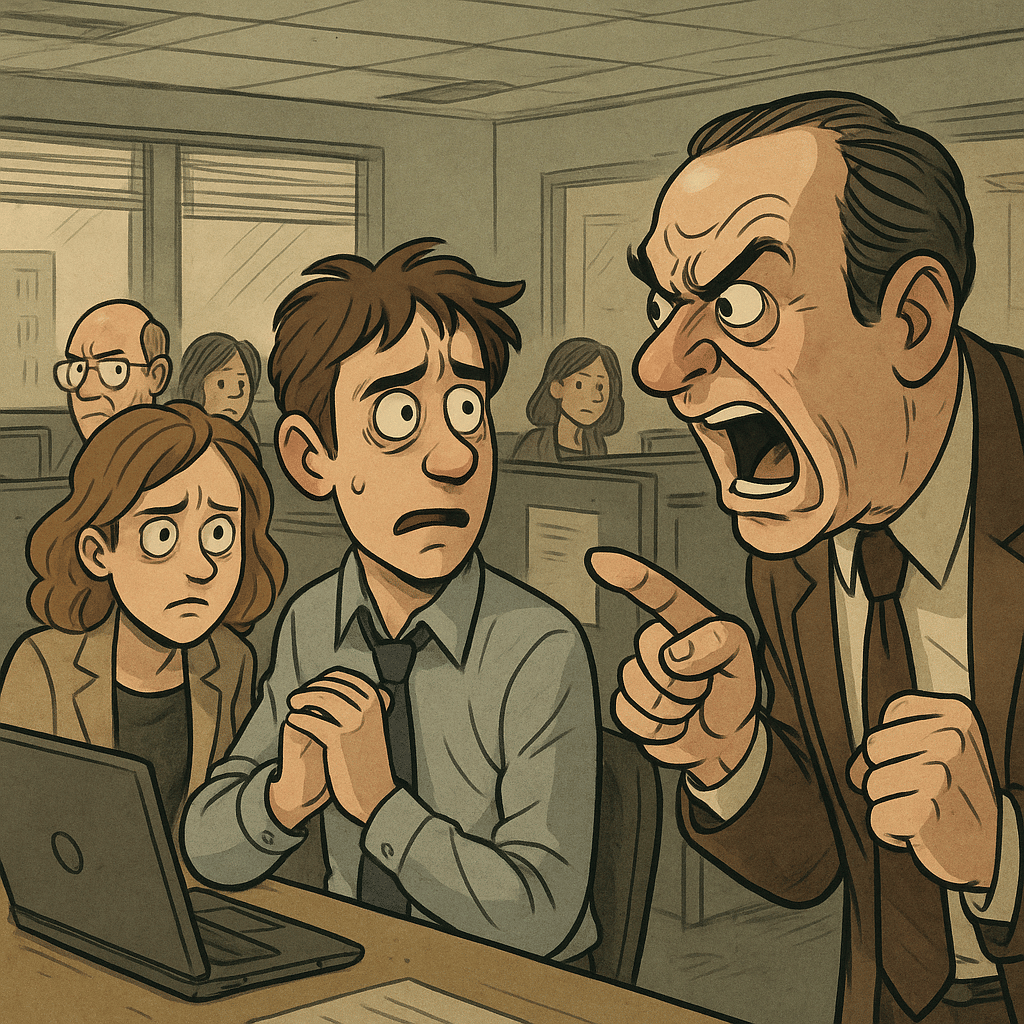
And here is the kicker: executives almost never admit what is really driving the cuts. Bad bets. Overhiring. Chasing growth targets they could never meet. In the 80s, conglomerates used layoffs to polish balance sheets before hostile takeovers. In the 2000s, startups trimmed “fat” before going back to VCs for another check. Today, AI is the perfect scapegoat. Futuristic, scary, and vague enough to explain anything from cutting recruiters to gutting engineering.
The pattern is obvious:
Meta bragged about “leaner, faster decision-making” while quietly rehiring contractors six months later.
Google froze entire business units, citing AI investments, while backfilling senior roles at higher comp.
IBM made headlines about replacing 7,800 jobs with AI, then posted thousands of new openings in different divisions.
It is corporate sleight of hand. Shuffle jobs around, blame technology, and hope nobody notices when the headcount sneaks back under a different cost center.
But people notice. Employees notice when trust collapses. Investors notice when the product breaks. Customers notice when the service falls apart because the institutional knowledge walked out the door. Layoffs are not just a financial decision. They are a brand decision. For every efficiency slide on an earnings call, there is a viral LinkedIn post, a Glassdoor review, or an engineer telling the New York Times why the guts of the product no longer work.
So when executives say “AI took your job,” what they really mean is “we miscalculated, but we would rather you blame the robots than us.”
Robots do not plan budgets. Robots do not overpay for acquisitions. Robots do not promise margins they cannot deliver. Humans do.
And workers are not buying the story anymore.
Which Gets Us To.... Quiet Cracking
Better known as disengagement with a round of PR to brighten the future. Quiet quitting was TikTok bait. Now we have quiet cracking. It sounds fresh, but it is just employee disengagement with a new hashtag.
Gallup has tracked engagement at around 30 percent for two decades. The line barely moves. What changes is the spin. We went from burnout to presenteeism to quiet quitting and now quiet cracking. Different name, same problem: people are doing the job, but they do not care about the company anymore.
The difference today is visibility. Slack leaks, TikTok resignations, viral Glassdoor reviews. Disengagement is not whispered at the watercooler anymore. It is broadcast in real time.
And it is not abstract. Wells Fargo employees gamed incentives until they were opening fake accounts just to keep their jobs. That is quiet cracking at scale. Amazon churned through warehouse workers so fast it studied whether it was exhausting the labor pool in entire towns. That is disengagement with a body count.
Quiet cracking is not a cute buzzword. It is a warning signal. Companies think it is invisible because productivity metrics still look fine. But you feel it everywhere: ideas dry up, innovation slows down, reputations rot in the market. That is the long tail of leadership decisions employees stopped believing in.
What This Really Means
Workplace safety only rises when lawsuits, regulators, or insurance bills force it. Layoffs are not efficiency. They are stagecraft for Wall Street. Quiet cracking is disengagement rebranded so consultants have something new to sell.
Strip away the packaging, and none of these problems are new. The only difference is they are harder to hide. Employees have the receipts, the platforms, and the audience. The story does not belong to executives anymore.
So the question is not whether work is broken. It is whether leaders will keep pretending they are not the ones breaking it. History says they probably will, at least until the next crisis forces another round of the same tired playbook. The cycle keeps repeating because it works just long enough to protect the people at the top.
And that might be the most predictable part of modern work: employees always pay the price first, and leaders always call it strategy.
