
What happens to your mental health when your job disappears or when you're too burnt out to stay?
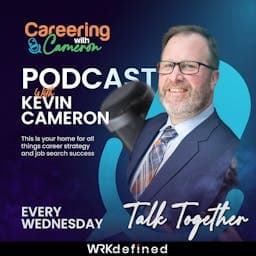
In this episode, Kevin Cameron sits down with Steph Gillies, resume writer, interview coach, and career development speaker, who brings a rare combination of lived experience and professional expertise to the conversation. With 37 jobs in 15 years and a background in social work, Steph has seen it all and she's not afraid to talk about the parts of career transition that most people are too ashamed to name.
From grieving a layoff to protecting your mental health through a long job search, Steph shares the practical frameworks and honest truths that her clients wish they'd heard sooner. This one is for anyone who has ever stayed in the wrong job too long or felt guilty for wanting something better.
Key Takeaways
Give yourself permission to grieve a job loss, even if you're relieved it's over.
The response rate for online applications is 3 to 6% — knowing the numbers protects your confidence.
Track where you're dropping off in the process: that's where to focus your energy.
Apply to five to ten jobs and network with three to five people per week — consistency beats volume.
Informational interviews are the most underused tool in a career pivot.
You don't owe a company loyalty it hasn't earned — accept the offer and keep interviewing.
Self-care during a job search means sleep, food and movement, not just bubble baths.
Episode Highlights
Why people stay in jobs they hate — and what it actually takes to admit it.
The three stages where mental health takes a hit: toxic employment, layoff shock, and the long search.
How Steph helped a banking director land a nonprofit director role in three months by rewriting her entire resume around volunteering.
The startup horror story: two people quit their jobs three days before joining a startup that then ran out of money.
Why the people closest to you are sometimes the worst advocates in your job search.
How to talk about a layoff professionally — and why "restructuring" is always the right word.
Timestamps
00:00 — Introduction and Steph's background
02:24 — The link between career and mental health
03:50 — Three stages where mental health suffers
05:19 — Admitting you're unhappy: the hardest first step
06:18 — Why people undervalue themselves and apply below their level
08:44 — The fear of making a change — and how to face it
09:40 — Informational interviews: the most underused career tool
11:09 — How informational interviews can turn into referrals
12:59 — Why you need to grieve before you apply
15:25 — What to say when people ask what happened
16:22 — Mental health through the job search
17:18 — The 3 to 6% response rate explained
18:15 — Building a fuller job search strategy
19:32 — Tracking where you drop off in the process
21:33 — Making space for yourself during transition
22:30 — Not everyone needs a dream job — and that's fine
24:17 — Structure: how to run a targeted, time-condensed search
27:27 — When you get an offer but a better role is still in play
28:25 — How to handle competing offers tactfully
29:23 — The startup story and why you must look out for yourself
31:51 — The wellness pillars that actually matter
32:39 — Steph's why
Connect With Steph
LinkedIn: https://www.linkedin.com/in/stephgillies/
Website: stephgillies.com
If you found this advice valuable, please hit subscribe, leave us a review.
Visit Talent Connect: Website: www.talent-connect.net
LinkedIn: Talent-Connect Kevin's
LinkedIn: Kevin Cameron PCC
Production Credit: Edited and produced by @the32collective_ / https://www.the32collective.co/
Powered by the WRKdefined Podcast Network.
Sponsors
