
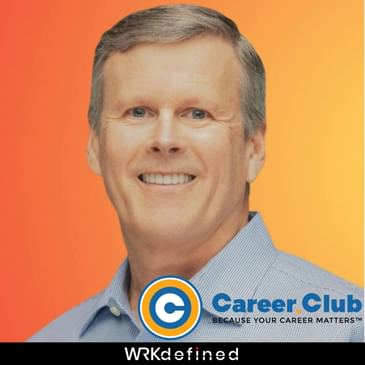
How do you conquer the corporate world while staying true to your emotional and empathetic self? Visionary leader Wagner Denuzzo, who transitioned from social work in Brazil to influential roles in major U.S. companies like IBM and Prudential Financial, shares his remarkable journey and the lessons he's learned along the way. Discover how Wagner's personal evolution shaped his unique approach to leadership development and emotional intelligence, and gain invaluable insights from his latest book, "Leading to Succeed: Essential Skills for the New Workplace."
Our conversation uncovers the often-overlooked facets of leadership—empathy, self-acceptance, and the balance between personal involvement and professional detachment. Wagner shares his strategies for overcoming societal challenges and conditioned beliefs, shedding light on the importance of clarity and understanding one's values. Learn how fostering a non-judgmental and authentic environment can elevate your team's performance and create a high-performing, empowered workforce. Wagner emphasizes the need for senior leaders to engage without emotional attachment, advocating for continuous learning and self-confidence as keys to effective leadership.
We also dissect the evolving dynamics of the modern workforce, highlighting the significance of building future talent strategies amidst technological advancements and shifting workplace demands. Wagner provides actionable advice on developing managerial capabilities, fostering self-managed teams, and promoting transparency in financial operations to drive accountability and innovation. If you're looking to understand how to create a sustainable talent management blueprint while navigating the complexities of distributed workforces and generational expectations, this episode is a must-listen. Join us and transform the way you think about leadership and the future of work.
Powered by the WRKdefined Podcast Network.
[00:00:00] [SPEAKER_02]: Hi everybody, this is Bob Goodwin and welcome to another episode of Career Club Live.
[00:00:05] [SPEAKER_02]: So glad you've taken a few minutes out of your day to join us.
[00:00:08] [SPEAKER_02]: Before we get started I want to encourage folks to step by career.club.
[00:00:13] [SPEAKER_02]: If you're in job search or know someone who is, click on the main banner right there on the homepage.
[00:00:20] [SPEAKER_02]: And register for our free Career Club Corner Calls every Thursday at 1 o'clock Eastern.
[00:00:25] [SPEAKER_02]: We share a little bit of content, maybe an insight, something that you would find helpful in your job search.
[00:00:30] [SPEAKER_02]: To them you opened up to 45 minutes of questions and answers about your job search.
[00:00:34] [SPEAKER_02]: It's free, it's always free and we would love for you or as they said,
[00:00:38] [SPEAKER_02]: if there's someone that you know and who doesn't these days,
[00:00:41] [SPEAKER_02]: who's in job search, just go to career.club, click on the main banner and register for our free weekly coaching call.
[00:00:48] [SPEAKER_02]: So that let me start to introduce today's guest.
[00:00:50] [SPEAKER_02]: I'm going to read this a little bit because it's fairly meeting.
[00:00:53] [SPEAKER_02]: And I think that children enjoy this.
[00:00:56] [SPEAKER_02]: So today's guest is Wagner de Nuso.
[00:01:00] [SPEAKER_02]: Wagner is a visionary leader, a claimed author in expert in leadership development.
[00:01:05] [SPEAKER_02]: Emotional intelligence in the future of work.
[00:01:08] [SPEAKER_02]: His latest book which we're going to talk about a lot is leading to succeed.
[00:01:12] [SPEAKER_02]: Essential skills for the new workplace.
[00:01:15] [SPEAKER_02]: Wagner's journey from Mr. Utses, the Latino immigrant in the US to a thought leader for Fortune 500 companies,
[00:01:22] [SPEAKER_02]: showcases his own personal resilience and creativity.
[00:01:25] [SPEAKER_02]: He has held significant corporate roles including head of capabilities for the future of work
[00:01:30] [SPEAKER_02]: of potential financial and vice-president of organizational effectiveness in cardiomy life.
[00:01:35] [SPEAKER_02]: His expertise in integrating emotional development and human behavior in leadership
[00:01:39] [SPEAKER_02]: makes him a sought-after speaker and consultant helping organizations cultivate inclusive high-performing cultures.
[00:01:46] [SPEAKER_02]: Today we'll explore Wagner's ideas on the future of work, human centered leadership,
[00:01:50] [SPEAKER_02]: and developing essential leadership skills in with that please join me in welcoming Wagner de Nuso Wagner.
[00:01:57] [SPEAKER_00]: Thank you so much, Bob. It's great to be here with you.
[00:02:00] [SPEAKER_00]: Career club is an essential place for people to be aware of yourself.
[00:02:05] [SPEAKER_02]: Thank you. We do share a passion for helping people and helping people fulfill their own dreams.
[00:02:12] [SPEAKER_02]: That's cool. Now, let's go ahead and get to know your personally here for just a minute.
[00:02:17] [SPEAKER_02]: It's just a few little icebreaker questions so we can know you a bit what is a human being.
[00:02:23] [SPEAKER_02]: Where are you born and raised? This probably easy place to start?
[00:02:26] [SPEAKER_00]: I was born and raised in Saint Paul, Brazil.
[00:02:29] [SPEAKER_00]: I came to United States at 22.
[00:02:32] [SPEAKER_00]: Next slide.
[00:02:32] [SPEAKER_02]: Only in 2022?
[00:02:35] [SPEAKER_00]: No. Add 22 years old age.
[00:02:38] [SPEAKER_02]: Yeah, that's okay. That makes more sense there you go.
[00:02:41] [SPEAKER_00]: What that was long time ago by the way.
[00:02:43] [SPEAKER_02]: Now just side note, if anybody that knows me even a little bit thing,
[00:02:47] [SPEAKER_02]: not that I love soccer or football, your national team is amazing.
[00:02:52] [SPEAKER_02]: I don't know if you're football, same at all, but I like for so far.
[00:02:57] [SPEAKER_00]: Thank you, of course.
[00:02:58] [SPEAKER_00]: It's part of the culture. It's part of our DNA. It's incredible, but very much.
[00:03:04] [SPEAKER_02]: It's just so you can't, you can't do the USA Day 22. Where'd you go to university?
[00:03:08] [SPEAKER_00]: Well, that's the thing. I finished college in Brazil.
[00:03:14] [SPEAKER_00]: And then I came to United States. I had to learn English when I came. I had no English, no money, no social support.
[00:03:19] [SPEAKER_00]: No plans.
[00:03:21] [SPEAKER_00]: So my career was this music.
[00:03:23] [SPEAKER_00]: And after getting to know the culture, getting to know the US in New York,
[00:03:28] [SPEAKER_00]: I went to NYU and I got a clinical social work degree.
[00:03:34] [SPEAKER_02]: Excellent. What motivated that particular degree?
[00:03:36] [SPEAKER_00]: Well, I think the, I understood the social needs of the populations that I was in touch with in New York at that time.
[00:03:45] [SPEAKER_00]: And I became very interested in volunteering through volunteer work in agencies, social agencies.
[00:03:52] [SPEAKER_00]: I became very interested in becoming a social worker, but then I became very clean and clean client because I went to understand deep
[00:04:00] [SPEAKER_00]: or meaning of what was happening.
[00:04:02] [SPEAKER_00]: So that's how I became a psychotherapist and I became an employee assistance program.
[00:04:07] [SPEAKER_00]: That's my journey into a joying leadership.
[00:04:10] [SPEAKER_02]: Okay. So what's you, Sarah? It's the next piece.
[00:04:13] [SPEAKER_02]: You talked about your career being a mosaic. Do you might be sort of walking us through just a little bit of where you started and where you ended up?
[00:04:20] [SPEAKER_00]: It is a mosaic and the river at the same time because you want to follow the privileges and you have to follow the opportunities.
[00:04:30] [SPEAKER_00]: Basically as an immigrant I came, I became an employee of restaurants.
[00:04:34] [SPEAKER_00]: So I was in the hospitality business if you can say it.
[00:04:39] [SPEAKER_00]: But basically I had to learn English, I had to become aware of how to navigate everything.
[00:04:44] [SPEAKER_00]: So as a social worker was easy for me to work in hospitals, then it was easy for me to move into employee assistance programs.
[00:04:52] [SPEAKER_00]: And I got to understand deeply what was impacting employees.
[00:04:56] [SPEAKER_00]: That was an incredible experience.
[00:04:58] [SPEAKER_00]: For six years I listened to people calling about their mental health issues, workplace issues.
[00:05:03] [SPEAKER_00]: And from there I said, I'm going to be on my own and I open my own consulting firm in New York to be a leadership development person, coach, a psychotherapist and a nature consultant.
[00:05:18] [SPEAKER_00]: That's when I decided to go into corporate environments to have the experience.
[00:05:23] [SPEAKER_00]: It's very important to have the creativity in how you architect your career.
[00:05:28] [SPEAKER_00]: So for me it was important to have that corporate experience and I just got a job at IBM.
[00:05:34] [SPEAKER_00]: And that story is very interesting because I knew nobody but I sent an email to someone there and somebody responded.
[00:05:42] [SPEAKER_00]: In three weeks ahead of job, it was an incredible experience there.
[00:05:46] [SPEAKER_00]: And at IBM I learned so much about HR about leadership development, transformations, global culture, intelligence, and emotional intelligence, leadership management.
[00:05:56] [SPEAKER_00]: And then I moved to start with hotels, they gave a greater potential than the different industry.
[00:06:04] [SPEAKER_00]: And then I moved back to IBM.
[00:06:06] [SPEAKER_00]: When I moved back to IBM was about transforming leadership there.
[00:06:09] [SPEAKER_00]: It was amazing.
[00:06:11] [SPEAKER_00]: And then I found the first ever title of Head of K.P.A.B. for Future of Work.
[00:06:18] [SPEAKER_00]: Nobody had that title in the same way.
[00:06:20] [SPEAKER_02]: That's a head of the curve.
[00:06:22] [SPEAKER_00]: In 2019 was, so I said of course I take it and was fabulous because we built incredible capabilities.
[00:06:28] [SPEAKER_00]: The potential.
[00:06:30] [SPEAKER_00]: And since then I decided to write my book with my experiences and help people really understand what's required for the future of work.
[00:06:39] [SPEAKER_00]: And I've been on my own for a year now.
[00:06:41] [SPEAKER_00]: It's amazing.
[00:06:42] [SPEAKER_02]: Excellent.
[00:06:42] [SPEAKER_02]: So I'm going to unpack the book in just a second.
[00:06:45] [SPEAKER_02]: But before we do that, when you're not writing books and consulting and stuff, what do you do for fun?
[00:06:52] [SPEAKER_00]: Well, for fun I have a horse.
[00:06:54] [SPEAKER_00]: I do horse back writing three times a week at least.
[00:06:57] [SPEAKER_00]: I do yoga five six times because I do believe that so important is a ability to connect the dots and create a habit.
[00:07:07] [SPEAKER_00]: You know we talk about habits in leadership.
[00:07:10] [SPEAKER_00]: It's important to have some rituals, habits and routines.
[00:07:14] [SPEAKER_00]: So I spend a lot of time with my horse, my animals, my partner of course.
[00:07:18] [SPEAKER_00]: And I love yoga yoga has balanced my spiritual emotional physical needs.
[00:07:26] [SPEAKER_00]: So that's very important to me.
[00:07:27] [SPEAKER_02]: I suspect we might talk about mindfulness at some point or something.
[00:07:31] [SPEAKER_02]: Yes, I'm just a conversation maybe.
[00:07:33] [SPEAKER_02]: So just to first of all, I love your background.
[00:07:37] [SPEAKER_02]: You know, I love the US was built on the back of immigrants and people willing to do hard work but also bringing different cultures.
[00:07:45] [SPEAKER_02]: So you have me an immigrant because I just think that that is what makes America special in so many ways.
[00:07:52] [SPEAKER_02]: This this fabric, this quilt.
[00:07:54] [SPEAKER_02]: You know, so many cultures experience this perspective and I know that diversity and inclusion and things like that are very key to as well.
[00:08:04] [SPEAKER_02]: But just starting at the highest level, Wagner.
[00:08:07] [SPEAKER_02]: You know why this book and why now?
[00:08:12] [SPEAKER_00]: It's interesting because it came out naturally every morning I would sit down and write because I had so many experiences, so many influences of understanding,
[00:08:24] [SPEAKER_00]: understanding emotional development, understanding employees at all levels to be honest because I was talking to senior X.
[00:08:33] [SPEAKER_00]: But I was talking to individual contributors.
[00:08:35] [SPEAKER_00]: And I was very interested in knowing how can we help the new workforce enter the new workplace because even in 2019,
[00:08:44] [SPEAKER_00]: we are already sensing the future of work taking shape.
[00:08:48] [SPEAKER_00]: Now with the eyes, a total exponential discussion.
[00:08:51] [SPEAKER_00]: But to me it was important to start thinking, how can I help the new workforce understanding that actually they had to cultivate leadership skills from the beginning of their careers to be successful?
[00:09:03] [SPEAKER_00]: The premise of the book is that every single member of the workplace in the workforce has to cultivate leadership skills from the beginning.
[00:09:12] [SPEAKER_00]: It's a little too late when somebody is promoted to a manager to start thinking how to behave as a leader.
[00:09:19] [SPEAKER_00]: So to me, that was essential and then I said, my experience with the leadership development is that most programs don't work very well.
[00:09:27] [SPEAKER_00]: So let's simplify things. So I talk about leadership expressions because leadership doesn't exist in your house, exists as you express your behaviors or values or beliefs.
[00:09:39] [SPEAKER_00]: So to me, the three essential leadership expressions are consciousness, career, arts, and courage.
[00:09:49] [SPEAKER_00]: So those three things when you put together and discuss that you need to be successful, the book came out by itself almost.
[00:09:58] [SPEAKER_02]: Consciousness, curiosity, and courage. Yes.
[00:10:03] [SPEAKER_02]: So that's really interesting. Obviously we think in three, as we like things are in three, as a little reason it's my best friend so you have me at three, see.
[00:10:14] [SPEAKER_02]: But how do we think kind of boil down into those three pots? Maybe that's an interesting, interesting place to start.
[00:10:21] [SPEAKER_00]: Well, the thing is I keep thinking why it's so difficult to affect change in your organization.
[00:10:31] [SPEAKER_00]: Because actually, this is for us to tell people what to do. Think about all the recipes that we have all there for everything you can possibly think about.
[00:10:41] [SPEAKER_00]: We know what to do, but it's so hard to actually do it because the how to change our behavior, how to approach things in a non-judgment away, how to lead without having the imposter syndrome.
[00:10:56] [SPEAKER_00]: How to do it is the essence of good leadership, great leadership. So to me was maybe I can help people start thinking about how.
[00:11:07] [SPEAKER_00]: And that's what I do in the book, I think. It's really digging a little deeper into awareness, acceptance and action because without the middle one, the acceptance of the self we cannot move interaction is very good.
[00:11:24] [SPEAKER_02]: We start with that because this is a little bit of know-that-self. And sometimes I think that the self that people know they don't like very much.
[00:11:38] [SPEAKER_02]: Right? I mean, there's fear, fear, shame, anger, guilt. You know, and we see that so much of career club, right? I lost my job and I'm never going to find another one. I'm afraid.
[00:11:53] [SPEAKER_02]: I feel guilty because I'm letting people down starting with myself and my family. They're shame associated with that. There's anger, Wagner, if you know how unfair this was, I gave them 17 years.
[00:12:07] [SPEAKER_02]: Love of love, and not all, about having et cetera. And yet, they're struggling so much emotionally, psychologically. The self-narrative is really tearing them down.
[00:12:24] [SPEAKER_02]: So I love the fact that we start with self-awareness and kind of getting through, can you talk in the book and how you would help somebody think about those issues?
[00:12:37] [SPEAKER_00]: Look, I think you know, Bob, you do this well because actually you need to give space. The first thing we need to do is to give space for people to actually express what's going through their minds, their emotions.
[00:12:54] [SPEAKER_00]: In an unjust mental way, because I think the risk is you trying to help people and pushing them into a solution before they go through the process of expressing themselves.
[00:13:08] [SPEAKER_00]: In a safe space, that's number one. Then I talk about in the book how important is to know that you're past conditioning, your family, your culture, your community, and I talk about myself. Imagine if I adopt the same beliefs as my country. I grew up in a military government.
[00:13:31] [SPEAKER_00]: I grew up in a very homophobic culture. I grew up where racism was rampant. So if I started adopting all the beliefs and values from where I was conditioned to grow my emotional development there, I would be really in trouble in the United States.
[00:13:53] [SPEAKER_00]: So in the United States, I had to really approach everything and reinvent myself and really dig deeper because shame is natural, guilt is natural, but they do not help you overcome your challenges.
[00:14:10] [SPEAKER_00]: What helps you overcome challenges is your approach in an unjust mental way and really express it and start accepting the self-acceptance for example.
[00:14:20] [SPEAKER_00]: I had self-limiting beliefs coming to United States. My education review wasn't that great. My DNA having English first of all, I did have the economic status to es for favors.
[00:14:32] [SPEAKER_00]: So I always thought I would never have a great job, but I would survive. So you have self-limiting beliefs that are conditioned through your experience.
[00:14:43] [SPEAKER_00]: Now should I feel ashamed because I had no money knowing in on prospect? I could and I felt the many times. Should I feel guilty because I left my family in Brazil of course?
[00:14:56] [SPEAKER_00]: But if I did not overcome that, I had to go to therapy. When you go to clinical work, you have to have psychotherapy or self-so I was lucky that way.
[00:15:07] [SPEAKER_00]: But many people don't have their awareness that the conditioning that they experience might not have anything to do with the authentic selves that they want to be as a leader in the workplace during their lives.
[00:15:19] [SPEAKER_00]: So it's still important for us to eliminate judgment, to eliminate the idea that Shane, guilt are serving a purpose and allow people to express them until they find a way to feel safe enough to see the world differently.
[00:15:34] [SPEAKER_00]: It's hard, isn't it? It's very hard.
[00:15:37] [SPEAKER_02]: So I mean, I just think about the context of what you're talking about coming to a country with no money not speaking the language you're kidding me.
[00:15:48] [SPEAKER_02]: And somehow getting to a place where you were able to do the work that you just described.
[00:15:59] [SPEAKER_02]: One of the things that I'd love to hear you talk about is working with leaders and I'll use leader in more of the corporate structure not in the district of leadership since I know that democratized sense.
[00:16:13] [SPEAKER_02]: I'm an SEP of whatever. Yes, how often do you see that they got to where they got actually to negative motivation.
[00:16:26] [SPEAKER_02]: My problem told me I would never succeed. I am afraid to death of being a failure.
[00:16:30] [SPEAKER_02]: My brother is a world-renowned brain surgeon. It's basically negative motivation versus self-fulfillment and self-actualization.
[00:16:43] [SPEAKER_00]: It's so good for us to talk about this because first of all, I've been telling people, I've been talking a lot in conferences and speaking.
[00:16:51] [SPEAKER_00]: And the tendency that we have to blame leaders for what's happening in the organization is really a serious problem.
[00:16:59] [SPEAKER_00]: Because at the end of the day, you have to apply empathy across. It must be unconditional when you are in practice towards others. You have to be unconditional.
[00:17:09] [SPEAKER_00]: And we have to stop this blaming because by now everything has no place in the new workplace. We have to do it with complexity. We have to do with no one's.
[00:17:18] [SPEAKER_00]: So I work with a lot of senior leaders. And once I tell you this, you talk about mindfulness. Let me just bring it all together here.
[00:17:25] [SPEAKER_00]: I was talking to 400 seniors' actors responsible for $17 billion business and I start my session on leadership with the mindful minutes.
[00:17:36] [SPEAKER_00]: I used to do that with my team. Mindful minutes, just a minute to come down, come your brain a little bit and focus.
[00:17:46] [SPEAKER_00]: So we focus on being here now and allowing ourselves to forgive ourselves for missing birthdays.
[00:17:52] [SPEAKER_00]: Because this is exactly the very busy. They miss a lot of family, reunions, events, the guilt is up to the...
[00:18:02] [SPEAKER_00]: So we started there for giving ourselves for not being perfect because it's impossible to be in five places at once.
[00:18:09] [SPEAKER_00]: So capacity is I mean sure.
[00:18:12] [SPEAKER_00]: So we started there and you should see the reaction of everyone. At the end of this session, I had a line of senior leaders saying nobody ever talked to us like this.
[00:18:23] [SPEAKER_00]: Because senior leaders are going through this process or to figure it out, how do I manage what I knew to be leadership which is usually related to power and advancement.
[00:18:39] [SPEAKER_00]: And how do I start managing effectively in an organization that's a little more distributed that's a little as hierarchical or even how do I work with my peers without feeling less than?
[00:18:52] [SPEAKER_00]: Because the fears like I'm losing relevance, my peers are more relevant than I am. So the fear of losing relevance is becoming a pervasive problem.
[00:19:03] [SPEAKER_00]: And that's what you're seeing when you're not getting to innovation, when you're not seeing things change for the better, is usually because this structure is an architecture of safety and control that is protecting themselves because it's a human nature.
[00:19:21] [SPEAKER_00]: We've been always being controlled for our lives in our reality and safety is primarily number one priority for everyone.
[00:19:30] [SPEAKER_00]: Well it's very hard to deal with this right now. But I tell you this, Bob, you're us about this right? How do we do with senior leaders?
[00:19:37] [SPEAKER_00]: Senior leaders would benefit from allowing themselves to be engaged, but not emotionally attached to all this. That's what I always say being engaged.
[00:19:47] [SPEAKER_02]: But again, what does that mean engaged but not emotionally attached?
[00:19:52] [SPEAKER_00]: Because you can be engaging the process of creating a new way of doing things. I used to love my teams when they used to come in and say, hey this doesn't work for me, how can we do better?
[00:20:03] [SPEAKER_00]: It's allowing yourself not to be this modest person in the room without shame, allowing yourself to be self-confidence. And this is what I tell people, this is good for all workforce out there.
[00:20:15] [SPEAKER_00]: Self-confidence is not about knowing it's about a belief that you can learn what you don't know and a belief that you have the right to be where you are.
[00:20:27] [SPEAKER_02]: It's different isn't it? If you ever see your leaders, that sounds like a poster syndrome or they entered a tomboster syndrome.
[00:20:34] [SPEAKER_00]: Yes, because a lot of people are feeling like that. Oh no, you talk about imposter syndrome. Let me tell you your audience for those who, you know because I had the experience also to lose in jobs in my career.
[00:20:47] [SPEAKER_00]: It's amazing how the imposter syndrome comes up quickly when you're getting to a new role.
[00:20:53] [SPEAKER_00]: When you move to a new role, for example, immediately if you feel like, oh can I do this? Maybe they don't know that they are somebody without capabilities.
[00:21:00] [SPEAKER_00]: We say those things to ourselves because anxiety is heightened. What I tell people is like, don't let this anxiety take over the whole because it's just a matter of reaction to a new advancement.
[00:21:13] [SPEAKER_00]: A new role is like, Freudius to say, depression is a natural reaction to reality sometimes. What I'm saying is imposter syndrome is a natural reaction to a new experience that you never had.
[00:21:27] [SPEAKER_00]: How could you advance your career if you're always doing something that you always know how to do? You don't advance that way.
[00:21:33] [SPEAKER_00]: So leaders have to start taking this approach of being engaged, being engaged in learning, engaging in exploring, engaging actually not being right.
[00:21:44] [SPEAKER_00]: It's amazing what could happen if you become curious and have the courage to just step inside of your conviction because what happens is convictions are big problem today, right?
[00:21:56] [SPEAKER_00]: People are not making decisions based on conviction, data or intuition. They are really making decisions that's much more emotional than anything else. Let's be real.
[00:22:09] [SPEAKER_00]: We emotionally are driven to make decisions that keep our safety intact.
[00:22:17] [SPEAKER_00]: That's what we do is natural. But you see, it's good for us to talk about this, but because we are normalizing experiences that sometimes become a problem in a derailment.
[00:22:28] [SPEAKER_00]: Let's not let that happen. It's natural to have these reactions. It's just to agree you allow this to happen to you.
[00:22:34] [SPEAKER_02]: I mean, if there are different directions that I'm going to say about all of them. So I want to go back to a couple things.
[00:22:43] [SPEAKER_02]: One is, you know, I think it's so cool that you've heard about this talk that you gave to these senior leaders and you gave them permission to be human.
[00:22:52] [SPEAKER_02]: That's what they reacted to, right? And some other title or their degree or their comp or their span of control or whatever.
[00:22:59] [SPEAKER_02]: You talk to them like human beings and they don't get that very often. And I think that that is one thing that I enjoy the most when I'm working with a client like that is connecting with them like as a dad, as a husband, you're a parent, you know somebody who's afraid.
[00:23:16] [SPEAKER_02]: So I think that that's really interesting. The next thing is, I'm going to marry two things. You talked about convictions but you also talked about confidence.
[00:23:29] [SPEAKER_02]: Yeah, in our model what we talk about is that you need to know what's true for you, your values, right? But but also in a work context, you know, what are you really good at?
[00:23:46] [SPEAKER_02]: I really want to do, no, but I've done it before. But what are you really good at from a proficiency perspective which can in should include, you know, the air quote soft skills or my friend Johnny Taylor and Sharon would call power skills, right?
[00:24:04] [SPEAKER_02]: I really get a bringing our group together. I'm good at getting people to express what they're really feeling to feel safe, like those are, but what are your convictions about you, right?
[00:24:14] [SPEAKER_02]: When we've got our convictions that leads to clarity. Yes, in my view clarity is knowing what to say yes to, but more importantly what to say no to, right? There could be a lot of potential good yes answers.
[00:24:30] [SPEAKER_02]: We need to stay away from the know, the things that are unhealthy. This is making me become a person I don't want to be.
[00:24:39] [SPEAKER_02]: Yes, right? Yeah and that's, I want to hear you say work, work life harmonization in a minute. But knowing what to say no to is power. There is so much power, and knowing what to say no to, so that you know what to say yes to.
[00:24:55] [SPEAKER_02]: But let me see, you get to one more place in that stuff. I love this. That clarity leads to confidence because now I'm being authentic and the way that we talk to our clients because people are very self-effacing
[00:25:10] [SPEAKER_02]: and they want to embody humility, and they don't want to be perceived as bragging.
[00:25:19] [SPEAKER_02]: Yeah. Confidence is not cockiness. Confidence is not arrogance. It's a self-assurance that's grounded in conviction.
[00:25:28] [SPEAKER_02]: Yeah. And so as a leader, we're not confident. Confidence is contagious. Yes.
[00:25:36] [SPEAKER_02]: Actually, when your convictions are, as you said earlier, like rooted in empathy, care, intentionality for your people, people who are under your care, then that, that feeling that that gives them that's safety because we talked about fear,
[00:25:56] [SPEAKER_02]: that safety that it gives them is so empowering. And that's to me what unleashes the power and the team is that they feel safe and cared for, that they can make mistakes.
[00:26:09] [SPEAKER_02]: And the leader's got vulnerability but confident. That's a, I guess that's what I want to ask you. That's a weird dichotomy, right?
[00:26:16] [SPEAKER_02]: A vulnerability and confidence because I don't want to work for a basketball case, but I don't want to work for somebody who thinks that they're, you know, untouchable.
[00:26:29] [SPEAKER_00]: How do we balance that? This is a hard one but can we start with the clarity because I love the word clarity because people are talking to me about,
[00:26:39] [SPEAKER_00]: I don't have the capacity to obscure myself because we're talking about like paradoxical things. They care of yourself, but obscure yourself.
[00:26:47] [SPEAKER_00]: They care of yourself, but be more efficient, be more productive, higher performance. So, and that's less people doing the work.
[00:26:55] [SPEAKER_00]: So all these we know that's happening. So on the confluence of all these forcing functions in the world are making us make decisions they are not the best for ourselves.
[00:27:06] [SPEAKER_00]: So I say clarity, you say leads to confidence. I agree, but clarity creates capacity as well. So think about capacity is limited. You're limited by time, space and physical energy.
[00:27:22] [SPEAKER_00]: But if you're clear, you save time trying to figure out what others want for a new because I just read a research.
[00:27:30] [SPEAKER_00]: 48% of employees right now according to Gallup. Don't know what's expected of them at work. Can we imagine 48% employees don't know what their managers expect of them?
[00:27:43] [SPEAKER_00]: That's insane, because you can create capacity for somebody who is so confused. So they spend the whole time first creating rumors,
[00:27:53] [SPEAKER_00]: all where we are going, what's happening here, trying to figure out what people expect of them.
[00:27:59] [SPEAKER_00]: Imagine how much time people waste being anxious doing that. So if you clear it, it is there. All that time becomes capacity.
[00:28:10] [SPEAKER_00]: Imagine that. Not a such a great insight partner that I grew up with.
[00:28:15] [SPEAKER_00]: So we have to start thinking about that. Then you talk about conviction and making sure that we create the conditions to me, HR, for example,
[00:28:26] [SPEAKER_00]: talk about HR, the future of HR really is becoming a business capability to you and it's in my view.
[00:28:32] [SPEAKER_00]: So you're there to create capabilities to really figure it out the talent equation and that is part of the boxes because life is part of the
[00:28:40] [SPEAKER_00]: classical and it's like, God, I'm saying as well. And I love how some people are referring to problems as dilemmas, because dilemmas actually are important.
[00:28:52] [SPEAKER_00]: It's what it is. You don't solve dilemmas, you just manage them and navigate dilemmas. That's the world we're in.
[00:28:59] [SPEAKER_00]: But going back to conviction and confidence in leading others. What I'm worried about is that, and I see this happening. We blame managers for everything.
[00:29:11] [SPEAKER_00]: It's their fault that people are leaving. It's their fault the team is not producing. They're fault that things are not going well.
[00:29:19] [SPEAKER_00]: They're fault that the culture is nowhere they are. It's like, that's a little binary to me. You know, always managers.
[00:29:26] [SPEAKER_00]: Now, actually it's the whole ecosystem of the organization because managers are a product of your senior leaders and your HR and your culture.
[00:29:38] [SPEAKER_00]: So don't blame them because they're at you. Right? How can you blame people in your own community? They're you. They're members of your organization.
[00:29:48] [SPEAKER_00]: So let's help managers. Number one, understand that we want them to take care of in the well being of people.
[00:29:56] [SPEAKER_00]: Not because we want them to be therapists or counselors because actually they just need to be more in panic and have the confidence of not absorbing everybody's problems. Everybody's emotions.
[00:30:09] [SPEAKER_00]: But they have not been trained. That's what I tell people is like, we never train managers to set boundaries to understand how a therapist, for example, allows emotions to come through being empathic without taking a home.
[00:30:25] [SPEAKER_00]: We never train managers. So it's time to train managers on how to set boundaries.
[00:30:30] [SPEAKER_02]: Well, well, Wagner, that's you know, it's interesting that study just came out and I'm trying to say, Gallup, but that's why because you just said Gallup.
[00:30:38] [SPEAKER_02]: But it's six percent of this is this is June 20th of recording this. So within the past couple weeks a study came out fully two thirds of frontline managers say they've never been trained.
[00:30:52] [SPEAKER_02]: How can they provide clarity if they don't even have them been trained? How can they provide empathy and real people skills, leadership skills if they haven't been trained in them.
[00:31:04] [SPEAKER_02]: And yet we know you just alluded to it. The strategy for the company comes to life at that level.
[00:31:12] [SPEAKER_02]: That's where that's really where the rubber meets the road. That's where the teams are and if they don't know what they're doing and what's expected of them, it's going to create stress.
[00:31:22] [SPEAKER_02]: It's going to create burnout. It's going to create a leverage. You said just basically wasted capacity.
[00:31:29] [SPEAKER_02]: Yeah, which is a productivity measure ultimately. You can have a tradition healthcare costs like none of that is good.
[00:31:37] [SPEAKER_02]: Why is it not the wire companies like not addressing this more intentional?
[00:31:47] [SPEAKER_00]: It's it's easy for us to put on paper a plan to create a better culture for everyone. A plan for managed to be trained plan for everything.
[00:31:58] [SPEAKER_00]: Now we need she's talking to the board of directors in the companies, I think the board of directors have to pay more attention to the talents piece.
[00:32:06] [SPEAKER_00]: They talk about governance, they talk about financials. There's a lot of risks that they are mitigating I understand that.
[00:32:14] [SPEAKER_00]: But talents is bigger risk to be honest talent has become the biggest risk for an organization.
[00:32:19] [SPEAKER_00]: We take knowledge with all the massive improvements in how people are delivering services and products and all that.
[00:32:27] [SPEAKER_00]: There's some competitive advantage or growing your market share is not like that anymore. It's like, how do you become so signature, so special in the market.
[00:32:42] [SPEAKER_00]: They actually have a chance to grow your business in a different way. This is a bigger capability.
[00:32:49] [SPEAKER_00]: So let's start with the managerial capabilities. How do we create a capacity step?
[00:32:53] [SPEAKER_00]: Pervasively across all functions are going to create the greatest value which is empowered, engaged in skill talent.
[00:33:03] [SPEAKER_00]: To me it's an old brainer but I don't think all business are there because they believe that let's just ask managers to complete the annual surveys, to complete the annual cycles.
[00:33:15] [SPEAKER_00]: I think if I tell anybody in them inboxes, this is a dying strategy.
[00:33:23] [SPEAKER_02]: Let me ask you this, let me ask you this a lot because maybe this is a good segue into distributed work forces.
[00:33:32] [SPEAKER_02]: So we come out, the pandemic obviously remote is big and CEOs very on board with remote. This is great until it's not great.
[00:33:46] [SPEAKER_02]: And now it's all returned to office. If you want to come to the office, go find someplace else to work. You're finding you employees going, I don't want to go back to the office or I want to do it on my schedule and there's this real clash between management saying which I think is a very old school mentality.
[00:34:09] [SPEAKER_02]: You need to be in the office and they cite a study from an Indian call center of people being present and their productivity is much higher.
[00:34:20] [SPEAKER_02]: It's like well that's not what we're talking about, you know, in most companies. So how do you maybe can just start to lead us in a little bit of a conversation on the future of work and particularly distributed teams.
[00:34:32] [SPEAKER_00]: I study this so much and I explore so much even at IBM when the landmills became popular because they're the new generation in the workplace.
[00:34:42] [SPEAKER_00]: What's very important for me to sponsor them, even if we created the millennial core, they're fully active in engaging with our C-suite folks to understand what they expected of them but also infusing the C-suite with some new ideas.
[00:34:59] [SPEAKER_00]: That's essential, but you have to accept that as a leader that maybe other generations have something valuable to say.
[00:35:08] [SPEAKER_00]: Yes, and that was the case at IBM. So I was very lucky there and management development was the same thing.
[00:35:14] [SPEAKER_00]: We didn't train managers, let me just say this, we didn't train managers on psychosprocesses or programs or policies while we train managers on was the moments of impact.
[00:35:26] [SPEAKER_00]: Or the moments that have the greatest impact on the relationship of the employee we do dealing with failure.
[00:35:35] [SPEAKER_00]: First day in a client or in an account or in a team dealing with personal difficulties, you know, crisis, celebrating milestones.
[00:35:47] [SPEAKER_00]: So everything or taking a challenge when you say, oh, in a gig economy, there's an initiative that I want you to take.
[00:35:55] [SPEAKER_00]: How do you help somebody if you're confident in taking that opportunity?
[00:35:59] [SPEAKER_00]: So all those six moments of impact is how we train managers and we increase engagement by incredible points.
[00:36:07] [SPEAKER_00]: We decrease the situation of top talent by 5% and we went as far as asking, could they have an impact on business?
[00:36:14] [SPEAKER_00]: And we proved that the amount who had the experience with us.
[00:36:18] [SPEAKER_00]: There are teams had 13% more likelihood to attain their business targets.
[00:36:22] [SPEAKER_00]: So I've been doing this for almost 20 years now and I know it works, but folks have a hard time waiting for the product of a humanistic human centric approach to management development.
[00:36:39] [SPEAKER_00]: They like the metrics of hearing now completion and cycles.
[00:36:45] [SPEAKER_00]: That's not a good metric.
[00:36:46] [SPEAKER_00]: But anyway, so we're back to what you're saying.
[00:36:50] [SPEAKER_00]: How how important this is because you're talking about the study that I did a lot of studying the new generation, the workplace, cross-generational workplace.
[00:37:00] [SPEAKER_00]: And I came to the five days they are distributed because even for people who are collocated think about enterprises becoming ecosystems.
[00:37:08] [SPEAKER_00]: Everybody's talking about this.
[00:37:10] [SPEAKER_00]: In the price becoming an ecosystem of partners, these different talent pools, it's not your full time employee, it's only you have to build capabilities by leveraging everywhere that you can find the skills and the capabilities.
[00:37:25] [SPEAKER_00]: Because time really is so important.
[00:37:29] [SPEAKER_00]: The amount of position takes three months and sometimes to find the right candidate for a skill that you need today.
[00:37:36] [SPEAKER_00]: When you're tapping to up work or different 18 is an advisory that I do with 18, they have the knowledge folks available to do incredible work including AI that you can build a team in a week.
[00:37:50] [SPEAKER_00]: So you have to have this mindset that your workforce is distributed no matter how you place it.
[00:37:56] [SPEAKER_00]: They are dynamic because cornfarages publish in brace short term because they're thinking about months.
[00:38:04] [SPEAKER_00]: First year, they want to know that they made the right decision to come to you.
[00:38:09] [SPEAKER_00]: Second year they went proof that your series about developing them.
[00:38:13] [SPEAKER_00]: Third year they went approved that you said that advancement something that is culturally what you want to do.
[00:38:19] [SPEAKER_00]: So you have three years.
[00:38:21] [SPEAKER_00]: To be honest, we have only three years to show that your series about developing people and then in the third year you identify leadership pipeline or you let them go where they need to go.
[00:38:32] [SPEAKER_00]: You know the average tenure of a millennial is two point some 13 months.
[00:38:37] [SPEAKER_00]: Right, right, right, right, right.
[00:38:38] [SPEAKER_00]: Yeah, two point eight.
[00:38:39] [SPEAKER_00]: So, but I do know that it's possible to do it.
[00:38:44] [SPEAKER_00]: So it's their distributed, their dynamic, their digital and we cannot leave other generations behind when I say digital the workforce has to be all very fluid in digital tools in collaborative tools and social media and all that.
[00:39:00] [SPEAKER_00]: But they're also diverse because you can get away is becoming even more diverse as we speak.
[00:39:05] [SPEAKER_00]: And my favorite, D, this, signing.
[00:39:08] [SPEAKER_00]: I think the new workforce is very discerning. They have access to social media.
[00:39:13] [SPEAKER_00]: They have access to information that even the senior leaders don't.
[00:39:17] [SPEAKER_00]: Sometimes it's more important for you to ask your employees about what's going on in industry.
[00:39:22] [SPEAKER_00]: They try and to tell them because probably they know more than you sometimes.
[00:39:25] [SPEAKER_00]: But they're discerning. They are asking questions.
[00:39:27] [SPEAKER_00]: This is a line to what I want to do. This is a line to my beliefs, my values.
[00:39:32] [SPEAKER_00]: So to your point, we are helping the workforce be more discerning and more self-confident.
[00:39:39] [SPEAKER_00]: And I love that because I think we are grooming a lot of leaders for the future of work.
[00:39:44] [SPEAKER_00]: And I think that's excellent.
[00:39:46] [SPEAKER_02]: So that filter maybe leads to your expression of teens or the new unit of value.
[00:39:52] Yes.
[00:39:54] [SPEAKER_00]: I had the experience that I'm sure you did too, Bob.
[00:39:57] [SPEAKER_00]: How amazing it is to be in a team that everybody is sighting to contributing, whatever they can with what you're saying,
[00:40:07] [SPEAKER_00]: what they like to do, what they are good at.
[00:40:10] [SPEAKER_00]: Let's explore and allow this to happen.
[00:40:12] [SPEAKER_00]: And has so many experiences in teams that came together and actually retreat each other equally as a collective leadership team.
[00:40:20] [SPEAKER_00]: The self-managed team of the Agia Ways manifesto from 2000.
[00:40:25] [SPEAKER_00]: Look at his, 2000 is what's 24 years ago.
[00:40:28] [SPEAKER_00]: And we're still having a hard time with self-managed teams.
[00:40:32] [SPEAKER_00]: Allow teams to take the lead in innovation,
[00:40:36] [SPEAKER_00]: simplification, automation and org design.
[00:40:40] [SPEAKER_00]: New ways of working, new work design.
[00:40:42] [SPEAKER_00]: Let teams come together, comprising all this talent.
[00:40:47] [SPEAKER_00]: And make them do what they need to do best.
[00:40:51] [SPEAKER_00]: I think that's the best way forward.
[00:40:52] [SPEAKER_00]: But it's hard for senior leaders to allow that to happen because decision making is a key issue.
[00:40:58] [SPEAKER_00]: Decision making makes people feel empowered.
[00:41:03] [SPEAKER_00]: So giving and distributing power is very difficult.
[00:41:07] [SPEAKER_00]: I say, teams of the new unit value and for distributed teams, you need distributed power.
[00:41:13] [SPEAKER_00]: How to do that is not so simple.
[00:41:15] [SPEAKER_02]: I had a three-star general on the podcast a couple years ago.
[00:41:23] [SPEAKER_02]: And his last role was leading the US Army for Europe, not a small job.
[00:41:28] [SPEAKER_02]: And one of the things that I really took away from that,
[00:41:31] [SPEAKER_02]: I think it ties in nicely with what you're talking about,
[00:41:34] [SPEAKER_02]: is senior leadership should help provide, basically,
[00:41:39] [SPEAKER_02]: what some of the top line goals are,
[00:41:42] [SPEAKER_02]: we're strategically here's what we're trying to go.
[00:41:45] [SPEAKER_02]: I'm going to empower you with how we get there.
[00:41:48] [SPEAKER_02]: The goal is what it is, right?
[00:41:50] [SPEAKER_02]: The timeline is what it is.
[00:41:53] [SPEAKER_02]: But I am providing the trust in the autonomy.
[00:41:58] [SPEAKER_02]: For you guys to figure it out.
[00:42:02] [SPEAKER_00]: The military is such a role model for us to,
[00:42:06] [SPEAKER_00]: there's so many lessons there.
[00:42:07] [SPEAKER_00]: I never forget working with people from the military
[00:42:11] [SPEAKER_00]: from the West Point Academy.
[00:42:13] [SPEAKER_00]: It is helping so much become an ambitious leader.
[00:42:17] [SPEAKER_00]: becoming a leader, the day you start your military career.
[00:42:22] [SPEAKER_00]: I was just talking to another senior leader and he's in charge of human resources for the Air Force.
[00:42:28] [SPEAKER_00]: And he was telling me it's like,
[00:42:29] [SPEAKER_00]: the military, our goal is to make frictionless.
[00:42:33] [SPEAKER_00]: That's how our goal is not to impose roles or how you deal with your career.
[00:42:38] [SPEAKER_00]: We believe that you have to lead from the beginning.
[00:42:42] [SPEAKER_00]: We encourage you to go to leadership training from the day you start
[00:42:46] [SPEAKER_00]: and our goal is to make frictionless.
[00:42:49] [SPEAKER_00]: How amazing that is, isn't it?
[00:42:51] [SPEAKER_00]: This will be strong.
[00:42:53] [SPEAKER_00]: Everybody's talking about trust.
[00:42:54] [SPEAKER_00]: I was just in a panel where they said,
[00:42:57] [SPEAKER_00]: what's the number one problem that we are confronted with today in the industry?
[00:43:00] [SPEAKER_00]: And the trust is not a product that you can manage and produce.
[00:43:08] [SPEAKER_00]: Is the outcome of everything you do every day,
[00:43:13] [SPEAKER_00]: the single decisions you make, how you approach people,
[00:43:15] [SPEAKER_00]: how you talk to people, how your approach your managers,
[00:43:18] [SPEAKER_00]: how you talk about them?
[00:43:19] [SPEAKER_00]: I have a good example.
[00:43:21] [SPEAKER_00]: Somebody was saying to me,
[00:43:22] [SPEAKER_00]: managers have a huge problem.
[00:43:25] [SPEAKER_00]: They have a gap in their skills because they don't know how organizations make money.
[00:43:29] [SPEAKER_00]: They don't understand financial operating models and all this.
[00:43:33] [SPEAKER_00]: I said to this person,
[00:43:35] [SPEAKER_00]: when it was less time you opened the books to managers to understand how you make money
[00:43:40] [SPEAKER_00]: and to understand how you are managing the company financially.
[00:43:44] [SPEAKER_00]: So now we don't do that.
[00:43:45] [SPEAKER_00]: How do you expect people to be aware of the financial operating model
[00:43:50] [SPEAKER_00]: if you never explore or gave them access to understand how the company functions?
[00:43:56] [SPEAKER_02]: So I worked at a startup and one of the principles was transparency to a fault.
[00:44:03] [SPEAKER_02]: And a big piece of it was the financials.
[00:44:05] [SPEAKER_02]: And when you understood the levers,
[00:44:08] [SPEAKER_02]: yes, I mean, one you're just more informed,
[00:44:11] [SPEAKER_02]: but it actually allows you to be more innovative.
[00:44:14] [SPEAKER_02]: So you're able to identify,
[00:44:17] [SPEAKER_02]: oh, that's a big lever to our profitability or growth.
[00:44:20] [SPEAKER_02]: Let me either stop the bleeding over there
[00:44:23] [SPEAKER_02]: or if you're going to go run through that door faster and better
[00:44:27] [SPEAKER_02]: because that looks like that's a big value driver.
[00:44:30] [SPEAKER_02]: But if you don't notice things,
[00:44:34] [SPEAKER_02]: then you can act on them and you can't ideate and be creative around them.
[00:44:38] [SPEAKER_00]: Bob, you just right here right now help me create another belief.
[00:44:45] [SPEAKER_00]: Access leads to accountability.
[00:44:47] [SPEAKER_00]: Think about that.
[00:44:50] [SPEAKER_00]: How can you ask for accountability when you don't give people access
[00:44:54] [SPEAKER_00]: to the information the data to be accountable for?
[00:44:58] [SPEAKER_00]: This is exactly what you're saying.
[00:44:59] [SPEAKER_00]: If you give people access,
[00:45:02] [SPEAKER_00]: they take accountability to manage their reality
[00:45:05] [SPEAKER_00]: but not giving them access and expect them to manage well.
[00:45:12] [SPEAKER_02]: I think that gets back to what you were talking about
[00:45:15] [SPEAKER_02]: and somewhere in all of this is rooted is fear
[00:45:18] [SPEAKER_02]: that I am losing control.
[00:45:21] [SPEAKER_02]: If I lose control, I lose relevance.
[00:45:26] [SPEAKER_02]: Therefore it's better to kind of hold it close
[00:45:30] [SPEAKER_02]: and then exert authority which is not the same thing as leadership.
[00:45:36] [SPEAKER_00]: That's so important isn't it?
[00:45:38] [SPEAKER_00]: Because think about, and I know we're discussing a broad
[00:45:42] [SPEAKER_00]: thing here, but this is important isn't it?
[00:45:45] [SPEAKER_00]: Because we're talking about the open source environments
[00:45:50] [SPEAKER_00]: that we are in today.
[00:45:52] [SPEAKER_00]: Let's be real.
[00:45:53] [SPEAKER_00]: Companies are so focused on mitigating risks
[00:45:56] [SPEAKER_00]: because information can lead to the public
[00:45:59] [SPEAKER_00]: information has to be kept confidential.
[00:46:02] [SPEAKER_00]: But how reasonable it is to try to spend so much energy
[00:46:06] [SPEAKER_00]: trying to keep secrets when the whole world
[00:46:10] [SPEAKER_00]: is an open environment, an open platform.
[00:46:13] [SPEAKER_00]: But nothing source data,
[00:46:15] [SPEAKER_00]: infusion of information that actually we are trying
[00:46:20] [SPEAKER_00]: to mitigate the risk of being saturated.
[00:46:24] [SPEAKER_00]: That's what it is.
[00:46:26] [SPEAKER_00]: But why don't we reverse thinking and allow leaders
[00:46:29] [SPEAKER_00]: to not be so worried about mitigating risks
[00:46:31] [SPEAKER_00]: of information being leaked?
[00:46:33] [SPEAKER_00]: And just focusing on like, if access to people
[00:46:36] [SPEAKER_00]: as them for accountability to take responsibility
[00:46:39] [SPEAKER_00]: and what they are doing is there.
[00:46:41] [SPEAKER_00]: If collective leadership is owning
[00:46:46] [SPEAKER_00]: everybody owns information,
[00:46:48] [SPEAKER_00]: everybody owns the reputation of the company.
[00:46:51] [SPEAKER_00]: What are different environments isn't it?
[00:46:53] [SPEAKER_02]: Yeah, very much.
[00:46:54] [SPEAKER_02]: And I would argue that the people you really really
[00:46:59] [SPEAKER_02]: really want on your team want that.
[00:47:02] [SPEAKER_02]: And the people who don't want that level of accountability
[00:47:05] [SPEAKER_02]: and autonomy may not be the people that you want on your team.
[00:47:10] [SPEAKER_02]: Yeah, let me go work for your competitor.
[00:47:13] [SPEAKER_00]: I see, the work you're doing career club is so important
[00:47:17] [SPEAKER_00]: because actually you're preparing people to face these realities
[00:47:21] [SPEAKER_00]: right?
[00:47:22] [SPEAKER_00]: Because there's no one single reality.
[00:47:24] [SPEAKER_00]: Chorgansation has their own ways of dealing with their culture
[00:47:28] [SPEAKER_00]: and their realities.
[00:47:30] [SPEAKER_00]: And it's important for people to not be emotionally
[00:47:35] [SPEAKER_00]: attached again because what happened to us when we get laid off,
[00:47:39] [SPEAKER_00]: what happens to us in our organization
[00:47:41] [SPEAKER_00]: do not allow us to use our skills?
[00:47:44] [SPEAKER_00]: All these are consequences of something
[00:47:48] [SPEAKER_00]: that you don't have control over.
[00:47:51] [SPEAKER_00]: Most likely.
[00:47:52] [SPEAKER_00]: So it's so good to work that you do
[00:47:54] [SPEAKER_00]: because allowing people to realize that actually
[00:47:57] [SPEAKER_00]: there is a little bit of your capability
[00:47:59] [SPEAKER_00]: skills and competency and ability to come
[00:48:03] [SPEAKER_00]: through an interview.
[00:48:05] [SPEAKER_00]: But 70%.
[00:48:07] [SPEAKER_00]: When you say 70% of the very
[00:48:09] [SPEAKER_00]: variants in engagements is due to managers.
[00:48:12] [SPEAKER_00]: Let's be real.
[00:48:13] [SPEAKER_00]: 70% of the variants on your success in your career
[00:48:16] [SPEAKER_00]: is due to organizational health.
[00:48:19] [SPEAKER_00]: I think we are really...
[00:48:21] [SPEAKER_00]: Because let's be real.
[00:48:23] [SPEAKER_00]: It's not only the managers,
[00:48:24] [SPEAKER_00]: like let's start being a little more open
[00:48:28] [SPEAKER_00]: to all the nuances that are impacting the employee
[00:48:31] [SPEAKER_00]: because you're not doing a service to them.
[00:48:34] [SPEAKER_00]: And the employee experience that's frictionless
[00:48:36] [SPEAKER_00]: is a great employee experience.
[00:48:39] [SPEAKER_02]: Wow.
[00:48:40] [SPEAKER_02]: That's such a great philosophy.
[00:48:43] [SPEAKER_02]: I'm going to go look up to you.
[00:48:44] [SPEAKER_02]: They had a day chart for the Air Force, that's pretty cool.
[00:48:48] [SPEAKER_02]: So lastly, we're going to end on kind of a big question,
[00:48:54] [SPEAKER_02]: no kind of a big bang question.
[00:48:57] [SPEAKER_02]: But take people through
[00:49:00] [SPEAKER_02]: the partners, definition or
[00:49:04] [SPEAKER_02]: have you want to think about it of leadership
[00:49:07] [SPEAKER_02]: and particularly leadership for the future of work?
[00:49:11] [SPEAKER_00]: You know, I'm going to simplify my idea because I truly believe in this.
[00:49:15] [SPEAKER_00]: It's almost my mantra.
[00:49:17] [SPEAKER_00]: The role of the leader could be in HR in business.
[00:49:20] [SPEAKER_00]: The role of the leader today is to create the conditions for
[00:49:24] [SPEAKER_00]: talents so they are best work.
[00:49:26] [SPEAKER_00]: So how my way as leaders allow that to happen?
[00:49:33] [SPEAKER_00]: Get to know what people are capable of doing.
[00:49:36] [SPEAKER_00]: That's curiosity.
[00:49:37] [SPEAKER_00]: You have to be very curious,
[00:49:39] [SPEAKER_00]: and not follow your guidelines.
[00:49:40] [SPEAKER_00]: I went to an MBA at Harvard,
[00:49:42] [SPEAKER_00]: this so-and-so should have had an MBA.
[00:49:45] [SPEAKER_00]: No, actually the experiences you might have one year experience
[00:49:49] [SPEAKER_00]: that's much more fruitful than two years of the same experience.
[00:49:53] [SPEAKER_00]: So let's be real about that.
[00:49:56] [SPEAKER_00]: So to be creating conditions for talent to do their best work,
[00:49:59] [SPEAKER_00]: and I think that requires a lot of humility.
[00:50:03] [SPEAKER_00]: But I think I'm very hopeful.
[00:50:05] [SPEAKER_00]: I think Gen Z is a really careful in how they see the world and how they lead.
[00:50:11] [SPEAKER_00]: The only problem is we need to eliminate the fear of becoming a leader in an organization.
[00:50:19] [SPEAKER_00]: Only 35% right now of employees once should become a manager,
[00:50:23] [SPEAKER_00]: and what they think is too hard.
[00:50:26] [SPEAKER_00]: Let's make a little more palatable to become a leader.
[00:50:30] [SPEAKER_00]: Let's prepare people from the beginning of their careers to be a great leader,
[00:50:34] [SPEAKER_00]: because they don't need to be perfect.
[00:50:35] [SPEAKER_00]: They just need to be great.
[00:50:38] [SPEAKER_02]: How about being a leader even if you don't have the title?
[00:50:42] [SPEAKER_00]: Exactly.
[00:50:43] [SPEAKER_00]: Everyone at well, that's part of my book.
[00:50:46] [SPEAKER_00]: And I love saying this,
[00:50:48] [SPEAKER_00]: in today's business, everyone is a leader.
[00:50:54] [SPEAKER_02]: Everyone has the opportunity to lead,
[00:50:58] [SPEAKER_02]: and leading with influence,
[00:51:00] [SPEAKER_02]: with character,
[00:51:02] [SPEAKER_02]: leading with performance.
[00:51:06] [SPEAKER_02]: There's so many opportunities,
[00:51:09] [SPEAKER_02]: and it really has so many ways very little to do with title.
[00:51:13] [SPEAKER_02]: Everything to do with intentionality is that,
[00:51:20] [SPEAKER_02]: I mean, there's a ton,
[00:51:22] [SPEAKER_02]: but I want to make sure just for this particular little album episode,
[00:51:26] [SPEAKER_02]: is there anything that you would like to lead people with that we haven't covered already?
[00:51:30] [SPEAKER_00]: The only thing is what I always say,
[00:51:33] [SPEAKER_00]: every encounter is an opportunity to learn.
[00:51:37] [SPEAKER_00]: Just keep saying mind,
[00:51:39] [SPEAKER_00]: every encounter is an opportunity to learn.
[00:51:41] [SPEAKER_00]: It's so rich when you live like that.
[00:51:45] [SPEAKER_00]: So I hope people take that seriously.
[00:51:47] [SPEAKER_02]: Curious, be curious.
[00:51:51] [SPEAKER_02]: All right, so Wagner Danizo,
[00:51:53] [SPEAKER_02]: thank you so much.
[00:51:54] [SPEAKER_02]: Wagner is the author of leading to succeed,
[00:51:57] [SPEAKER_02]: the central skills for the new workplace.
[00:51:59] [SPEAKER_02]: It's available now, Wagner.
[00:52:01] [SPEAKER_00]: Yes, people can go on the double on their own.
[00:52:03] [SPEAKER_00]: Barnes and Noble.
[00:52:05] [SPEAKER_02]: And if they would like to connect with you,
[00:52:07] [SPEAKER_02]: where are the best channels to connect with you?
[00:52:10] [SPEAKER_00]: My website is very simple.
[00:52:12] [SPEAKER_00]: Is Wagner the Newsau.Global?
[00:52:15] [SPEAKER_00]: So Wagner the Newsau.Global.
[00:52:17] [SPEAKER_02]: We'll put that on the final, that it?
[00:52:20] [SPEAKER_00]: Thank you.
[00:52:22] [SPEAKER_02]: And connect Ron Lincoln?
[00:52:24] [SPEAKER_00]: Yeah, on LinkedIn, you can find me on LinkedIn.
[00:52:26] [SPEAKER_00]: I'm always posting.
[00:52:28] [SPEAKER_00]: But thank you so much for this opportunity,
[00:52:31] [SPEAKER_00]: because I think the opportunity is to create confidence across the workforce.
[00:52:37] [SPEAKER_00]: No matter where they are in their positions in their organizations.
[00:52:41] [SPEAKER_01]: Yes.
[00:52:41] [SPEAKER_00]: Employed and unemployed,
[00:52:43] [SPEAKER_00]: because actually everybody's in a transition right now.
[00:52:46] [SPEAKER_00]: So thank you so much.
[00:52:47] [SPEAKER_00]: We are helping people, I hope.
[00:52:49] [SPEAKER_02]: Well, and likewise Wagner, that's why I was so excited to have you on,
[00:52:53] [SPEAKER_02]: because the principles that you're teaching people really, really resonate.
[00:52:56] [SPEAKER_02]: And I know that people would benefit from being exposed to what you're sharing.
[00:53:02] [SPEAKER_02]: So thank you for sharing that with us.
[00:53:03] [SPEAKER_02]: And thank you everybody who took a few minutes out of your day to listen to today's episode two.
[00:53:09] [SPEAKER_02]: And we encourage you to tune in next week.
[00:53:11] [SPEAKER_02]: We've got another terrific guest.
[00:53:12] [SPEAKER_02]: And in the meantime, go to career.club and register for our free class if that looks like something that would be helpful to you every Thursday.
[00:53:20] [SPEAKER_02]: So again, Wagner, thank you so much.
[00:53:22] [SPEAKER_02]: Thank you, Bob.
Sponsors
